
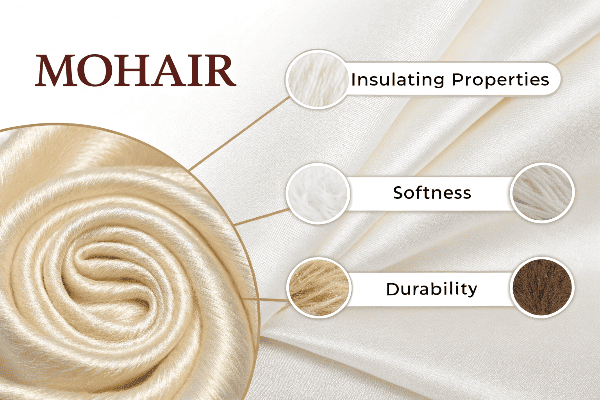
You’ve probably seen mohair sweaters priced higher than others—or felt their light, fuzzy texture. But what makes mohair so special? Why is it used in luxury clothing and praised by designers?
Mohair is special for its silky texture, natural sheen, durability, and excellent insulating properties. Made from the hair of the Angora goat, it’s lightweight yet warm, wrinkle-resistant, and long-lasting—making it a premium fiber in fashion and textiles.[^1]
The first time I wore a mohair-blend cardigan, I expected it to feel heavy or itchy. Instead, it was airy, soft, and surprisingly breathable. It kept me warm without overheating—and I finally understood why it’s often called “the diamond fiber.”
Table of Contents
- What is mohair made from?
- What are the key benefits of mohair?
- Is mohair durable?
- Are there downsides to mohair?
- Conclusion
What is mohair made from?
It comes from a very specific kind of goat.
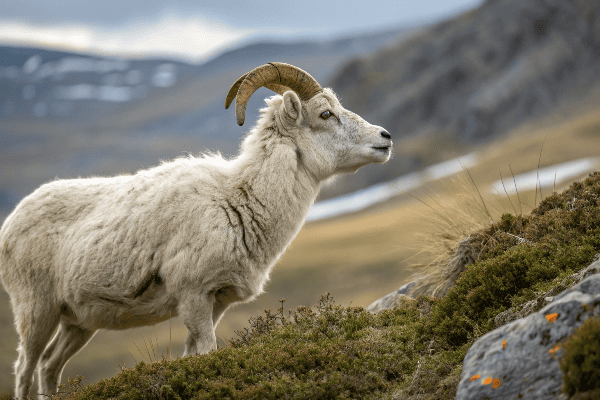
Mohair is a natural fiber obtained from the Angora goat—not to be confused with Angora wool, which comes from Angora rabbits. These goats produce long, lustrous fibers ideal for spinning into soft, durable yarns.[^2]
Mohair basics
| Origin Animal | Angora Goat |
|---|---|
| Main Producers | South Africa, U.S., Turkey |
| Shearing Frequency | Twice a year |
| Fiber Diameter | 25–45 microns (varies by age) |
| Common Uses | Sweaters, scarves, suits, upholstery |
Young goats produce finer, softer mohair—called “kid mohair”—which is highly prized in luxury garments.
What are the key benefits of mohair?
It's not just soft—it's functional.
Mohair is known for its strength, resilience, breathability, and natural luster. Unlike many wools, it doesn’t itch as much and holds dye beautifully.[^3]
Mohair’s unique qualities
| Property | Why It Matters |
|---|---|
| Shine & Luster | Gives garments a natural glow |
| Softness | Softer than wool, especially kid mohair |
| Warmth-to-weight | Warmer than wool without bulk |
| Wrinkle Resistance | Holds shape, ideal for travelwear |
| Dye Absorption | Produces vibrant, rich colors |
These traits make mohair suitable for both fashion and interior textiles.
Explore some luxury mohair pieces on Net-a-Porter to see how top designers use the fiber.
Is mohair durable?
Yes—and surprisingly strong.
Mohair fibers are stronger than most wools, making garments long-lasting and less prone to pilling or sagging.[^4]
Mohair vs. wool durability
| Feature | Mohair | Regular Wool |
|---|---|---|
| Fiber Strength | High (elastic & resilient) | Moderate |
| Pilling Resistance | Excellent | Varies by wool type |
| Aging | Holds shape over time | May stretch or shrink |
This durability makes mohair popular for luxury suits, coats, and heirloom knitwear.
Are there downsides to mohair?
Just a few—mostly about cost and care.
Mohair is more expensive than most natural fibers and may require gentle washing or dry cleaning. Lower-grade mohair can also feel itchy.[^5]
What to watch out for
- 💰 Price: Mohair is often blended with other fibers to lower cost
- 🧶 Itch factor: Coarser mohair from older goats may irritate skin
- 🧼 Care: Many garments need dry cleaning or careful hand washing
Looking for an alternative? Some eco-certified mohair options offer traceability and better animal welfare.
Conclusion
Mohair stands out for its shine, softness, warmth, and durability. It’s a luxury fiber with high performance—light on your body, but heavy on benefits.
[^1]: Mohair South Africa – What makes mohair unique
[^2]: Woolmark Company Guide – Mohair fiber guide
[^3]: The Fabric of Our Lives: Mohair vs. Wool
[^4]: MasterClass - Mohair Explained
[^5]: Textile Exchange – Responsible Mohair Standard