
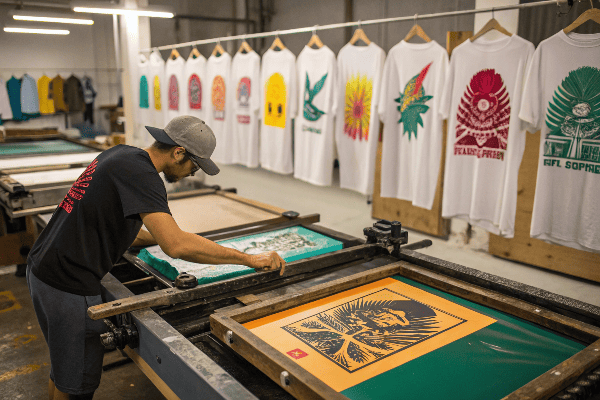
When people consider customizing T-shirts, screen printing is often the first method that comes to mind. Many wonder why it’s so popular and if it’s truly the best option for all custom designs.
Screen printing is considered the best method for custom T-shirts because it offers vibrant colors, durability, cost-effectiveness for bulk orders, and a variety of fabric compatibility. These advantages make it ideal for large runs and designs that need to stand the test of time.
I’ve seen customers choose screen printing for their shirts, only to be amazed by how well the prints hold up after dozens of washes. I personally swear by it for long-lasting, high-quality prints.
Table of contents
- What makes screen printing superior to other printing methods?
- How does screen printing achieve such vibrant colors?
- What makes screen printing cost-effective for bulk orders?
- Can screen printing be used on any fabric?
- Why does screen printing last longer than other methods?
- Conclusion
What makes screen printing superior to other printing methods?
Screen printing has been the gold standard for custom T-shirts for decades. It’s highly trusted for its ability to create bold, long-lasting designs.
The key advantage of screen printing is its ability to deliver vibrant and sharp colors with excellent durability. Unlike methods such as heat transfer or vinyl printing, screen prints don’t peel, fade, or crack over time.
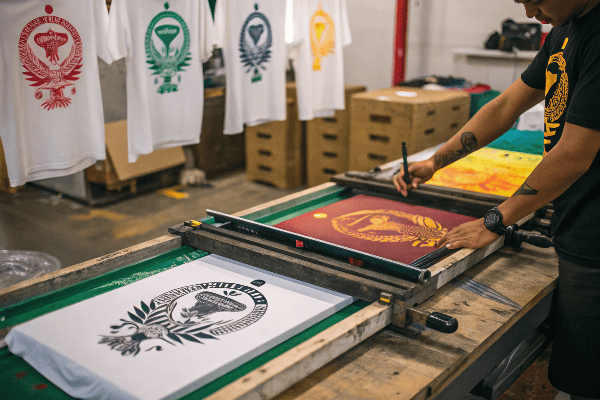
For a more detailed explanation of how screen printing compares to other methods, you can check out the Screen Printing vs Heat Transfer article on Printful.
How does screen printing work?
Screen printing uses a mesh screen to transfer ink onto the fabric. Each color requires a separate screen, allowing the ink to be applied layer by layer. This process creates deep, rich colors that other methods can’t replicate.
Why I recommend screen printing
I’ve worked with several printing methods, but nothing beats screen printing when it comes to vibrant, bold prints that can withstand repeated washing. It’s also cost-effective for bulk orders.
One of my clients once ordered shirts using heat transfer. After just a few washes, the design started peeling off. This is a common issue with heat transfer. Screen printing, on the other hand, remains intact even after years of use.
How does screen printing achieve such vibrant colors?
The key to vibrant colors lies in the way the ink is applied.
Screen printing uses thicker ink layers compared to other methods like digital printing, which creates more vivid and long-lasting colors. The ink bonds with the fabric fibers, producing a rich finish.
Benefits of vibrant colors in screen printing
- More vibrant prints: The thicker ink layers provide a more eye-catching finish.
- Greater opacity: Even on dark fabrics, screen printing maintains color brightness.
For more about how screen printing creates vibrant designs, see this guide on ink types and their effects.
Why thicker ink works
The thicker layers of ink used in screen printing prevent the color from getting absorbed into the fabric too quickly. This leads to a bolder, more noticeable design.
What makes screen printing cost-effective for bulk orders?
The real magic of screen printing is how cost-effective it is for large orders.
Screen printing becomes highly cost-effective when producing large quantities of custom T-shirts because the setup costs are spread across many pieces. Once the screen is prepared, the process becomes faster and cheaper per item.
Why bulk orders work well with screen printing
- Low cost per unit: Once the screens are set up, printing multiple T-shirts becomes inexpensive.
- Faster production: The process can print large quantities in a short time, making it ideal for big orders.
For an example of how bulk printing reduces costs, check out this article on economies of scale in printing.
Economies of scale
For example, when a client orders 500 shirts, the cost per shirt can drop drastically after the setup is done. That’s why screen printing is the go-to for large-scale orders and brands looking to scale quickly.
Can screen printing be used on any fabric?
Screen printing is versatile and works well on many fabric types.
It’s perfect for cotton, cotton blends, and polyester fabrics, making it suitable for a wide range of custom T-shirts. This flexibility allows you to create designs for different types of garments.
Best fabrics for screen printing
- Cotton: Absorbs ink well and provides a smooth, soft feel.
- Polyester: Works well for athletic wear and outdoor apparel.
- Blends: Cotton-poly blends combine the best of both worlds.
For tips on fabric selection and preparation, see this guide on fabric types for printing.
Fabric preparation
Screen printing requires fabric to be pre-treated to ensure ink adheres properly. The fabric is usually pre-washed to remove any impurities that could affect the print quality.
Why does screen printing last longer than other methods?
One of the top reasons screen printing is preferred is its durability.
The prints created by screen printing can last for years, even with regular washing. Unlike vinyl or heat transfer prints that can crack, peel, or fade, screen prints stay strong over time.
Durability factors in screen printing
- Strong bond with fabric fibers: The ink forms a bond with the fabric that resists cracking and fading.
- Better resistance to wear and tear: Screen prints are much harder to damage compared to other methods.
For more on how screen printing ensures longevity, check out this article on print durability.
How ink bonding works
The ink used in screen printing penetrates deep into the fibers of the fabric, creating a durable bond. This bond ensures that the print doesn’t peel off easily, even under heavy use.
Conclusion
Screen printing is the best method for custom T-shirts because it offers vibrant, durable prints at a cost-effective price, especially for bulk orders. It is versatile, long-lasting, and provides superior quality, making it a great choice for any custom design.