
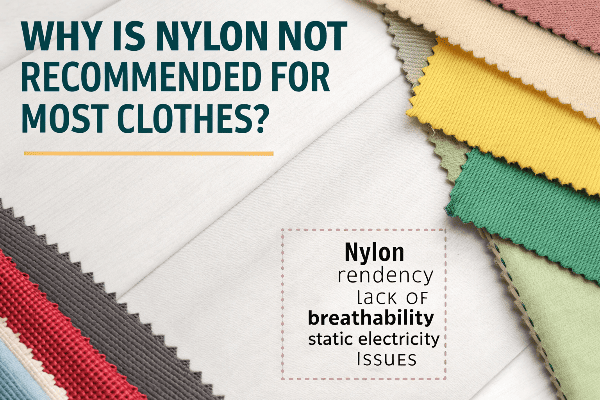
Nylon shows up in everything from workout shorts to windbreakers. But when it comes to daily wear, many experts and eco-conscious consumers tend to avoid it. Why?
Nylon is not recommended for most clothes because it traps heat, lacks breathability, can cause skin irritation, holds odor, and has a high environmental impact. It’s great for performance wear but not ideal for everyday comfort.
I’ve worked with clothing brands that tried using nylon in casualwear—and it often led to customer complaints about stickiness, smell, and overheating. Nylon has its place, but not in every outfit.
Table of Contents
- What makes nylon uncomfortable for daily wear?
- Why is nylon better for activewear but not casual clothing?
- Is nylon bad for your skin?
- How does nylon impact the environment?
- Conclusion
What makes nylon uncomfortable for daily wear?
At first touch, nylon feels smooth—but wear it all day, and the issues show up fast.
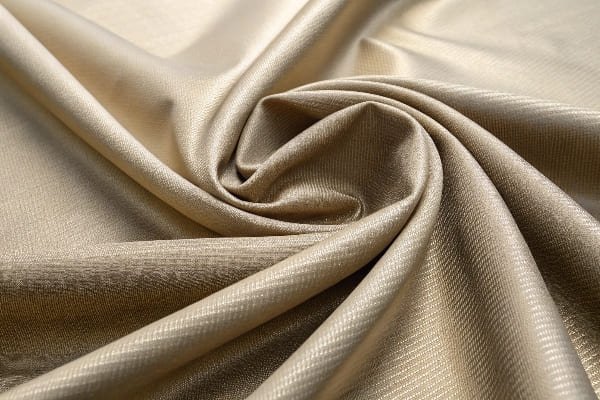
Nylon is a synthetic, non-breathable fabric that traps sweat and heat against the skin. It’s not ideal for warm weather, casual wear, or sensitive skin.
Daily wear drawbacks
| Issue | Nylon Effect |
|---|---|
| Breathability | Poor—traps heat and sweat |
| Odor retention | High—holds smells without ventilation |
| Skin feel | Can cause chafing or irritation |
| Static build-up | More likely in dry climates |
| Absorption | Repels moisture—leaves sweat on skin |
While nylon dries quickly, it doesn’t absorb moisture—making it feel sticky during intense movement or heat[^1].
Why is nylon better for activewear but not casual clothing?
Nylon is engineered for function, not comfort.
Nylon works well in activewear because it’s lightweight, stretchy, and durable—but these same features don’t always translate to comfort or breathability in casual or office clothing.
For example, the Lululemon Fast and Free tights use nylon blends for performance, but rarely for everyday tops or shirts.
Use-case comparison
| Use Case | Nylon Suitability |
|---|---|
| Running shorts | ✅ Excellent |
| Yoga leggings | ✅ With spandex blend |
| Everyday t-shirt | ❌ Too sweaty |
| Button-up shirt | ❌ Feels plastic |
| Lounge pants | ❌ Not breathable |
Even in athletic wear, nylon is usually blended with spandex or polyester to improve stretch and reduce odor retention[^2].
Is nylon bad for your skin?
It depends on the individual—but it’s not ideal for sensitive types.
Nylon can cause chafing, allergic reactions, or clogged pores—especially in humid climates or when worn tight against the skin.
According to Healthline, synthetic fibers like nylon may irritate those with eczema or sensitive skin conditions.
Skin irritation risk factors
- Synthetic dyes used in nylon may cause irritation
- Non-breathability can trap sweat and bacteria
- Rubbing and friction can lead to redness or rashes
For underwear, base layers, or warm climates, breathable fabrics like cotton or bamboo are much better choices.
How does nylon impact the environment?
Beyond comfort, nylon also raises concerns for sustainability.
Nylon is petroleum-based, non-biodegradable, and energy-intensive to produce. It also releases microplastics when washed—contributing to ocean pollution.
According to the Plastic Soup Foundation, nylon fibers shed more microplastics than polyester during washing cycles.
Environmental downsides
| Concern | Nylon Impact |
|---|---|
| Carbon footprint | High (energy-intensive process) |
| Microplastic shedding | Yes, especially from washing |
| Biodegradability | No—persists for decades |
| Water use | Moderate, but high chemical use |
Some brands now offer recycled nylon like ECONYL®, which is made from ocean and landfill waste and helps reduce environmental damage[^3].
Conclusion
Nylon is great for performance apparel but not ideal for most everyday clothing. Its low breathability, odor retention, potential for skin irritation, and environmental impact make it less suitable for casual wear. Choose natural or blended fabrics for better comfort and skin health.
[^1]: Nylon is hydrophobic—it repels moisture rather than absorbing it, leading to trapped sweat against the skin.
[^2]: Even in high-performance brands like Nike or Adidas, nylon is rarely used alone—blends with polyester or elastane improve function and wearability.
[^3]: ECONYL® is a regenerated nylon made from fishing nets and industrial plastic waste, used by sustainable brands like Stella McCartney and Patagonia.