
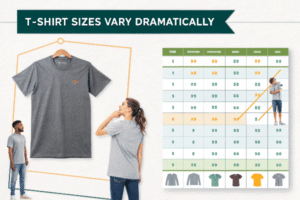
Ever bought a T-shirt in your usual size—only to find it’s too tight, too short, or way too loose? You're not alone. T-shirt sizing is notoriously inconsistent, and it’s not just your imagination.
T-shirt sizes vary dramatically due to differences in brand sizing charts, fabric shrinkage, fit styles, manufacturing regions, and lack of global standards. One brand’s medium can be another brand’s large.
As a clothing manufacturer, I constantly explain to clients why size specs matter—and why relying on generic labels like S/M/L is risky without proper measurements.
Table of Contents
- How do brand size charts cause confusion?
- What role does fit style play in size perception?
- Why does fabric affect sizing?
- How do manufacturing origins affect sizing?
- Conclusion
- Footnotes
How do brand size charts cause confusion?
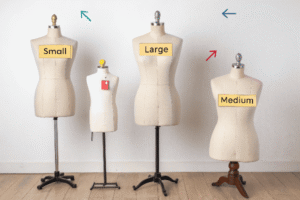
There’s no global standard for what “medium” means.
Each brand creates its own size chart based on its target market, regional norms, and intended fit. This leads to major discrepancies across brands and even between product lines.
Size chart comparison by brand
| Brand | Chest Width for Medium (inches) | Fit Type |
|---|---|---|
| Uniqlo | 20.0" | Slim Fit |
| Gildan | 21.0" | Classic Fit |
| Nike | 21.5" | Athletic Fit |
| American Apparel | 20.5" | Fitted |
That’s a difference of over 1.5" across “medium” shirts—enough to change the whole feel and drape of the garment[^1].
What role does fit style play in size perception?
Not all mediums are created equal.
Fit styles like slim, classic, relaxed, and oversized dramatically impact how a size feels—even with the same measurements.
Common fit styles and how they wear
| Fit Style | Features | Who It's For |
|---|---|---|
| Slim Fit | Tapered waist, snug chest | Athletic builds, modern styling |
| Classic Fit | Balanced proportions | General public, timeless look |
| Relaxed Fit | Wider in body and sleeves | Comfort-focused wearers |
| Oversized Fit | Deliberately loose and roomy | Streetwear, layering styles |
Understanding the fit is just as important as knowing the size.
Why does fabric affect sizing?
Some materials shrink or stretch over time.
Cotton T-shirts tend to shrink slightly after the first few washes, while blended fabrics (cotton/polyester) hold their shape better.
Fabric impact on sizing accuracy
| Fabric Type | Shrinkage Risk | Notes |
|---|---|---|
| 100% Cotton | High | Pre-shrunk options reduce risk[^2] |
| Cotton/Poly Blend | Low | Holds shape better, less shrinkage |
| Rayon or Modal | Medium | Soft feel but can stretch or shrink |
Many sizing complaints come after washing—because people don’t realize fabric behavior plays a role.
How do manufacturing origins affect sizing?
Regional sizing standards vary worldwide.
Shirts manufactured in different countries follow local sizing norms, which can differ based on average body proportions and target demographics.
Regional size expectations
| Region | Typical Size Behavior |
|---|---|
| Asia | Sizes run smaller |
| North America | Sizes run larger |
| Europe | Slightly slimmer cuts, tailored fits |
Even brands sourcing globally can experience batch-to-batch size variation depending on the factory[^3].
Conclusion
T-shirt sizes vary for many reasons—brand charts, fit types, fabric shrinkage, and regional manufacturing differences all play a part. To get the best fit, always check the actual measurements and fit style—not just the size label.
Footnotes
[^1]: The lack of international sizing standards is discussed in detail by the Textile Exchange and ISO 8559, which attempts to set body measurement guides but has not been widely adopted in fashion.
[^2]: Pre-shrunk cotton is treated to resist shrinkage. Learn more from the Cotton Incorporated Fabric Guide.
[^3]: Garment sizing can also be influenced by local supplier tolerances. See this Fashion Manufacturing Size Tolerance Chart for more info.