
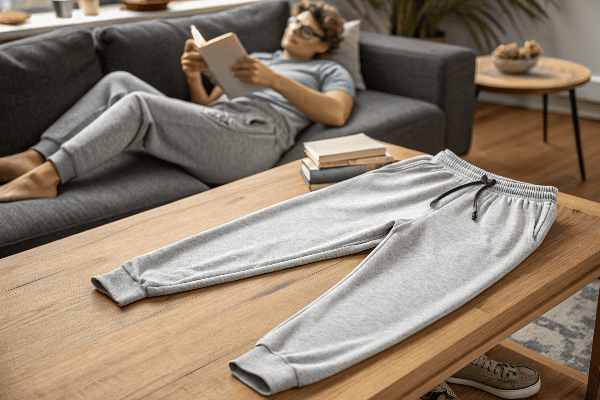
Once seen only in gyms or at home, sweatpants are now worn at coffee shops, on planes, and even on fashion runways. So, what caused this massive shift?
Sweatpants became popular due to their comfort, versatility, and evolving design. With the rise of athleisure and remote work, people now prioritize comfort without sacrificing style. Modern joggers and tailored fits helped them break out of loungewear status.
I’ve watched sweatpants evolve firsthand in our production line—from fleece-heavy basics to stylish, tapered fits with logo placement for branding appeal.
Table of Contents
- What caused sweatpants to become a fashion item?
- How did remote work boost their popularity?
- Why do Gen Z and millennials love sweatpants?
- What makes modern sweatpants different?
- Conclusion
What caused sweatpants to become a fashion item?
They were once just for lounging, but that changed fast.
The fashion industry embraced athleisure—blending athletic wear with everyday style. Sweatpants transformed from gym clothes into fashion staples with updated fits and fabrics.
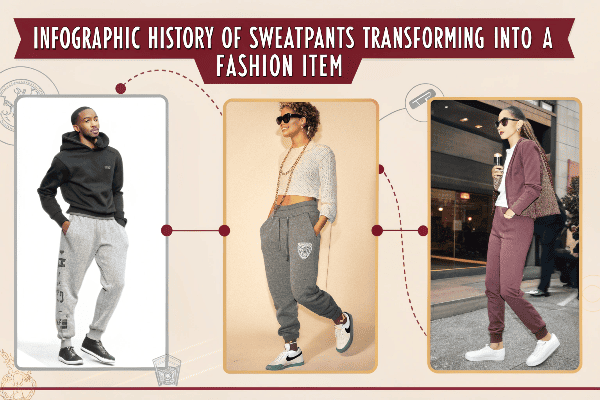
The rise of sweatpants in fashion
| Year | Trend Milestone |
|---|---|
| 2010–2015 | Athleisure becomes a buzzword[^1] |
| 2016–2019 | Streetwear brands launch premium joggers |
| 2020 | Pandemic shifts global dress codes[^2] |
| 2021–2024 | Fashion runways include relaxed bottoms[^3] |
Brands like Fear of God Essentials, Nike Tech Fleece, and Adidas Originals helped elevate sweatpants into luxury streetwear.
How did remote work boost their popularity?
Working from home changed the dress code—permanently.
During COVID-19 lockdowns, people prioritized comfort. Sweatpants became the new work uniform, and that habit stuck even after restrictions eased.
Comfort became a lifestyle
- No waistbands, no stiff denim
- Easy to style with hoodies or plain T-shirts
- Suitable for errands, Zoom meetings, or lounging
According to Harvard Business Review, clothing comfort affects productivity and mood—boosting demand for soft, relaxed fits like sweatpants.
Why do Gen Z and millennials love sweatpants?
It’s more than comfort—it’s a statement.
Sweatpants fit into Gen Z’s rejection of rigid dress codes. Loose silhouettes, relaxed fits, and normcore fashion make sweatpants the go-to item for expression without trying too hard.
They blend seamlessly with gender-fluid fashion and TikTok-influenced aesthetics like gorpcore, clean fit, and Y2K.
What makes modern sweatpants different?
Today’s joggers aren’t what your dad wore in the ‘90s.
Modern sweatpants feature tapered legs, high-quality fabrics like French terry or modal blends, and stylish details like zippers, logo embroidery, or contrast panels.
Key features of premium sweatpants
| Feature | Why It Matters |
|---|---|
| Tapered ankle cuff | Looks polished, not sloppy |
| Brushed fleece | Feels soft, holds shape |
| Adjustable waistband | Comfort with structure |
| Custom branding | Logos, patches, embroidery options |
We help brands develop these upgraded joggers as part of their athleisure or capsule collections.
Conclusion
Sweatpants became popular because they evolved—offering comfort, style, and cultural relevance all in one. Whether you call them joggers or tracksuit bottoms, their rise from couchwear to streetwear proves that function and fashion can coexist.
[^1]: For more on the origin of athleisure, see The Rise of Athleisure by The Wall Street Journal.
[^2]: The pandemic sparked a 49% increase in loungewear sales, according to McKinsey’s 2021 Fashion Report.
[^3]: Major fashion shows like Paris Fashion Week included joggers and sweatpants in high-end collections, noted by Vogue UK.