
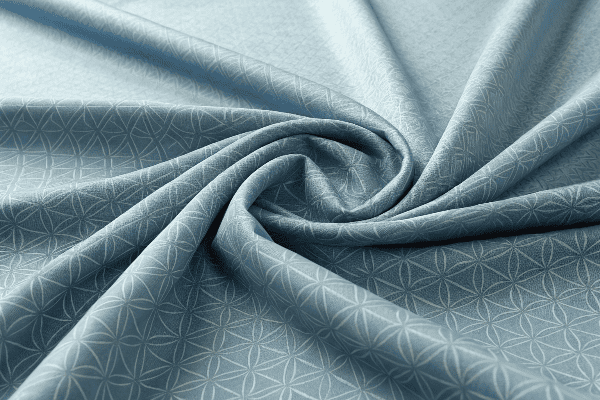
If you’ve ever worn yoga leggings or compression tops that feel like a second skin, chances are you’ve experienced seamless fabric. But what exactly does "seamless fabric" mean—and which fabrics can be used to create seamless garments?
Seamless garments are not made from a specific fabric, but from circular-knit fabrics like nylon, polyester, and spandex blends that are compatible with seamless knitting machines. These materials stretch well and retain shape.
The first time I visited a seamless production line, I expected to see bolts of fabric. Instead, I saw yarns being knit directly into tubes. That’s when I realized—seamless is more about the knitting method than the fabric itself.
Table of Contents
- Is there such a thing as seamless fabric?
- What are the best fibers for seamless garments?
- Are there any natural fibers used in seamless garments?
- Conclusion
Is there such a thing as seamless fabric?
Not exactly. Seamless refers to how the garment is made, not the fabric type.
Seamless garments are knit as one piece using yarn, typically from synthetic fibers like nylon, polyester, and elastane. The fabric is formed during the knitting process itself.
How is seamless fabric created?
Seamless knitting machines (like Santoni[^1] or Sangiacomo) take yarn cones and knit them into tubular shapes without side seams. This process is different from traditional fabric rolls.
| Feature | Seamless Fabric Details |
|---|---|
| Input | Yarn (not pre-knit fabric rolls) |
| Common Fibers | Nylon, polyester, spandex, polyamide |
| Result | Stretchy, breathable, tubular fabric structure |
| Machine Used | Circular knitting machines |
So, seamless "fabric" is actually fabric created during the knitting of the garment.
What are the best fibers for seamless garments?
Certain fibers work better in seamless knitting because they offer elasticity, durability, and comfort.
The best fibers for seamless garments are nylon (polyamide), polyester, and elastane (spandex). These create smooth, stretchable, and moisture-wicking fabrics.
Why are these fibers ideal for seamless?
These fibers are synthetic, which makes them strong, easy to dye, and suitable for circular knitting machines.
| Fiber | Benefits for Seamless Wear |
|---|---|
| Nylon | Soft, smooth, durable, moisture-wicking |
| Polyester | Cost-effective, wrinkle-resistant, easy to care for |
| Spandex | High stretch and recovery, enhances comfort and mobility |
Most seamless garments use a blend—like 90% nylon + 10% spandex[^2]—to balance comfort and performance.
Are there any natural fibers used in seamless garments?
Natural fibers are rarely used in seamless production.
Due to limitations in stretch, yarn strength, and moisture control, cotton and other natural fibers are not ideal for seamless knitting.
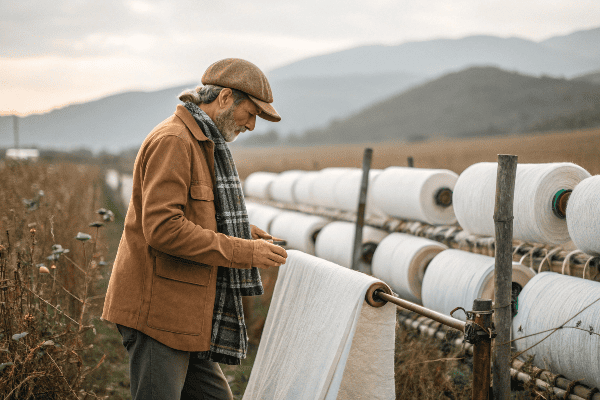
Can seamless be sustainable?
While synthetic, seamless garments can still support sustainability goals by:
- Reducing fabric waste (no cutting scraps)
- Using recycled polyester (rPET)[^3]
- Enhancing durability, which means longer-lasting garments
Some brands are experimenting with biodegradable synthetic yarns or combining recycled polyamide with elastane for sustainable seamless lines.
Conclusion
Seamless clothing isn’t about a specific fabric—it’s about using stretchy yarns like nylon, polyester, and spandex in circular knitting machines to create garments without seams. If comfort, performance, and a clean fit are your priority, seamless garments made from these fibers are the ideal choice.
[^1]: Santoni seamless machine manufacturer: https://www.santoni.com/en/products/seamless
[^2]: Typical blend example for seamless leggings: 90% nylon / 10% spandex
[^3]: More on sustainable recycled yarns: https://textileexchange.org