
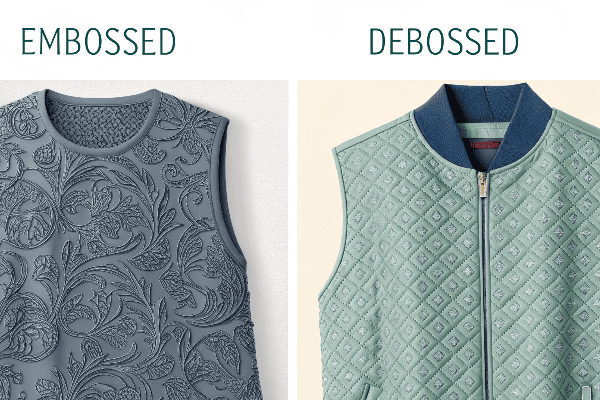
I often meet brand owners who want a 3D logo effect on their clothes. They hear “embossed” and “debossed” but are not sure about the difference.
Embossed clothing has a design that is raised above the fabric surface, while debossed clothing has a design pressed into the fabric. Embossing pops out. Debossing sinks in. Both are made using heat, pressure, and a custom mold.
I still remember one client who ordered embossed hoodies but told the factory “make it pressed in.” They actually wanted debossing. This small misunderstanding cost them a season.
Table of Contents
- What is embossing in clothing?
- What is debossing in clothing?
- How are embossing and debossing done?
- What are the key differences?
- When should a brand use embossing or debossing?
- What fabrics work best for these techniques?
- Conclusion
What is embossing in clothing?
Embossing adds a raised effect.
Embossed clothing has designs that rise above the fabric surface. A heated mold pushes the design upward, creating a clean, smooth, 3D effect.
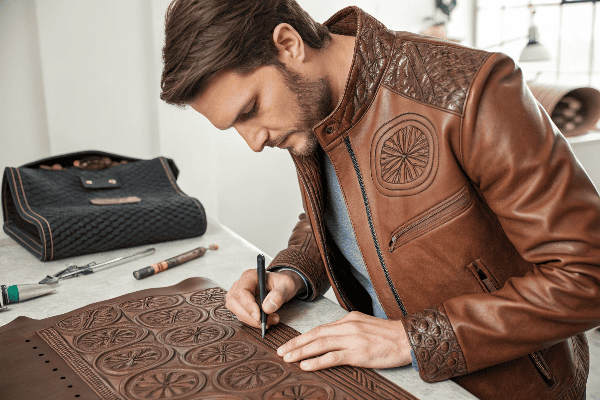
How embossing changes a garment
- The logo stands out without ink or thread
- It feels like a soft bump when you run your hand over it
- Looks premium and modern
I made embossed hoodies for a streetwear label. Their logo became the hero of the whole collection. They wanted a bold, visible texture.
What is debossing in clothing?
Debossing does the opposite of embossing.
Debossed clothing has designs pressed down into the fabric. A heated mold pushes the fabric inward, creating a recessed look.
Why some brands prefer debossing
- Creates a sunken effect
- Feels subtle and understated
- Works well for brands that want quiet luxury
I worked with a yoga brand that chose debossing for joggers. The small logo near the pocket was soft and elegant.
How are embossing and debossing done?
The process for both techniques is almost the same.
Both embossing and debossing use heat, pressure, and a custom metal mold. The only difference is whether the design is raised (embossed) or pressed in (debossed).
Steps
- Make a mold with the design.
- Heat the mold.
- Press it onto the fabric with high pressure.
- Hold and cool.
The result stays on the fabric even after washing.
For more on this technique, see embossing vs debossing guide in apparel manufacturing.
What are the key differences?
Even though they use the same tools, the results look and feel different.
Embossing = raised. Debossing = recessed.
| Feature | Embossed (Raised) | Debossed (Recessed) |
|---|---|---|
| Direction | Logo rises above fabric | Logo sinks into fabric |
| Look | Bold, stands out | Subtle, elegant |
| Touch | You feel a soft bump | You feel a smooth dent |
| Style | Modern and striking | Quiet and minimal |
When should a brand use embossing or debossing?
Each method has its own best use.
Use embossing when you want a logo that pops and catches the eye. Use debossing when you want a luxury, quiet effect.
Practical examples
- Embossing:
- Big chest logo on hoodies
- Geometric pattern across a sweatshirt
- Large brand mark for streetwear
- Debossing:
- Small logo near jogger pocket
- Subtle panel branding for premium brands
- Minimal marks for luxury tracksuits
Samples are the best way to decide. Brands usually select based on their personality and target audience.
What fabrics work best for these techniques?
Not every fabric works.
Embossing and debossing work best on medium to heavy fabrics because they hold the shape of the design. Thin fabrics cannot keep the 3D effect.
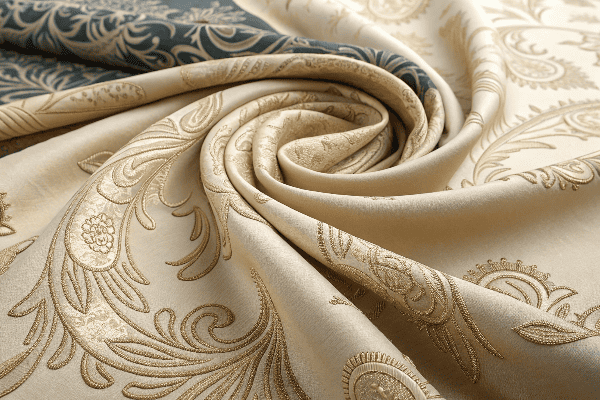
Good fabric choices
- Cotton fleece hoodies
- Heavy T-shirts
- Joggers and sweatpants
- Thick blended knits
Avoid thin jersey fabrics. The design will fade after a few washes.
For sustainable options, read about eco-friendly fabric innovations.
Conclusion
Embossing makes designs rise above the surface. Debossing pushes designs into the fabric. Both are made with heat and pressure. The choice depends on whether your brand wants bold impact or subtle elegance.