
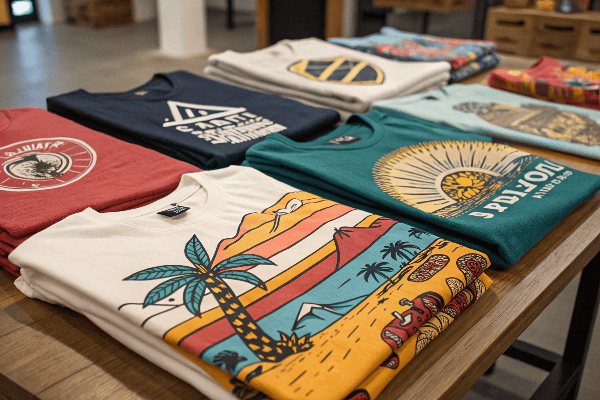
Ordering custom T-shirts can seem simple. But for a new brand, the details can feel overwhelming. The right choices help you avoid costly mistakes and make sure your shirts match your vision.
Before ordering custom T-shirts, you need to understand fabric types, fit, printing methods, minimum order quantities, and how to choose a reliable manufacturer.
I still remember my first order. I thought a T-shirt was just a T-shirt. Only later did I learn how much fabric weight, print type, and sizing affect the final result.
Table of Contents
- Why does fabric matter so much for custom T-shirts?
- What fit and style should you choose?
- Which printing methods should you consider?
- What is MOQ and why is it important?
- How do you choose the right manufacturer?
- Why is planning so important?
- Conclusion
Why does fabric matter so much for custom T-shirts?
Fabric decides how your T-shirt feels, lasts, and looks. It is the first thing your customer notices.
Choosing the right fabric gives your T-shirts a better fit, better print results, and a higher perceived value.
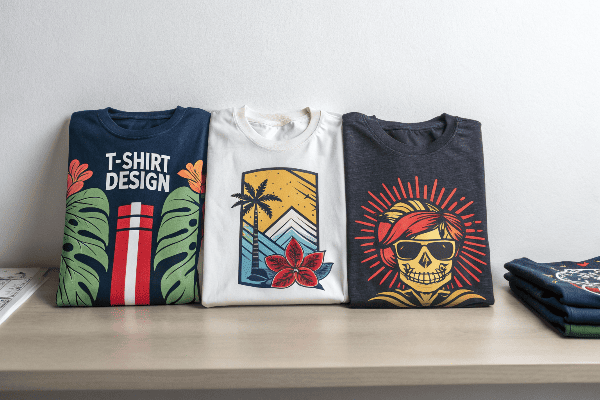
Common fabric options
100% Cotton
Soft and breathable. Best for classic streetwear and printing.
Cotton/Polyester Blend
Cheaper and wrinkle-resistant. Good for sportswear or casual brands[^1].
Organic Cotton
Eco-friendly and premium. Ideal for brands that focus on sustainability.
See more about eco-friendly options on Textile Exchange.
Fabric weight
160–180 GSM is light, while 200–240 GSM gives a heavier, premium feel.
What fit and style should you choose?
The fit defines your brand’s look. Slim fit, oversized, and boxy cuts all appeal to different audiences.
Choose a fit that matches your brand identity: oversized for streetwear, classic for casual brands, and slim for a modern look.
Popular styles
- Crew neck: A standard, timeless option
- V-neck: A bit more stylish, common for lifestyle brands
- Oversized: Relaxed fit, popular for streetwear drops
- Crop T-shirts: Fashion-forward, trendy among young buyers
You can explore different blank styles from S&S Activewear.
Which printing methods should you consider?
The print method you choose affects cost, color, and durability.
Screen printing, DTG, heat transfer, and embroidery are the main ways to customize T-shirts.
Quick comparison
| Method | Best For |
|---|---|
| Screen printing | Bulk orders, bold designs |
| DTG (digital) | Detailed small-batch prints |
| Heat transfer | Small orders, multi-color art |
| Embroidery | Premium logos, textured style |
For a detailed breakdown, check Printful’s printing guide.
What is MOQ and why is it important?
MOQ means Minimum Order Quantity. Every manufacturer sets a minimum number of pieces for production.
Knowing the MOQ helps you plan costs and choose the right factory for your brand’s size.
MOQ tips
- Small brands can look for 50–100 pcs MOQs
- Larger factories often start at 200–500 pcs per design
- Order samples first to avoid big mistakes
How do you choose the right manufacturer?
The manufacturer you pick decides if your project is smooth or full of stress.
Choose a manufacturer with experience, clear communication, and strong quality control.
What to check
- Samples: Always ask for samples before bulk orders
- Communication: Quick and clear replies save time
- Experience: Factories with export experience know how to meet quality standards
If you need one, see Dec Garment custom T-shirt manufacturing.
Why is planning so important?
Poor planning can ruin a great idea. Printing delays, wrong sizes, and bad fabrics often come from rushing.
Plan your design, budget, and timeline before you order custom T-shirts to avoid last-minute surprises.
Planning steps
- Finalize your design files
- Confirm sizing and fit with samples
- Approve fabrics and printing methods
- Allow time for production and shipping
Conclusion
Before ordering custom T-shirts, focus on fabric, fit, printing methods, MOQ, and choosing the right manufacturer. Careful planning will help you get a final product that matches your brand vision.
[^1]: Blended fabrics are a cost-efficient way to balance durability and comfort. Read more about fabric options on Textile Exchange.