
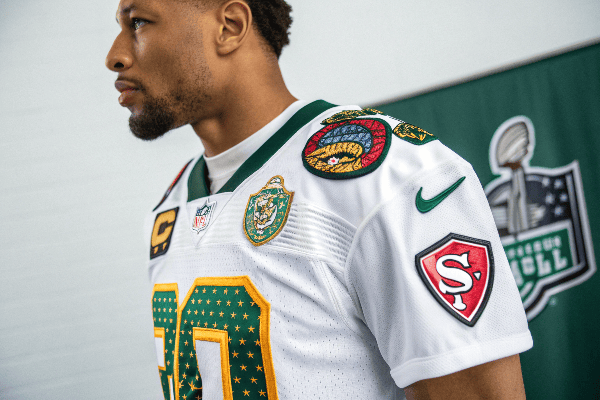
Jersey is one of the most widely used fabrics in modern fashion—from basic T-shirts to high-performance sportswear. But what sets it apart from other textiles?
Jersey is unique for its stretchy knit construction, smooth surface, breathability, and natural drape. It adapts well to the body, making it ideal for comfort-focused clothing like T-shirts, leggings, and loungewear.
In our factory, we work with jersey every day—from combed cotton jersey to polyester blends. Its performance and feel are why so many brands request it repeatedly.
Table of Contents
- What makes jersey different from woven fabrics?
- What types of jersey fabrics are there?
- What does jersey feel like?
- Why do brands love jersey?
- Conclusion
What makes jersey different from woven fabrics?
Jersey is a knit, not a weave.
Unlike woven fabrics that have a grid-like structure, jersey fabric is created through looping yarns together. This gives it a natural stretch and softer feel, even without added spandex.
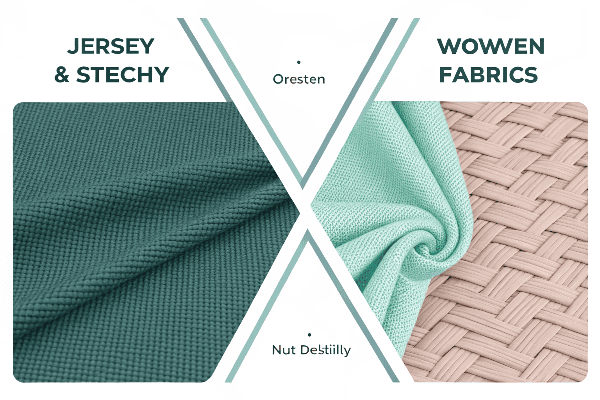
Knit vs Woven
| Feature | Jersey (Knit) | Woven Fabric |
|---|---|---|
| Structure | Looped yarns | Interlaced yarns |
| Stretch | Naturally stretchy | Limited stretch unless blended |
| Comfort | Soft and flexible | Crisp and structured |
| Wrinkle Resistance | Resists wrinkles | Wrinkles more easily |
| Use Case | Casualwear, activewear | Shirts, suits, formalwear |
What types of jersey fabrics are there?
There’s more than just one type of jersey.
Jersey comes in many variations—single jersey, double jersey, interlock, and ribbed. Each has different thicknesses, textures, and use cases.
Common types of jersey fabric
| Type | Characteristics | Best For |
|---|---|---|
| Single Jersey | Lightweight, smooth one side | T-shirts, basic tops |
| Double Jersey | Heavier, smooth on both sides | Dresses, cardigans |
| Interlock | Thick, strong, slightly less stretchy | Babywear, leggings |
| Ribbed Jersey | Ridges, extra stretch, great recovery | Collars, cuffs, activewear |
What does jersey feel like?
Jersey feels soft, stretchy, and breathable.
Its smooth surface and flexible texture make it comfortable against the skin. It also drapes nicely and doesn’t cling awkwardly unless it's too thin or tight-fitting.
Sensory profile of jersey
- Softness: Jersey is smoother than pique and poplin
- Breathability: Allows air to pass through, ideal for hot weather
- Stretch: Naturally stretches in all directions
- Recovery: Bounces back well, especially with elastane
Why do brands love jersey?
Because it’s easy to work with—for both wearers and manufacturers.
Jersey is cost-effective, versatile, and works across many product categories. It also takes printing and dyeing well, which is ideal for customization.
Business advantages of jersey
| Advantage | Benefit for Brands |
|---|---|
| Easy to sew | Faster production time |
| Takes print well | Great for logos and graphics |
| Works with blends | Customizable stretch, softness, weight |
| High wearability | Satisfies consumer demand |
Conclusion
Jersey fabric is unique for its softness, natural stretch, and adaptability across styles. From basic tees to premium activewear, its versatility and comfort make it a staple in every apparel collection.
[^1]: Wise Geek. "Difference Between Woven and Knit Fabrics." https://www.wise-geek.com/what-is-the-difference-between-woven-and-knit-fabric.htm
[^2]: Contrado. "What Is Jersey Fabric?" https://www.contrado.com/blog/what-is-jersey-fabric/
[^3]: Tasc Performance. "Jersey Knit Fabric Guide." https://tascperformance.com/blogs/tasc-life/jersey-knit-fabric-guide
[^4]: Fibre2Fashion. "Jersey Fabric – Features and Applications." https://www.fibre2fashion.com/industry-article/7726/jersey-fabric-features-and-applications