
What Is the Most Breathable Fabric for Summer?
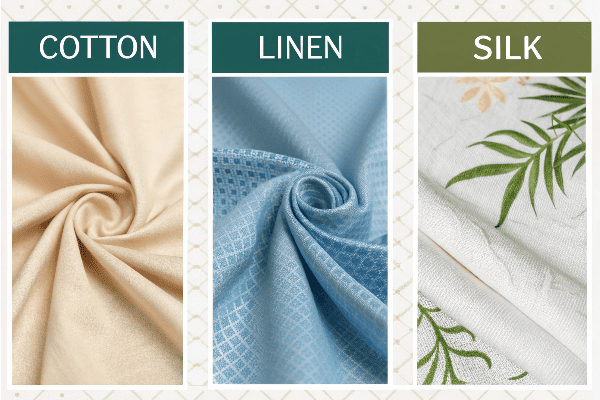
You’re sweating through your shirt just five minutes outside. The sun is relentless, and your clothes feel like a sauna. So what’s the most breathable fabric to help you stay cool all summer?
The most breathable fabric for summer is 100% cotton, followed closely by linen and bamboo. These natural fibers allow air to circulate, wick moisture, and dry quickly—keeping your skin cooler and more comfortable.
I’ve tested dozens of fabrics for our summer clothing lines. From production floors to streetwear drops, one thing is clear: not all fabrics handle heat the same.
Table of Contents
- Why is breathability so important in summer fabrics?
- Is cotton the most breathable fabric?
- How does linen compare to cotton?
- Is bamboo a good breathable option?
- Are synthetic fabrics breathable?
- Conclusion
Why is breathability so important in summer fabrics?
It controls how well your body regulates temperature.
Breathable fabrics allow heat and sweat to escape instead of trapping them. They help prevent overheating, reduce body odor, and make you feel fresher throughout the day.
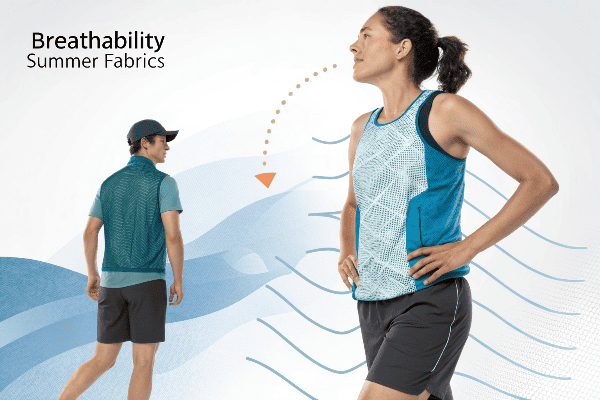
Breathability vs. Moisture Wicking
| Feature | What It Does |
|---|---|
| Breathability | Lets air pass through the fabric |
| Moisture-wicking | Pulls sweat away from your skin |
| Quick-drying | Evaporates moisture rapidly |
For true summer comfort, a fabric should excel in all three[^1].
Is cotton the most breathable fabric?
Yes—for most people and most styles.
100% cotton is soft, affordable, and naturally breathable. It absorbs sweat and lets air flow through, making it ideal for casual wear, T-shirts, and summer dresses.
Cotton Pros:
- Soft and gentle on skin
- Readily available in many styles
- Easy to wash
- Highly breathable when loosely woven
Cotton Cons:
- Absorbs sweat but dries slowly
- Not ideal for sports or high-performance wear
Opt for lightweight cotton voile, lawn, or combed cotton for extra breathability[^2].
Further reading: Types of Cotton Fabric – CottonWorks™
How does linen compare to cotton?
Linen is even more breathable—but less soft.
Made from flax fibers, linen allows maximum airflow and dries faster than cotton. Its open weave keeps you cooler in hot, dry climates.
Linen Pros:
- Excellent airflow
- Quick to dry
- Naturally antibacterial
- Has a luxe, relaxed texture
Linen Cons:
- Wrinkles easily
- Feels rougher than cotton
- Can shrink if not pre-washed
Linen garments are a go-to choice for summer suits, beachwear, or vacation looks[^3].
Explore: Why Linen is the Best Fabric for Summer – MagicLinen
Is bamboo a good breathable option?
Yes—especially for people with sensitive skin.
Bamboo viscose or rayon is naturally breathable, moisture-wicking, and hypoallergenic. It’s a sustainable alternative to cotton and feels luxuriously soft.
Bamboo Benefits:
- Silky feel
- Regulates temperature well
- Resists odor and bacteria
- Eco-friendly (when sourced responsibly)
| Fabric Type | Breathability | Softness | Best Use |
|---|---|---|---|
| Cotton | ✅✅✅ | ✅✅✅ | Casualwear, daily basics |
| Linen | ✅✅✅✅ | ✅✅ | Dress shirts, summer suits |
| Bamboo | ✅✅✅ | ✅✅✅✅ | Sleepwear, sensitive skin wear |
| Polyester | ❌ | ✅ | Not ideal for hot climates |
Sustainability note: Look for OEKO-TEX or FSC-certified bamboo fabric[^4].
Are synthetic fabrics breathable?
Most aren’t—unless engineered for it.
Standard polyester and nylon trap heat and sweat, but performance versions like mesh knit or CoolMax can offer breathability. These are commonly used in:
- Running shirts
- Cycling jerseys
- Activewear tanks
Avoid synthetics for casual summer clothing unless labeled as moisture-wicking or quick-dry.
Comparison: Cotton vs Polyester – Which is Better for Summer? – Patagonia
Conclusion
The most breathable fabrics for summer are cotton, linen, and bamboo—thanks to their ability to let air through and manage moisture. For daily comfort, go with cotton. For beach-ready coolness, linen wins. And for softness with sustainability, bamboo has your back.
[^1]: Breathability is a key comfort factor explained by the American Association of Textile Chemists and Colorists.
[^2]: CottonWorks offers a breakdown of lightweight cotton fabric types for seasonal garments.
[^3]: MagicLinen details the benefits of flax-based linen for warm-weather apparel.
[^4]: OEKO-TEX and FSC certifications ensure bamboo is produced responsibly.