
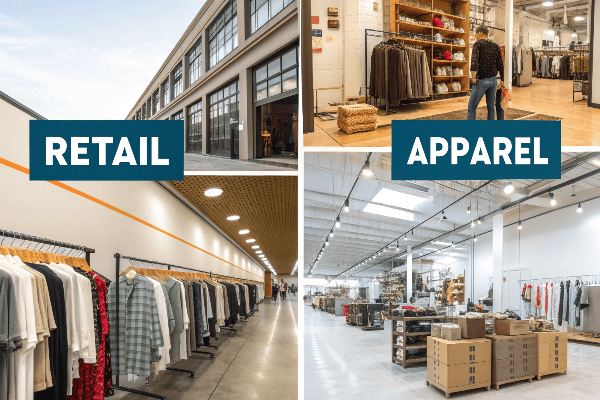
Retail and apparel often go hand in hand—but they’re not the same. While both involve clothing, they represent different parts of the fashion value chain. So, what exactly sets them apart?
The retail industry refers to the sale of goods directly to consumers, while the apparel industry focuses on the design, production, and distribution of clothing. Apparel is a product category within the broader retail industry.
I’ve worked with clients who thought “retail” and “apparel” were interchangeable. Once they understood the distinction, it changed how they structured their business.
Table of Contents
- What is the retail industry?
- What is the apparel industry?
- How do they connect?
- Which one should you focus on?
- Conclusion
What is the retail industry?
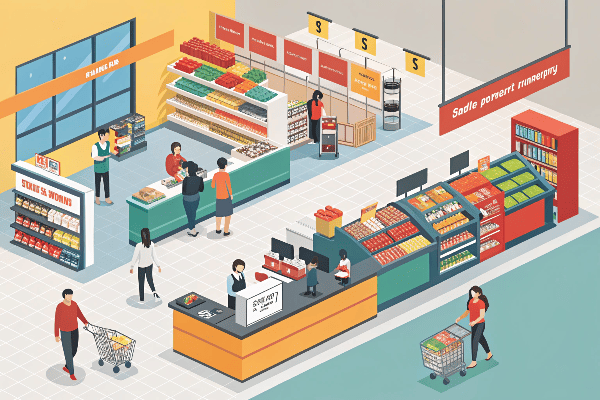
The retail industry includes all businesses that sell goods directly to consumers for personal use.
Retail covers many sectors, including electronics, food, cosmetics, and apparel. It focuses on point-of-sale transactions through physical stores, online platforms, or direct-to-consumer models.
Examples of retail formats
| Retail Format | Example Brands |
|---|---|
| Brick-and-mortar | Walmart, Macy’s, Target |
| E-commerce | Amazon, ASOS, SHEIN |
| Pop-up shops | Brand activation events |
| Direct-to-consumer | Gymshark, Everlane, Warby Parker |
Retail is about how products are delivered and sold—not what the product is.
What is the apparel industry?
The apparel industry involves the creation and manufacturing of clothing and accessories.
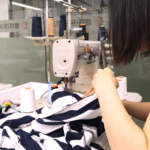
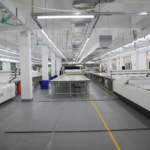
It includes fashion designers, textile manufacturers, factories, wholesalers, and brands. The focus is on producing garments at scale, customizing designs, and sourcing fabrics and labor.
Key segments in the apparel industry
| Sector | Examples of Activities |
|---|---|
| Design & Development | Sketching, tech packs, fabric sourcing |
| Manufacturing | Cutting, sewing, packaging |
| Branding & Wholesale | OEM/ODM services, bulk supply |
| Export & Logistics | International trade, warehousing, shipping |
Apparel is what gets made; retail is how it gets sold.
How do they connect?
Retail and apparel work together in the clothing business.
The apparel industry creates the product, while the retail industry brings it to the customer. Many brands today integrate both by designing clothes and selling them directly through their own platforms.
Business model overlaps
| Model Type | Description |
|---|---|
| Traditional Apparel | Manufacturer → Wholesaler → Retailer → Customer |
| Direct-to-Consumer | Manufacturer + Retail (e.g., Nike.com) |
| Private Label Retail | Retailer sells under its own brand name |
If you’re launching a brand, you might sit at the intersection of both.
Which one should you focus on?
That depends on your business goals.
If you want to create and produce fashion, focus on the apparel side. If your goal is to reach consumers and manage a brand experience, retail may be your primary path. Some companies do both to control the entire supply chain.
Consider your role
| Goal | Industry Focus |
|---|---|
| Custom production | Apparel |
| Mass-market selling | Retail |
| Niche fashion brand | Both |
Understanding your position helps define your strategy and partnerships.
Conclusion
The apparel industry produces clothing; the retail industry sells it to the final customer. While connected, they serve different functions within the fashion ecosystem. To succeed, especially as a brand or manufacturer, it’s essential to know where you fit—and how both sectors can support your growth.