
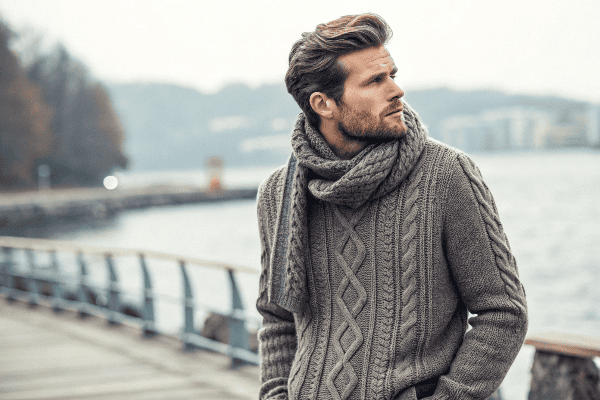
I used to think knitwear and sweater meant the same thing. Many clients ask me for “knitwear” samples, then get confused when I send cardigans, vests, and pullovers together. That’s when I realized—most people mix them up.
The difference is that “knitwear” is a broad category that includes any clothing made with knitting techniques, while a “sweater” is a specific type of knitwear, usually a warm, long-sleeved top worn in cool weather.
I always explain this to buyers: all sweaters are knitwear, but not all knitwear is sweaters. Like squares and rectangles.
Learn more about the basics of knitwear from The Woolmark Company
Table of Contents
- What exactly is knitwear?
- What defines a sweater?
- Is knitwear always warm like sweaters?
- Can a sweater be called knitwear?
- Are all sweaters made from knitted fabric?
- Why do brands use “knitwear” instead of “sweater”?
- Conclusion
What exactly is knitwear?
Knitwear is about the fabric and method.
Knitwear refers to any garment made using knitting—looping yarns together to form fabric. It includes sweaters, cardigans, knit dresses, skirts, pants, vests, and even T-shirts made from knitted fabric.
I work with flat knitting and circular knitting machines every day. Anything made with yarn loops—whether it’s heavy or lightweight—counts as knitwear.
| Knitwear Type | Description |
|---|---|
| Sweaters | Pullovers made with thick yarn |
| Cardigans | Open-front sweaters, often buttoned |
| Knit Tops | Light knit shirts or tanks |
| Knit Dresses | Bodycon or A-line dresses in knit form |
| Knit Pants | Stretchy, soft pants for lounge or style |
| Knit Vests | Sleeveless tops with a sweater feel |
As long as it’s made by knitting loops—not weaving—it’s knitwear.
Explore more types of knitwear at FashionUnited
What defines a sweater?
This is where it gets more specific.
A sweater is a type of knitwear, typically a long-sleeved, warm top made with medium or thick yarn, designed for cold weather. Sweaters can be pullovers or cardigans.
When my clients say “sweater,” they usually mean a heavier top for fall or winter. Sometimes they mean hooded knit tops, but most often it’s the classic pullover.
In production, we usually classify sweaters into:
- Pullover: Worn over the head, no opening
- Cardigan: Front open, button or zip
- Turtleneck: High collar, foldable
- Crewneck: Round neck, basic style
- V-neck: Sharper neckline, dressier
Sweaters tend to use wool, acrylic, or thick cotton yarn. They are bulkier than most knitwear pieces.
Is knitwear always warm like sweaters?
Not always.
Knitwear can be warm or lightweight, depending on yarn thickness and stitch density. Sweaters are usually warm, but knitwear also includes breathable, thin items.
I’ve made knit crop tops and mesh-knit shirts for summer collections. They’re light and airy—not warm at all.
| Fabric/Yarn Type | Season Use | Garment Example |
|---|---|---|
| Fine-gauge cotton | Spring/Summer | Knit tank top |
| Medium-weight viscose | Spring/Fall | Knit blouse |
| Chunky wool | Fall/Winter | Sweater or knit jacket |
Sweaters live in the winter category. Knitwear spans all seasons.
Discover seasonal knitwear styling tips from Vogue
Can a sweater be called knitwear?
Yes—always.
All sweaters are knitwear, because they are made using knitting methods. But knitwear includes much more than just sweaters.
I often put sweaters under a larger “knitwear” collection in product catalogs. For example, a buyer might ask me for “women’s knitwear” and expect sweaters, dresses, and lounge sets.
It’s like this:
- Knitwear = category (method of making fabric)
- Sweater = product type (warm top made from knit)
Just like “bread” includes buns, toast, and rolls—knitwear includes sweaters, dresses, and vests.
Are all sweaters made from knitted fabric?
Almost always, but there are rare exceptions.
Sweaters are traditionally made from knitted yarns. Some modern designs imitate the sweater look with woven or bonded fabric, but classic sweaters are always knitted.
I’ve seen faux sweaters made from bonded fleece or jacquard-woven fabric. They look like sweaters but don’t stretch the same way. I always make sure buyers understand this before placing bulk orders.
If it stretches horizontally and you can see the looped structure—it's knitted. If the fabric feels stiff and doesn’t move much—it might be woven.
Why do brands use “knitwear” instead of “sweater”?
Because knitwear is a more flexible term.
Brands use “knitwear” to describe a full product category that includes sweaters and other knit items. It allows more freedom in fashion design and merchandising.
When I prepare line sheets, I title them “Knitwear” even if 70% are sweaters. It gives the buyer the impression of variety and trend flexibility.
Knitwear's versatility is why it's a favorite in fashion collections
Conclusion
Knitwear is the category. Sweater is the product. All sweaters are knitwear, but knitwear includes more than sweaters—like dresses, tops, and pants. Understanding the difference helps both buyers and brands communicate more clearly.
- Woolmark. Knitting Techniques and Knitwear Essentials. Retrieved from https://www.woolmark.com/fibre/knitting/
- FashionUnited. What Is Knitwear? Retrieved from https://fashionunited.com/news/fashion/what-is-knitwear/2020111836911
- Vogue. How to Style Knitwear in Every Season. Retrieved from https://www.vogue.com/article/how-to-style-knitwear
- Business of Fashion. The Rise of Knitwear. Retrieved from https://www.businessoffashion.com/articles/news-bites/the-rise-of-knitwear/