
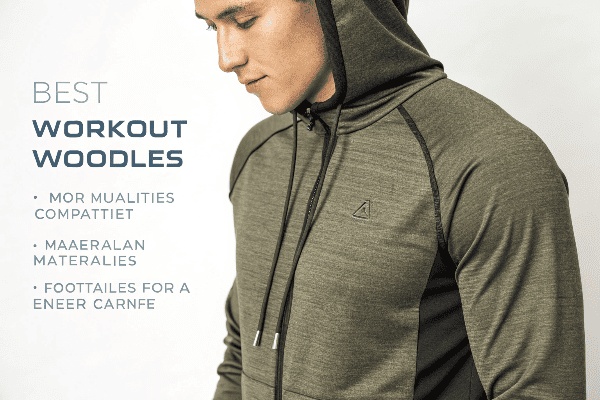
A good workout hoodie isn’t just about comfort—it needs to keep you cool, dry, and flexible while you move. But with so many fabric options out there, how do you choose the best material for your workout hoodie?
The best materials for workout hoodies are moisture-wicking fabrics like polyester, cotton-blends, fleece, and performance-focused options like spandex and nylon. These fabrics offer breathability, flexibility, and durability.
I’ve seen a huge difference in performance when choosing the right fabric for a workout hoodie—some materials trap moisture, while others breathe and stretch with your body. Let's break down what makes each fabric great for workouts.
Table of contents
- Why is polyester a top choice for workout hoodies?
- How does cotton compare for workout hoodies?
- What about fleece or French terry?
- How do spandex or nylon fit into workout hoodie fabrics?
- Conclusion
Why is polyester a top choice for workout hoodies?
Polyester is the go-to fabric for many activewear brands—and for good reason.
Polyester is lightweight, moisture-wicking, and dries quickly, making it ideal for high-intensity workouts. It's also durable and resists shrinking or fading, even after multiple washes.
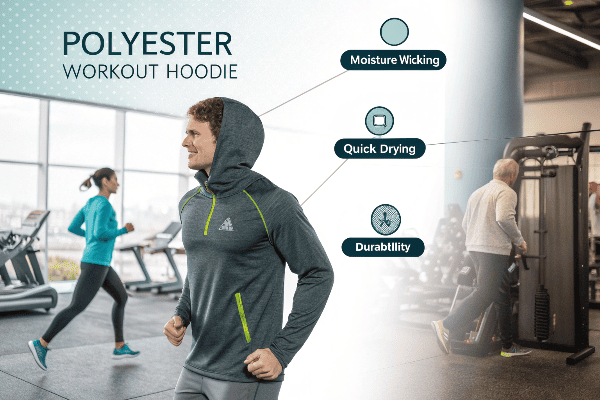
Why polyester works for activewear
| Feature | Benefit |
|---|---|
| Moisture-wicking | Draws sweat away from the skin |
| Lightweight | Won’t weigh you down during movement |
| Durability | Strong and holds up to frequent wear and washing |
| Stretch | Allows for full range of motion |
Polyester blends often include elastane (spandex), which adds additional stretch and flexibility.
How does cotton compare for workout hoodies?
Cotton is soft, breathable, and incredibly comfortable—but is it the best for working out?
Cotton is breathable and great for light activities, but it absorbs moisture and takes longer to dry. It’s best for low-impact workouts or casual wear.
Why cotton is both a pro and a con
| Feature | Benefit | Drawback |
|---|---|---|
| Soft and comfortable | Gentle on the skin | Absorbs moisture and gets heavy |
| Breathability | Good air circulation | Takes longer to dry |
| Natural fibers | Hypoallergenic and eco-friendly | Not as moisture-wicking as polyester |
Cotton is ideal for gentle workouts or as a lounging hoodie—but for running or intense gym sessions, it’s better mixed with synthetic fabrics.
What about fleece or French terry?
Fleece and French terry are popular options for keeping warm during workouts or outdoor activities.
Fleece is a soft, insulating fabric that traps heat and keeps you warm, while French terry is slightly lighter, offering moisture-wicking and softness without the weight.
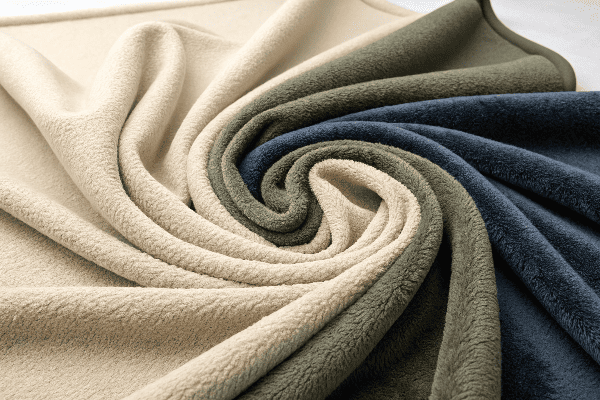
Fleece vs. French terry for workouts
| Fabric Type | Best For | Pros |
|---|---|---|
| Fleece | Cold-weather activities, outdoor running | Warm, cozy, insulating |
| French Terry | Light gym sessions, casual wear | Soft, breathable, moisture-wicking |
Both are soft and comfortable but for different uses—fleece for colder environments, French terry for lighter exercises or layering.
How do spandex or nylon fit into workout hoodie fabrics?
For workouts requiring flexibility and form-fitting styles, spandex and nylon are excellent choices.
Spandex (or Lycra) offers stretch and elasticity, making it ideal for high-intensity activities. Nylon is durable, lightweight, and has moisture-wicking properties.
Spandex & Nylon benefits
| Fabric Type | Best For | Benefits |
|---|---|---|
| Spandex | High-intensity workouts, yoga, stretching | Stretch, flexibility, and comfort |
| Nylon | Activewear and sports gear | Lightweight, quick-drying, durable |
Both are commonly blended with other fabrics like polyester to create the perfect balance of comfort, breathability, and durability.
Conclusion
The best material for workout hoodies depends on your activity level and needs. Polyester and polyester blends are the top choice for moisture-wicking, high-performance workouts. Cotton is great for low-impact sessions, while fleece and French terry provide warmth and comfort. For ultimate flexibility and durability, spandex and nylon are the way to go. Choose the fabric that aligns with your workout intensity and comfort preferences.
- For more information on activewear materials, visit Activewear Insights.
- Interested in sustainable workout fabrics? Check out Sustainable Activewear.