If you’re starting a clothing brand or working in fashion, you’ve likely heard the term "clothing manufacturer." But what exactly does this mean?
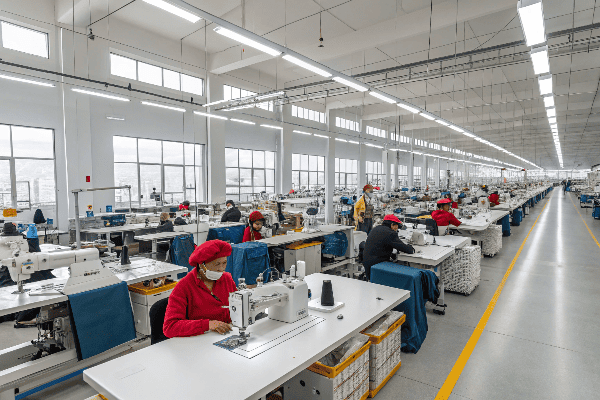
A clothing manufacturer is a company or facility that produces garments based on designs provided by a fashion brand or designer. They handle the entire production process, from sourcing fabrics to stitching, finishing, and sometimes packaging.
Whether you’re creating a t-shirt line or launching a full collection, a clothing manufacturer is a key partner in bringing your designs to life. Let’s break down what clothing manufacturers do and how they fit into the fashion production chain.
Table of Contents
- What does a clothing manufacturer do?
- What are the different types of clothing manufacturers?
- How do you choose the right clothing manufacturer?
- What services do clothing manufacturers offer?
- How much does it cost to work with a clothing manufacturer?
- Conclusion
What does a clothing manufacturer do?
A clothing manufacturer produces garments from start to finish, turning raw materials into finished clothing.
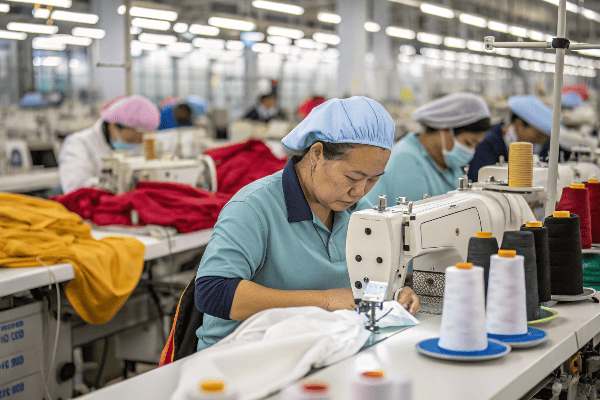
Clothing manufacturers handle everything from fabric selection and pattern making to cutting, sewing, and finishing. Some may even offer additional services like screen printing or embroidery.
Key steps in the manufacturing process
| Step | What It Involves |
|---|---|
| Fabric sourcing | Manufacturers source the right materials (cotton, polyester, etc.) |
| Pattern making | Creating patterns based on design specifications |
| Cutting | Cutting fabric pieces according to the patterns |
| Sewing | Stitching the fabric pieces together |
| Finishing | Includes tasks like hemming, adding labels, and quality checks |
| Packaging | The final step before the products are shipped to retailers |
Some manufacturers only focus on one or two steps, while others offer full-package production (FPP)^[1].
What are the different types of clothing manufacturers?
Clothing manufacturers can vary based on the level of service they provide and the types of garments they specialize in.
The main types include private label manufacturers, OEM (Original Equipment Manufacturer) and ODM (Original Design Manufacturer) factories.
Types of clothing manufacturers
| Type | Description |
|---|---|
| Private Label | Manufacturer produces clothes that are sold under a brand’s label without custom designs |
| OEM | Manufacturer produces garments based on specific designs provided by a brand |
| ODM | Manufacturer offers both design and production services, providing ready-made designs that can be customized for brands |
More on OEM vs ODM from Techpacker^[2]
How do you choose the right clothing manufacturer?
Choosing the right clothing manufacturer can make or break your business.
Consider factors such as quality, pricing, reliability, and the manufacturer’s experience with your specific type of garment.
What to consider when selecting a manufacturer
| Factor | Why It’s Important |
|---|---|
| Quality control | Ensures the final product meets your brand standards |
| Pricing | Should be competitive and align with your budget |
| Lead time | Must match your production deadlines |
| Location | Closer proximity may reduce shipping costs and times |
| Minimum Order Quantity (MOQ) | Should match your order volume requirements |
Platforms like Maker's Row (USA) or Alibaba (global) are great places to research manufacturers^[3].
What services do clothing manufacturers offer?
Manufacturers typically offer a range of services beyond basic garment production.
These services can include fabric sourcing, pattern making, prototyping, finishing, and even distribution.
Additional services manufacturers may provide
| Service | What It Includes |
|---|---|
| Fabric sourcing | Helping to find suitable fabric suppliers |
| Pattern making | Creating templates or patterns for production |
| Prototyping | Sample making to test design concepts |
| Embroidery/Screen printing | Customization for branding (logos, prints) |
| Packaging & labeling | Adding branded tags, care instructions, and packaging |
Working with a cut and sew manufacturer gives you more creative control than wholesale suppliers^[4].
How much does it cost to work with a clothing manufacturer?
Costs vary widely depending on your order size, fabric choice, and complexity of your designs.
Expect to pay for fabric, labor, and the manufacturer’s overhead. Additional costs may include design fees, prototyping, and shipping.
What factors affect the cost of manufacturing?
| Factor | Impact on Price |
|---|---|
| Material choice | Premium fabrics like organic cotton or wool cost more |
| Order size | Larger quantities lower the per-unit cost |
| Complexity of design | Custom designs or added features increase costs |
| Location | Overseas production may be cheaper than local |
| Quality control | Rigorous checks might add to the cost |
You can estimate initial costs using this clothing cost calculator^[5].
Conclusion
A clothing manufacturer is your partner in turning designs into real products. Whether you’re designing your own line or purchasing ready-made clothing to sell, finding the right manufacturer is crucial to success. Choose one that aligns with your brand values, product needs, and budget to ensure a smooth and profitable production process.
^[1]: Types of Garment Production Services – Apparel Resources
^[2]: OEM vs ODM: What’s the Difference? – Techpacker
^[3]: Where to Find Clothing Manufacturers – Maker's Row
^[4]: What is Cut and Sew Manufacturing? – Shopify Blog
^[5]: Clothing Cost Calculator Tool – Apparel Entrepreneurship