
You may have seen the word “rot” on a fabric label or textile order sheet and wondered—does it mean decay? Is the material damaged? Actually, it means something very different in fabric terminology.
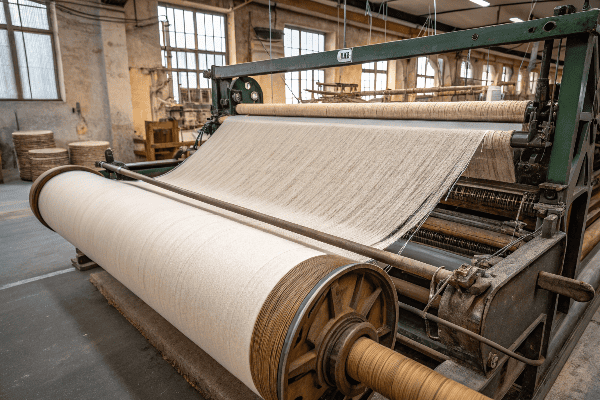
In fabric and textile manufacturing, “ROT” usually refers to “raw greige fabric” or “unprocessed fabric” straight from the loom, before dyeing, printing, or finishing. It does not refer to decomposition or mold.
When I first worked with fabric suppliers, I panicked the first time I saw "ROT" on a packing list. Turns out, it’s just industry shorthand—and perfectly normal[^1].
Table of Contents
- What does “ROT” mean in textile production?
- Why is “ROT” fabric used?
- Is “ROT” the same as damaged or rotten fabric?
- How should ROT fabric be stored?
- Conclusion
What does “ROT” mean in textile production?
It’s a common abbreviation—but not always explained clearly.
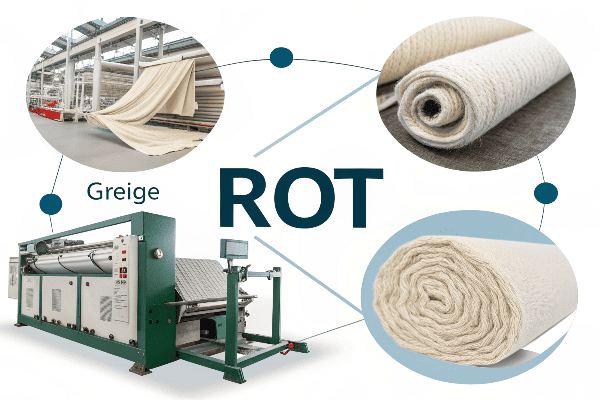
“ROT” is a German-origin textile term (also used in other countries) that refers to unfinished, untreated, or “greige” fabric. It’s the raw state of fabric before it’s dyed, printed, or washed.[^2]
ROT vs. Finished Fabric
| Fabric Stage | Description |
|---|---|
| ROT Fabric | Raw, unbleached, untreated fabric |
| Scoured Fabric | Cleaned but still undyed |
| Dyed Fabric | Colored with pigments or dyes |
| Finished Fabric | Softened, treated, and pre-shrunk |
ROT fabric is often off-white or grayish and still contains oils, waxes, and other residues from weaving[^3].
Learn more from Textile Glossary - Greige Fabric.
Why is “ROT” fabric used?
Before turning fabric into garments, it must go through processing stages.
ROT fabric is used as a base for dyeing, printing, finishing, or testing. It gives factories full control over how the fabric will look, feel, and perform.
Common uses of ROT fabric
- Custom dyeing for seasonal collections
- Printing logos or patterns using screen or digital methods
- Finishing treatments (e.g. anti-shrink, moisture-wicking)[^4]
- Sampling or prototyping before bulk production
It’s cheaper to buy ROT fabric and process it in-house if you want full customization—especially in OEM textile manufacturing.
Is “ROT” the same as damaged or rotten fabric?
No—not at all.
In the textile world, “ROT” does not mean rotten or decayed. It simply means “raw” or “unprocessed.” However, poor storage of ROT fabric can lead to mold or discoloration if not handled properly.
Avoiding confusion
| “ROT” in context | What it means |
|---|---|
| ROT 100% Cotton Jersey | Raw, undyed cotton knit |
| ROT Fabric Roll 50m | Unprocessed fabric roll |
| Fabric has rot spots | This may indicate damage (contextual!) |
So always ask your supplier what they mean—some might misuse the term, or confuse it with “mold” or “stains.”
Refer to OEKO-TEX Guidelines for clarity on textile condition and compliance.
How should ROT fabric be stored?
It’s more vulnerable than finished fabric, so handling matters.
Store ROT fabric in a dry, cool place away from sunlight and moisture. Avoid stacking rolls in damp warehouses, as untreated fabric absorbs humidity quickly.
Storage tips
- Wrap in breathable packaging, not plastic
- Keep off direct floors—use pallets
- Rotate stock to prevent mildew buildup
- Don’t store long-term without scouring or finishing[^5]
Many ISO-compliant textile warehouses follow these procedures to protect bulk greige fabrics from damage during pre-processing.
Conclusion
In textiles, “ROT” refers to raw, unfinished fabric—usually greige cotton or knit—before any dyeing or finishing. It’s not moldy or defective, just unprocessed. Always check with your supplier to confirm the context.
[^1]: “ROT” stands for raw or greige fabric—not rotting. Used in European and international textile orders.
[^2]: The term comes from the German word "roh" meaning raw. Common in international trade lingo.
[^3]: Learn about greige fabric characteristics at TextileSchool.com.
[^4]: Examples include anti-microbial, softening, flame retardant, or moisture-wicking finishes.
[^5]: See ISO 8110:2022 for handling of unprocessed woven fabric.