The fashion world moves fast, but some companies have maintained their dominance across decades. Whether you’re a startup brand or a sourcing agent, knowing the top players helps you understand market trends and set realistic goals.
As of 2025, the top 10 apparel companies by market capitalization include LVMH, Hermès, Inditex (Zara), TJX, Fast Retailing (Uniqlo), Dior, Nike, Cintas, Ross Stores, and Adidas. These companies lead the industry in size, influence, and global reach.
Many of my buyers benchmark against these giants. Whether you're chasing Zara's speed or Hermès' luxury feel, understanding these companies gives you a clearer path forward.
Table of Contents
- Why are these companies considered the top?
- Who are the top 10 apparel companies in 2025?
- How do these companies impact the fashion industry?
- What can startups or B2B brands learn from them?
- Conclusion
Why are these companies considered the top?
Market cap, global presence, brand value—these aren’t just numbers.
These companies top the charts because they combine massive revenue, strong branding, global logistics, and the ability to shape trends across the fashion industry.
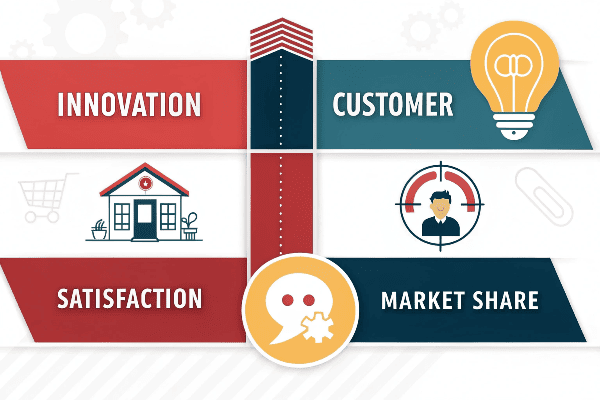
Key reasons behind their dominance
| Metric | Why It Matters |
|---|---|
| Market Capitalization | Reflects investor confidence and long-term profitability |
| Global Retail Presence | Indicates wide consumer trust and demand |
| Brand Value | Strong brand equity protects pricing and customer loyalty |
| Innovation Capacity | Helps adapt to fast-changing consumer preferences |
| Supply Chain Control | Enhances cost efficiency and speed to market |
These firms not only manufacture at scale but also drive the conversation around design, sustainability, and retail tech.
Who are the top 10 apparel companies in 2025?
Here’s the list you came for—these are the brands shaping the future of apparel.
In terms of market value, these 10 companies dominate both fashion and function, from luxury to mass market.
| Rank | Company | Market Cap (Approx.) | Focus Area |
|---|---|---|---|
| 1 | LVMH | $283B | Luxury (Louis Vuitton, Fendi, etc.) |
| 2 | Hermès | $280B | Ultra-luxury leather & fashion |
| 3 | Inditex (Zara) | $171B | Fast fashion (Zara, Massimo Dutti) |
| 4 | TJX Companies | $140B | Off-price retail (T.J. Maxx, Marshalls) |
| 5 | Fast Retailing (Uniqlo) | $100B | Affordable staples (Uniqlo) |
| 6 | Dior | $95B | High-end fashion |
| 7 | Nike | $85B | Sportswear and lifestyle |
| 8 | Cintas | $84B | Uniforms and workwear |
| 9 | Ross Stores | $45B | U.S.-based off-price fashion |
| 10 | Adidas | $43B | Performance and sportswear |
These figures are approximate and based on 2025 Q1 financial data from Yahoo Finance and Statista[^1].
How do these companies impact the fashion industry?
From material sourcing to marketing trends, these players shape the rules.
Top apparel companies dictate global supply chain flows, trend directions, and even pricing for raw materials like cotton and polyester.
Their influence goes beyond clothes
- Sustainability Standards: Brands like Nike and Inditex lead in recycled materials and ethical labor practices.
- Retail Innovation: Uniqlo’s HEATTECH reshaped performance basics.
- Globalization: LVMH and Hermès set benchmarks for luxury across Asia, Europe, and the U.S.
- Fast Fashion Models: Zara reduced the design-to-shelf timeline to 2–3 weeks.
- Off-Price Strategies: TJX and Ross disrupted department store pricing models.
Even smaller brands and factories often adjust their practices based on what these giants are doing.
What can startups or B2B brands learn from them?
You don’t have to compete—you can collaborate or adapt their models.
Study how they balance volume with branding. Learn how they scale. Then tailor your own strategy based on your niche, production capacity, and audience.
Tips inspired by top brands
| Lesson from Industry Giants | How You Can Apply It |
|---|---|
| Fast Retailing (Uniqlo): Focus on essentials | Build a strong core collection you can scale |
| LVMH/Hermès: Brand Storytelling | Invest in your visual identity and origin story |
| Inditex: Speed to Market | Streamline sample cycles and small-batch drops |
| Nike/Adidas: Tech + Fashion | Add functional fabrics to elevate your product |
| TJX/Ross: Affordability + Access | Offer price tiers and overstock strategies |
I've helped factories apply these strategies for clients who want cost-effective production without compromising brand feel.
Conclusion
The top 10 companies in the apparel industry aren’t just big names—they’re trendsetters and market movers. Whether you're starting a brand or running a factory, understanding how these giants operate can sharpen your strategy and help you find your place in the fashion world.
[^1]: Market data sourced from Yahoo Finance Apparel Rankings (2025) and Statista Apparel Industry Leaders