
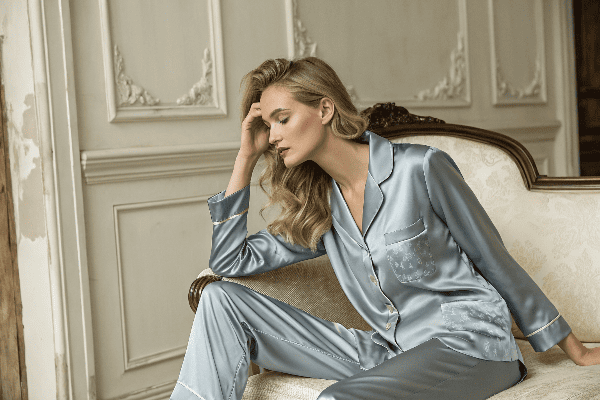
Silk pajamas sound like a dream—luxurious, soft, and elegant. But before you invest, it’s worth asking: are there any downsides?
Silk pyjamas are expensive, delicate, and require careful washing. They wrinkle easily, snag on sharp objects, and aren’t ideal for heavy sweating. While luxurious, they demand more maintenance and cost than other sleepwear options.[^1]
I’ve helped develop silk sleepwear lines, and trust me—customers love the feel but often underestimate the care needed. Returns happen not because of quality, but because of inconvenience.
Table of Contents
- Why are silk pyjamas considered high-maintenance?
- Are silk pyjamas durable?
- Do silk pyjamas cause overheating or discomfort?
- Is the cost of silk pyjamas justified?
- Conclusion
Why are silk pyjamas considered high-maintenance?
They feel soft—but don’t let that fool you. Silk is fragile.
Silk pyjamas often require hand-washing or dry cleaning, can’t handle rough wear, and are prone to wrinkling and tearing if not handled gently.
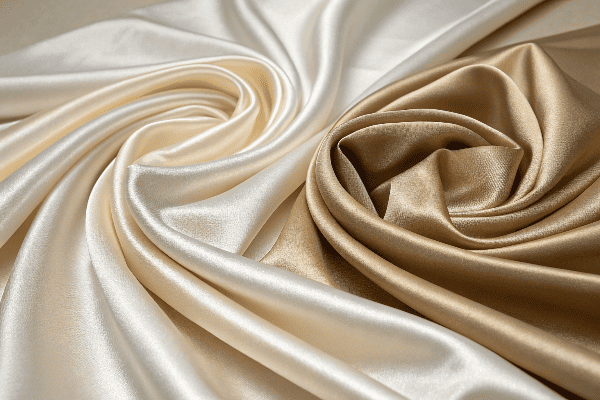
Maintenance challenges
| Issue | Detail |
|---|---|
| Washing | Needs cold water, gentle detergent |
| Drying | No machine drying; air dry only |
| Ironing | Requires low-heat ironing |
| Snagging risk | High—jewelry, zippers, even nails |
Check The Laundress for expert silk washing tips.[^2]
If you’re looking for low-effort loungewear, silk isn’t it. Many first-time buyers are surprised by how hands-on the care routine is.
Are silk pyjamas durable?
Silk is natural and strong—but not when it comes to wear and tear.
Silk pajamas are prone to fraying, seam stress, and fading over time—especially if frequently worn or exposed to sunlight.
Durability limitations
- Stretch resistance: Silk has low elasticity, so it may lose shape
- Abrasion resistance: Poor—rubbing against sheets or furniture causes thinning
- UV sensitivity: Sunlight can break down silk fibers and discolor them
Learn more about silk fiber structure from Woolmark’s silk guide.[^3]
With proper care, silk sleepwear can last years—but it’s not designed for rough use or daily machine cycles.
Do silk pyjamas cause overheating or discomfort?
Silk is breathable, but it doesn’t absorb moisture like cotton.
Silk may feel clingy or sticky if you sweat heavily at night. It’s not the best choice for hot sleepers or humid climates.
Thermal regulation limits
| Condition | How Silk Reacts |
|---|---|
| Hot & Humid Nights | Can feel slick or sweaty |
| Cold Weather | Feels cool to the touch |
| Heavy Sweating | Limited moisture absorption |
If you’re a sweaty sleeper, you may want to explore moisture-wicking fabrics like modal or bamboo. Learn more via Healthline – Best Sleepwear Fabrics[^4].
Is the cost of silk pyjamas justified?
Silk is expensive for a reason—but it’s not for every budget.
Silk pyjamas can cost $100–$300+ per set. That’s 3–5x more than satin or cotton sleepwear. For trend-conscious buyers, the value may not hold up over time.
Cost comparison
| Fabric Type | Price Range (USD) | Care Effort | Longevity (w/ care) |
|---|---|---|---|
| Silk | $100–$300+ | High | 3–8 years |
| Satin (Poly) | $20–$80 | Low | 2–4 years |
| Cotton | $30–$100 | Medium | 3–6 years |
Silk’s premium appeal is great for luxury positioning—but may not work for bulk or everyday collections. Victoria’s Secret offers both silk and satin options for comparison.
Conclusion
Silk pyjamas are beautiful but not always practical. They’re expensive, require careful care, and may not suit warm climates or daily use. Choose silk for luxury—not for convenience.
[^1]: Real Simple – Silk vs Satin Pajamas
[^2]: The Laundress – How to Wash Silk Pajamas
[^3]: Woolmark – What Is Silk?
[^4]: Healthline – Best Fabrics for Sleepwear