
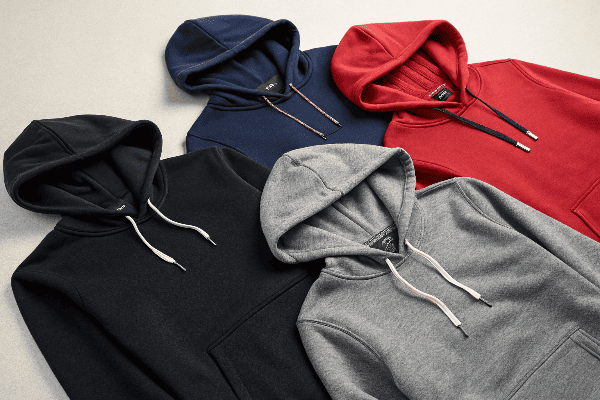
When choosing hoodies, many people look at the fabric label and wonder if 100% cotton is the best choice. Some brands promote pure cotton, while others mix cotton with polyester. Each option has a different feel and performance.
Hoodies do not have to be 100% cotton. Pure cotton hoodies are soft and breathable, but cotton-polyester blends are more durable, hold their shape better, dry faster, and resist shrinkage. The right choice depends on whether you prioritize comfort or performance.
I remember working with a client who insisted on 100% cotton for an organic line. They loved the feel, but later learned that blended hoodies were better for active lifestyles.
Table of contents
- What are the benefits of 100% cotton hoodies?
- What are the disadvantages of 100% cotton hoodies?
- Why are cotton-polyester blends so common in hoodies?
- Which is better: 100% cotton or blended hoodies?
- Conclusion
What are the benefits of 100% cotton hoodies?
Pure cotton hoodies are popular because of their natural feel.
A 100% cotton hoodie feels soft and breathable. It is gentle on the skin and ideal for casual wear, especially if you value natural fibers.
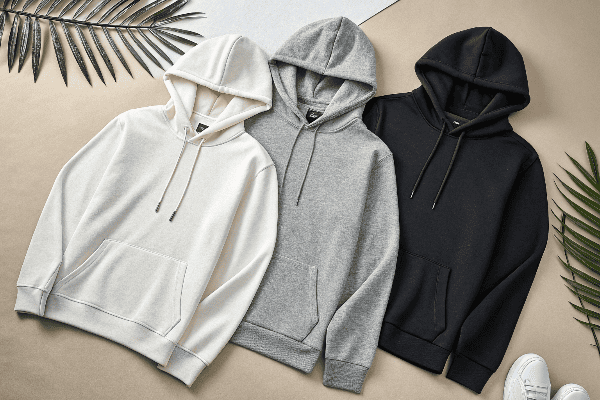
Advantages
- Soft and comfortable
- Breathable and natural
- Hypoallergenic
- Eco-friendly when organic cotton is used
Clients who focus on lifestyle comfort or sustainability often prefer pure cotton because it feels authentic and natural. You can learn more about cotton fabrics at CottonWorks.
What are the disadvantages of 100% cotton hoodies?
While soft, cotton has a few downsides when used alone.
100% cotton hoodies can shrink, lose shape, fade faster, and dry slowly. These issues make them less ideal for sports or heavy-duty use.
Key drawbacks
- Shrinking after washing
- Wrinkling and slower drying
- Heavier when wet
- May lose shape over time
Pre-shrunk cotton and better finishing methods help reduce these problems, but blends remain more stable overall. Fabric care tips can be found at Textile School – Cotton Fabric Care.
Why are cotton-polyester blends so common in hoodies?
Blended fabrics combine the benefits of both materials.
Blends add strength, wrinkle resistance, and faster drying while keeping a soft feel. They are more durable and practical for everyday or sportswear use.
Typical blend advantages
- Better shape retention
- Less shrinkage and wrinkling
- Lighter and quicker to dry
- Cost-effective
For activewear and team apparel, brands like Nike and Adidas often use cotton-polyester blends for performance and durability.
Which is better: 100% cotton or blended hoodies?
It depends on what you value more.
If you want softness, natural feel, and sustainability, go for 100% cotton. If you want durability, shape stability, and less maintenance, blended fabrics are a better choice.
Quick comparison
| Feature | 100% Cotton | Cotton Blend |
|---|---|---|
| Softness | High | Medium-High |
| Durability | Lower | Higher |
| Shrinkage | More likely | Minimal |
| Drying speed | Slower | Faster |
Streetwear brands often choose 100% cotton for heavy, premium hoodies. Sports brands usually prefer blends for functionality.
Conclusion
Hoodies do not have to be 100% cotton. Choose pure cotton for softness and a natural feel, or go for blends if you need durability, less shrinkage, and easy care.