
Activewear is everywhere—from high-end boutiques to budget chains. New brands launch every month. So it’s fair to ask: is there still room to grow, or is the activewear market completely oversaturated?
While the activewear market is highly competitive, it is not fully saturated. Niche opportunities still exist—especially in sustainability, plus-size, performance wear, and lifestyle crossover products. Growth continues, but brands must differentiate to survive.
I’ve helped several emerging activewear startups enter this space. Those who targeted a general audience struggled. But those who focused on a clear niche? They scaled—even in a crowded market[^1].
Table of Contents
- How big is the activewear market in 2025?
- Why do people say the market is oversaturated?
- What niches are still growing in activewear?
- What makes an activewear brand succeed today?
- Conclusion
How big is the activewear market in 2025?
Before we talk saturation, let’s look at the numbers.
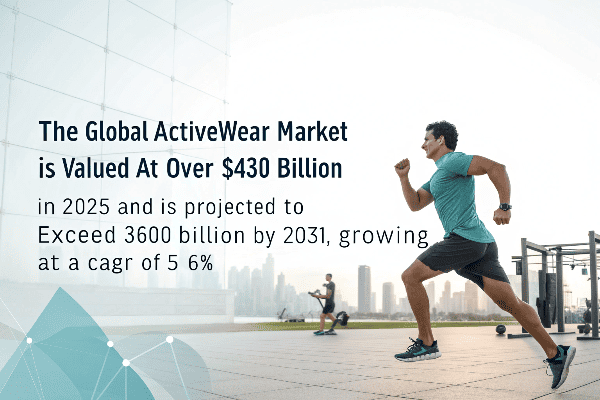
The global activewear market is valued at over $430 billion in 2025 and is projected to exceed $600 billion by 2031, growing at a CAGR of 5–6%.[^2]
Market size breakdown
| Region | 2025 Market Size | Notes |
|---|---|---|
| North America | $160+ billion | Mature market, strong brand loyalty |
| Europe | $110+ billion | Growth in athleisure and performance |
| Asia-Pacific | $100+ billion | Fastest growth rate, digital wellness |
| Middle East | Emerging | Modestwear, youth fitness culture |
For more data, explore Grand View Research and Allied Market Research.
Why do people say the market is oversaturated?
It feels oversaturated because of visibility.
So many brands promote on the same channels (Instagram, TikTok, Amazon), and many offer similar products—like basic leggings, sports bras, or sets. Without a niche or innovation, new brands struggle to stand out.
Common market issues
- Product sameness: Too many black leggings, not enough functional value
- Price competition: Race to the bottom on marketplaces
- Marketing fatigue: Influencer oversaturation, declining ROAS
- Weak storytelling: Brands without authentic identity lose traction
Browse WGSN or Jungle Scout to see how some activewear niches are being flooded on e-commerce platforms.
What niches are still growing in activewear?
This is where real opportunity lives—even in 2025.
Sustainable materials, plus-size performancewear, modest activewear, and outdoor-hybrid gear are all growing fast. Gender-neutral, adaptive fitness wear, and tech-integrated garments (like smartwear) are also trending.
Promising activewear niches
| Niche Segment | Why It’s Growing |
|---|---|
| Sustainable Activewear | Eco mandates, Gen Z demand |
| Plus Size / Inclusive | Better fit tech, underserved buyers |
| Modest Activewear | Middle East & SEA expansion |
| Hybrid Travel-Gym Wear | Remote workers & digital nomads |
| Gender-Neutral Apparel | Identity fluidity, Gen Alpha influence |
| Adaptive Activewear | Aging populations, accessibility laws |
| Smart Fitness Wear | Wearable tech integration |
Leading examples include Girlfriend Collective, Under Armour Iso-Chill, and Nike’s modestwear capsule.
What makes an activewear brand succeed today?
In a crowded space, strategy beats speed.
Successful brands focus on product innovation, specific customer identity, and clear values. They don’t try to be for everyone—they’re hyper-focused on who they serve and why.
How to stand out
- Offer functional innovation: cooling mesh, odor-fighting yarns, seamless fit
- Tell a community story: go beyond features—build culture
- Source smart: choose quality fabrics from technical textile mills
- Balance branding + value: don’t race to the bottom
For production, connect with quality-focused activewear OEM factories that offer low MOQs and branding support[^3].
Conclusion
The activewear market is not oversaturated—if you’re smart. Generic, copycat brands will struggle, but niche-driven, community-first, and innovation-led brands can still thrive in 2025. Serve a specific audience better than anyone else, and there’s still plenty of room to grow.
[^1]: Many generalist activewear startups fail due to undifferentiated products, poor retention, and rising ad costs.
[^2]: Statista & Grand View Research, 2025 industry projections.
[^3]: Trusted platforms include Alibaba, Maker’s Row, and Sewport for global sourcing of low-MOQ activewear.