
I used to avoid polyester—thinking it was cheap, itchy, and bad for the planet. But after working with different brands and testing fabric blends myself, I realized polyester has both strengths and weaknesses. It all comes down to what you’re using it for.
Polyester isn’t inherently bad for clothes. It offers durability, wrinkle resistance, and moisture-wicking properties, especially for activewear. However, it’s synthetic, non-biodegradable, and can release microplastics during washing.
When we developed a custom sportswear line, polyester became our top choice for performance. But for eco-focused clients, we always explore alternatives or recycled options.
Table of Contents
- What are the benefits of polyester in clothing?
- Why does polyester get criticized?
- Are there eco-friendly polyester alternatives?
- Conclusion
What are the benefits of polyester in clothing?
Despite its bad reputation, polyester has become a fashion industry staple—especially for activewear.
Polyester is strong, lightweight, quick-drying, and resistant to shrinking, making it ideal for high-performance garments.
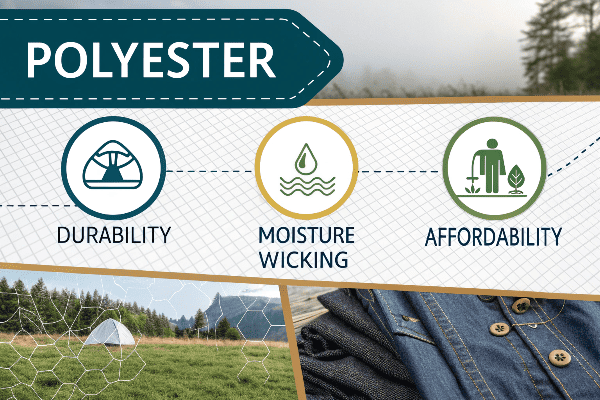
Why brands and consumers use polyester:
| Advantage | Benefit |
|---|---|
| Durability | Withstands wear, tear, and frequent washing |
| Moisture Control | Wicks sweat away from the body |
| Wrinkle Resistance | Low maintenance, no ironing needed |
| Affordability | More cost-effective than natural fibers |
| Versatility | Blends well with cotton or spandex for flexible use cases |
Polyester’s rise in popularity is driven by performance-focused fashion. According to REI, synthetic fabrics like polyester are top choices for moisture-wicking sportswear[^1].
One of our Middle East clients chose 100% polyester tees for desert heat. They were breathable, fast-drying, and lasted longer under harsh use.
Why does polyester get criticized?
While polyester performs well, it raises some serious concerns—especially for environmentally conscious consumers.
Polyester is made from petroleum, sheds microplastics, and is not biodegradable, which contributes to long-term environmental pollution.
Key issues with polyester:
- Microplastic pollution: Each wash can release tiny fibers into oceans[^2]
- Non-renewable origin: Made from fossil fuels
- Heat retention: Less breathable than cotton in hot weather
- End-of-life waste: Takes hundreds of years to decompose
A National Geographic report highlights polyester’s role in global microplastic contamination[^3]. I’ve had eco-conscious clients specifically request no polyester in their product lines. That pushed us to explore recycled polyester as a more acceptable option.
Are there eco-friendly polyester alternatives?
Yes—technology has brought better solutions.
Recycled polyester (rPET), made from plastic bottles and post-consumer waste, offers a more sustainable option with reduced carbon footprint.
Benefits of rPET:
| Feature | Impact |
|---|---|
| Waste Reduction | Diverts plastic from landfills and oceans |
| Lower Energy Use | Produces fewer emissions than virgin polyester |
| Comparable Quality | Retains the same performance features as new polyester |
Textile Exchange reports that recycled polyester can reduce emissions by up to 45% compared to virgin polyester[^4].
We introduced rPET fabric in one of our client’s yoga lines—it met their sustainability goals while maintaining stretch and durability. Many performance brands, including Patagonia, now use rPET across multiple product lines[^5].
Conclusion
Polyester isn’t bad by default—it’s about context. It excels in activewear and durability but raises environmental concerns. If performance matters, use it wisely. If sustainability matters, look into recycled options.
Educating customers and choosing your fabrics consciously can help you balance functionality with responsibility.
[^1]: REI. "Running Clothing: How to Dress for Comfort and Performance." https://www.rei.com/learn/expert-advice/running-clothing.html
[^2]: Ocean Conservancy. "Microplastics in Our Oceans." https://oceanconservancy.org/blog/2021/03/22/microplastics-dont-wash-away/
[^3]: National Geographic. "What Are Microplastics?" https://education.nationalgeographic.org/resource/microplastics
[^4]: Textile Exchange. "Recycled Polyester Market Report." https://textileexchange.org/recycled-polyester/
[^5]: Patagonia. "Our Footprint: Recycled Materials." https://www.patagonia.com/our-footprint/