
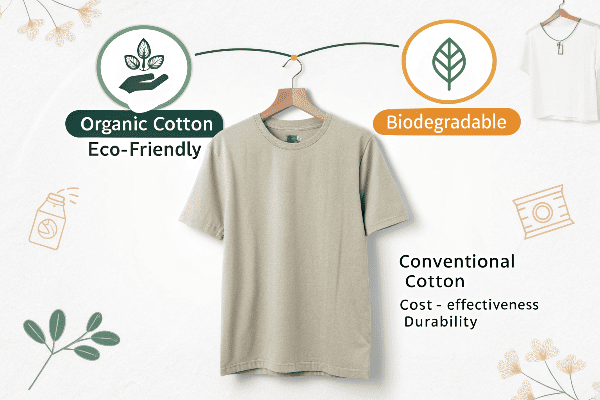
I used to see “organic cotton” on clothing labels and wonder if it really made a difference. After trying both, I started to notice changes in comfort and quality.
It is better to wear organic cotton because it is grown without synthetic pesticides, feels soft on the skin, and is safer for the environment. Organic cotton clothing is breathable, gentle for sensitive skin, and often lasts longer than regular cotton.
I still remember my first organic cotton T-shirt. It felt softer, and I learned that the fabric came from farming that did not harm the soil or water.
For more details on sustainable cotton, you can visit Textile Exchange – Organic Cotton Initiative or WWF’s cotton sustainability page. If you are interested in certifications, see GOTS official website.
Table of Contents
- Why is organic cotton considered better than regular cotton?
- Does organic cotton feel better on the skin?
- Is organic cotton safer for the environment?
- Does organic cotton last longer?
- Are there downsides to organic cotton?
- How do I know if cotton is organic?
- Conclusion
Why is organic cotton considered better than regular cotton?
I wanted to understand why so many brands use it now.
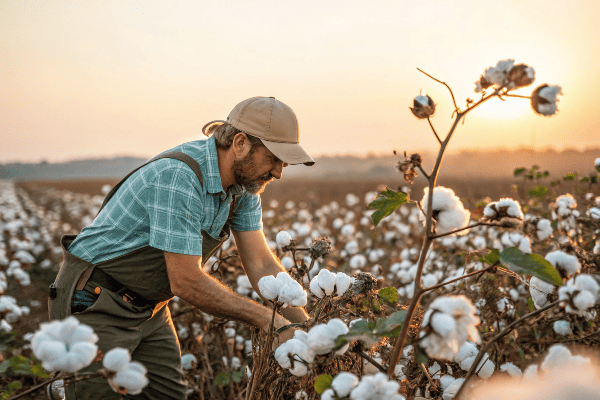
Organic cotton is considered better because it avoids chemical farming, protects soil and water, and is safer for people to wear.
Key reasons
- Farming uses natural methods instead of chemicals.
- Fabrics are soft and safe for skin.
- It is better for farmers and the planet.
I read about organic cotton farming, and it surprised me how much less water and chemicals are used.
Does organic cotton feel better on the skin?
Comfort was my first reason to try it.
Organic cotton feels softer on the skin because the fibers are not treated with harsh chemicals. It is also gentle for people with sensitive skin.
Comfort benefits
- Soft touch on the skin.
- Less chance of skin irritation.
- Natural breathability.
I have sensitive skin, so I noticed right away that organic cotton did not cause itching like some synthetic fabrics do.
Is organic cotton safer for the environment?
Many people choose organic for the planet.
Organic cotton is safer for the environment because it reduces chemical use, protects soil, and uses less water in farming.
Environmental impact
- No synthetic pesticides or fertilizers.
- Less pollution in rivers and fields.
- More biodiversity around farms.
I like knowing that wearing organic cotton means I am supporting cleaner farming. For detailed environmental impact data, check the Sustainable Apparel Coalition’s Higg Index.
Does organic cotton last longer?
Some people think organic means fragile. It does not.
Organic cotton can last longer because the fibers are stronger. They are not weakened by heavy chemical treatments.
Durability
- Natural fibers keep their strength.
- Clothes keep their shape after washing.
- With good care, they can last for years.
I have a white organic cotton shirt that still looks new after two years.
Are there downsides to organic cotton?
Nothing is perfect. There are a few trade-offs.
Organic cotton clothes can be more expensive and may have fewer color options because of limited dyeing processes.
Things to consider
- Slightly higher prices because farming is slower.
- Limited availability in some stores.
- May wrinkle more because it is a natural fiber.
I think the benefits are worth it, so I save and buy a few pieces instead of many fast-fashion items.
How do I know if cotton is organic?
Not every label is clear.
Look for certifications like GOTS or USDA Organic on clothing tags. These show the cotton was grown and processed under organic standards.
For more information, refer to GOTS Certification Details.
Label tips
| Label text | What it means |
|---|---|
| 100% Cotton | Regular cotton, not organic |
| 100% Organic Cotton | Pure cotton grown organically |
| Certified Organic Cotton | Verified by an official standard |
I check for these words before I buy.
Conclusion
It is better to wear organic cotton for comfort, sustainability, and skin health, even though it can cost more.