

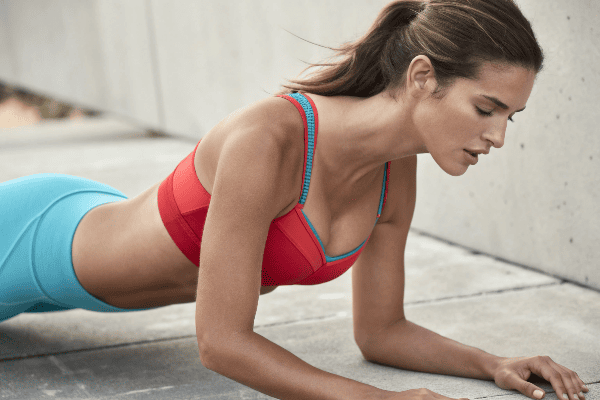
We’ve all been there—pulling a sports bra over our head and wondering, Is this too tight? Or too loose? A good fit is everything when it comes to comfort and support, but many people still guess their way through it.
A sports bra should be snug but not painfully tight. It needs to reduce bounce without restricting breathing or causing chafing. A loose fit won’t offer proper support, while too tight can lead to discomfort or circulation issues.
I still remember training for my first 10K race and realizing halfway through my run that my sports bra was digging into my ribs. That pain taught me something important: fit isn’t just about size—it’s about function and feel.
Table of Contents
- Why should a sports bra be snug and not loose?
- Can a tight sports bra cause health problems?
- How should you choose the right sports bra fit?
- What signs tell you it's time for a new sports bra?
- Conclusion
Why should a sports bra be snug and not loose?
Most of the support comes from compression and fit.
A properly snug sports bra keeps breast movement under control. Loose bras can’t do this, especially during high-impact activities like running or jumping[^1].
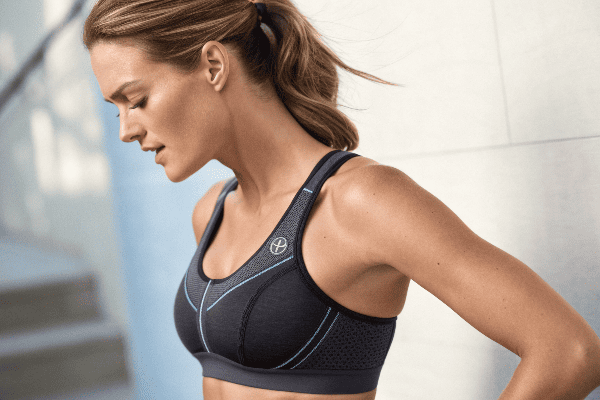
How snug is snug enough?
You should be able to fit two fingers between the band and your skin. The band should lie flat, without riding up. Straps shouldn’t dig in or fall off.
| Feature | Ideal Fit | Too Loose | Too Tight |
|---|---|---|---|
| Band | Firm, level, no gaps | Rides up or shifts during movement | Leaves deep marks or restricts breathing |
| Straps | Stay in place, no digging | Slip off shoulders | Dig into skin |
| Cups | Fully contain breast tissue | Spillover or gaps | Compressed uncomfortably |
For more detailed fit guidance, REI's sports bra fit guide is a great resource.
Can a tight sports bra cause health problems?
Tighter isn’t always better.
Yes, a sports bra that's too tight can cause issues like skin irritation, restricted breathing, or poor circulation if worn for long periods[^2].
Know the warning signs
When a sports bra leaves red marks, causes numbness, or makes it hard to breathe deeply, that’s a red flag. Compression is essential for support—but only within reason.
Over-compression may also lead to issues such as nerve compression or skin infections[^3].
How should you choose the right sports bra fit?
Fit depends on activity level and breast size.
For high-impact workouts, go for compression or encapsulation styles that fit snugly. For low-impact activities, a lighter, more flexible bra is fine.
Matching bra types to activities
| Activity Type | Recommended Fit & Style |
|---|---|
| Yoga / Walking | Light support, stretchable fabric |
| Gym / Cycling | Medium support, breathable materials |
| Running / HIIT | High support, compression or encapsulated |
Make sure to measure both your bust and underbust for the right size. Brands like Nike and Lululemon offer various styles for different needs.
What signs tell you it's time for a new sports bra?
Even the best bras don’t last forever.
If your bra loses elasticity, shifts during workouts, or no longer supports you well, it’s time to replace it.
Check the wear and tear
Pay attention to stretched bands, fraying seams, or cups that no longer shape properly. Most sports bras last 6–12 months with regular use[^4]. Don’t wait until you're uncomfortable to make a change.
Conclusion
A sports bra should feel secure, not suffocating. Fit matters more than size alone—choose comfort, support, and movement all in one. Always listen to your body. A well-fitting sports bra is not a luxury—it’s a necessity.
[^1]: Harvard Health Publishing. “Sports Bras: Why They Matter.” Harvard Health.
[^2]: Cleveland Clinic. “Can Wearing a Bra That's Too Tight Be Harmful?” Cleveland Clinic.
[^3]: PubMed Central. “Bra Strap Syndrome: Case Study.” PMC Article.
[^4]: Under Armour. “When to Replace Your Sports Bra.” Under Armour Blog.