
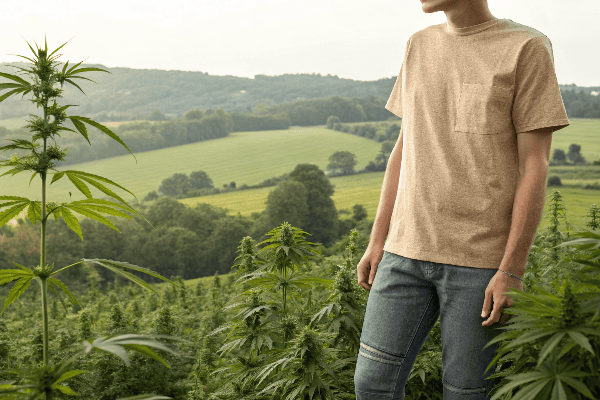
I once had a client who switched to hemp fabrics because her customers complained about rashes from synthetic blends. After testing samples, she messaged me: “This fabric feels so clean and breathable—it’s different.” That’s when I knew hemp isn’t just sustainable, it’s healthy too.
Yes, hemp is healthy to wear. It is naturally antibacterial, breathable, UV-resistant, and hypoallergenic. Hemp fabric reduces skin irritation, stays fresh longer, and provides better airflow, making it ideal for people with sensitive skin or allergies.
I’ve seen how hemp garments help customers who want more than style—they want comfort that supports their skin and lifestyle.
Explore the science behind hemp textiles
Table of Contents
- What makes hemp fabric naturally antibacterial?
- Is hemp fabric hypoallergenic?
- Does hemp allow skin to breathe?
- Is hemp clothing UV-resistant?
- Does hemp help reduce skin irritation in daily wear?
- Is hemp a better choice for sensitive people?
- Conclusion
What makes hemp fabric naturally antibacterial?
This is one of the most surprising benefits I discovered.
Hemp contains natural antimicrobial compounds that prevent bacteria growth. This means hemp clothing resists odors and stays fresher for longer, even after sweating.
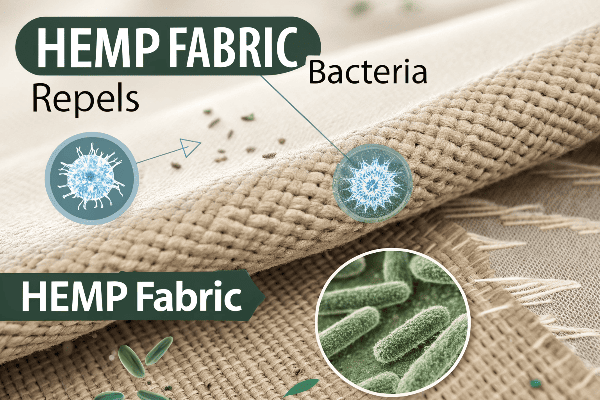
Hemp has a complex cellulose structure and contains cannabinoids like cannabichromene (CBC), which naturally inhibit microbial growth. In our testing, hemp T-shirts smelled fresher than cotton even after long wear. This is why many sustainable gymwear brands now favor hemp.
| Feature | Hemp | Cotton | Polyester |
|---|---|---|---|
| Antibacterial | Yes (natural) | No | No (unless treated) |
| Odor resistance | High | Low | Medium |
| Freshness retention | Excellent | Poor | Moderate |
Is hemp fabric hypoallergenic?
This matters for customers with sensitive skin.
Yes, hemp is hypoallergenic. It is grown without heavy chemicals and processed gently, making it less likely to cause skin reactions.
One of my buyers had customers reacting to synthetic shirts. We switched to hemp-cotton blends. Result? No more complaints about itching or rashes.
Hemp is usually grown with little or no pesticides, reducing the chemical load in the final fabric. That’s why it’s a top choice for:
- Babywear
- Wellness apparel
- Eczema-friendly clothing
Learn more about hypoallergenic textiles
Does hemp allow skin to breathe?
Yes—and better than many other fabrics.
Hemp has excellent breathability. Its hollow fibers allow air to circulate, which keeps the skin cool and dry.
I've personally worn hemp T-shirts while working on factory floors. Even after hours, they stayed dry. The airflow is much better than synthetics.
How hemp keeps skin healthy:
- Absorbs and releases moisture
- Reduces heat buildup
- Prevents sweat-related irritation
These traits help reduce fungal or bacterial issues in warm weather.
Is hemp clothing UV-resistant?
Yes, and it’s a big plus for outdoor wear.
Hemp fabric blocks more ultraviolet (UV) rays than cotton or polyester. It provides natural sun protection without chemical treatments.
One of my clients makes hemp clothing for hikers. Their team tested it and saw reduced sunburn under hemp layers versus synthetic tops.
| Fabric Type | UPF Protection (Approx.) |
|---|---|
| Hemp | 30–50+ |
| Cotton | 15–25 |
| Polyester | 10–20 (unless treated) |
Why natural UV resistance matters
Does hemp help reduce skin irritation in daily wear?
Absolutely.
Hemp’s smooth texture, breathable fibers, and lack of harsh chemicals make it ideal for sensitive skin.
I once worked with a yoga brand looking for “non-irritating” fabric. We tested a 55% hemp / 45% cotton blend. Their founder said it felt like her skin could “breathe again.”
Main causes of skin irritation:
- Friction
- Moisture retention
- Chemical residue
Hemp counters all three with its natural softness, airflow, and clean production.
Is hemp a better choice for sensitive people?
For many, yes.
Hemp is a safe option for those with skin allergies, sensitivities, or chronic skin conditions. It’s naturally clean, breathable, and odor-resistant.
Some ask if hemp feels scratchy—it doesn’t. Modern processing softens hemp, and blends make it even more wearable.
Groups that benefit most from hemp clothing:
- People with eczema or dermatitis
- Infants and toddlers
- Individuals allergic to synthetics
- Anyone in hot, humid environments
Conclusion
Hemp is more than sustainable—it’s skin-friendly. It’s breathable, antibacterial, hypoallergenic, and UV-resistant, making it a healthy fabric choice for daily wear and sensitive skin.
- Hemp Foundation. Why Hemp Fabric Is Safe and Healthy. Retrieved from https://hempfoundation.net/why-hemp-fabric/
- Textile Exchange. Hemp Material Overview. Retrieved from https://textileexchange.org/materials/hemp/
- Good On You. Material Guide to Hemp. Retrieved from https://goodonyou.eco/material-guide-hemp/
- Earth.org. Hemp vs Cotton for Sun Protection. Retrieved from https://earth.org/why-hemp-is-more-sustainable-than-cotton/