
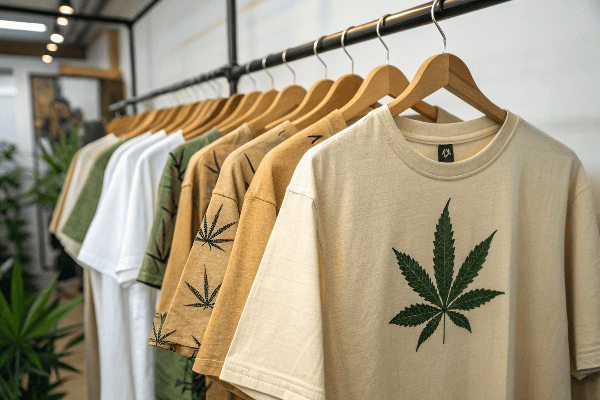
I still remember the first time I touched a hemp T-shirt. It wasn’t what I expected. I thought it would be stiff like burlap. But it was soft, cool, and surprisingly comfortable. That moment changed the way I looked at fabric choices.
Yes, hemp is a great fabric for T-shirts. It’s breathable, durable, moisture-wicking, and eco-friendly. Hemp T-shirts stay cool in hot weather, resist odor, and get softer with every wash, making them ideal for daily wear and sustainable fashion.
One of my clients switched to hemp blends for their streetwear line. Their customers loved the comfort and the green message. Since then, I’ve recommended hemp to anyone seeking performance with purpose.
Explore hemp material standards on Textile Exchange
Table of Contents
- What makes hemp fabric good for T-shirts?
- Is hemp better than cotton for sustainability?
- Do hemp T-shirts feel rough or uncomfortable?
- Is hemp T-shirt fabric durable?
- Does hemp blend well with other fibers?
- Are hemp T-shirts good for printing and branding?
- Conclusion
What makes hemp fabric good for T-shirts?
Not all fabrics behave the same when worn.
Hemp is naturally strong, breathable, and lightweight. It keeps the wearer cool and dry, and its texture becomes softer over time. These traits make it ideal for T-shirts, especially in warm climates.
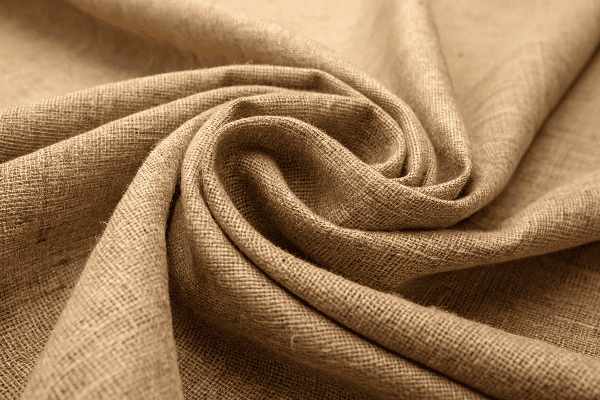
When I compare hemp to cotton, I notice these differences right away:
| Feature | Hemp | Cotton |
|---|---|---|
| Breathability | High | Medium |
| Moisture-wicking | Yes | Not as effective |
| Texture | Crisp, softens with washes | Soft from the start |
| Durability | Very durable | Moderate |
| Antibacterial | Natural resistance to odor | No natural resistance |
Hemp performs better for summer wear. It keeps the body dry and fresh even after long hours outdoors. That’s why more brands use it for casual and activewear T-shirts.
Why hemp is ideal for warm-weather clothing
Is hemp better than cotton for sustainability?
Sustainability is one reason many brands move toward hemp.
Yes, hemp is more eco-friendly than cotton. It requires less water, grows faster, and needs no pesticides. It also improves soil health and captures more carbon.
I’ve worked with both fabrics. Hemp always leaves a smaller footprint in the supply chain.
I like to show this table to my customers:
| Factor | Hemp | Cotton |
|---|---|---|
| Water usage | Very low | Very high |
| Growth time | 90–120 days | 150–180 days |
| Pesticides needed | None | Commonly used |
| Yield per acre | High | Lower |
| Soil impact | Regenerates soil | Depletes soil nutrients |
Hemp vs Cotton environmental impact
Do hemp T-shirts feel rough or uncomfortable?
This is one of the biggest myths I hear.
Modern hemp fabric is not rough. Thanks to softening processes and blending with organic cotton or modal, hemp T-shirts can be soft, flexible, and skin-friendly.
At my factory, we often blend hemp with 30–40% cotton to balance strength and softness. After a few washes, the fabric feels even better.
Hemp fibers are hollow, which allows them to soften without losing shape. I’ve noticed that hemp gets more pleasant to wear after 3–5 washes. Unlike synthetic fabrics, it doesn’t pill or break down quickly.
Is hemp T-shirt fabric durable?
Absolutely—and that’s one of its strengths.
Hemp fibers are stronger than cotton. They resist stretching, tearing, and abrasion, making hemp T-shirts last longer even with daily wear.
I once made hemp-blend uniforms for a coffee chain. After 6 months, their staff said the shirts still looked new. That convinced the client to switch all their promo tees to hemp.
When you compare price vs. lifespan, hemp wins. The upfront cost may be slightly higher, but fewer replacements are needed. For customers who value longevity, this is a win.
Does hemp blend well with other fibers?
Yes, and it opens up a lot of possibilities.
Hemp blends easily with organic cotton, recycled polyester, modal, or bamboo. These blends improve softness and elasticity while keeping hemp’s breathable and sustainable traits.
I help brands choose blends like:
- 55% hemp + 45% organic cotton
- 60% hemp + 40% modal
- 50% hemp + 30% cotton + 20% recycled poly
These formulas give the perfect mix of comfort and performance.
Discover hemp blend developments
Are hemp T-shirts good for printing and branding?
Buyers always ask me this when planning custom collections.
Yes, hemp T-shirts take screen printing and embroidery well. The fabric holds ink clearly and stays stable during printing. Water-based and discharge inks work best.
At my factory, we pre-wash hemp fabric before printing. This avoids shrinkage and ensures a smooth print surface. Most prints on hemp look bold and last long without cracking.
Here’s what I’ve tested:
| Decoration method | Compatibility with hemp |
|---|---|
| Screen printing | Excellent |
| DTG printing | Good, with pre-treatment |
| Embroidery | Excellent |
| Heat transfer | Possible but less common |
Hemp is perfect for eco-printing techniques that align with sustainable branding.
Conclusion
Hemp is a powerful option for T-shirts. It’s breathable, durable, and eco-friendly—perfect for anyone who wants comfort and sustainability in one garment.
- Textile Exchange. Hemp Material Overview. Retrieved from https://textileexchange.org/materials/hemp/
- Good On You. Hemp Fabric Material Guide. Retrieved from https://goodonyou.eco/material-guide-hemp/
- Earth.org. Why Hemp is More Sustainable Than Cotton. Retrieved from https://earth.org/why-hemp-is-more-sustainable-than-cotton/
- Hemp Foundation. Why Hemp Fabric Works. Retrieved from https://www.hempfoundation.net/why-hemp-fabric/
- Global Organic Textile Standard. Water-Based Ink Certification. Retrieved from https://global-standard.org/