

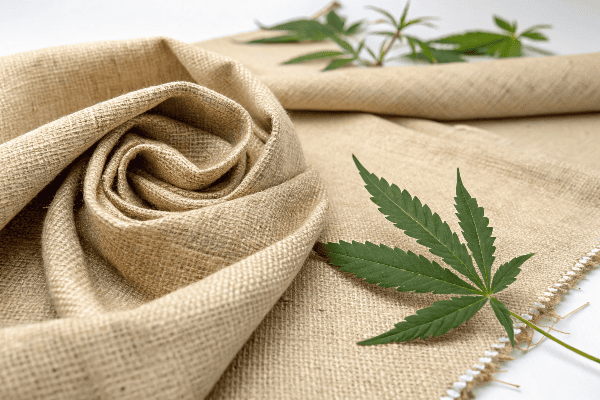
As someone who’s been in the fabric industry for years, I’ve always been on the lookout for materials that combine sustainability with performance. Hemp caught my attention as a natural fabric with immense potential, especially for sports. Hemp has been around for centuries, but can it stand up to the needs of modern sports apparel?
Hemp is a surprisingly good performance fabric for sports due to its strength, breathability, and moisture-wicking properties. While it’s not as commonly used as synthetic fabrics, hemp is gaining popularity in sportswear because it offers a natural alternative with high durability and environmental benefits.
I remember my first experience with hemp sportswear—it felt different but incredibly breathable and strong. Let’s explore why hemp might be a great choice for performance sports fabric and where it could be used.
Table of Contents
- What makes hemp a good performance fabric?
- How does hemp compare to synthetic sports fabrics like polyester?
- What are the benefits of hemp in sportswear?
- Does hemp fabric offer moisture-wicking properties?
- Are there any drawbacks to using hemp in sportswear?
- Conclusion
What makes hemp a good performance fabric?
Hemp has earned its reputation for durability, and it turns out it has many of the qualities needed in sportswear too.
Hemp fabric is strong, lightweight, and naturally breathable, making it an ideal option for sportswear. Unlike cotton, hemp fibers are more robust, allowing the fabric to withstand intense movement and frequent washing.
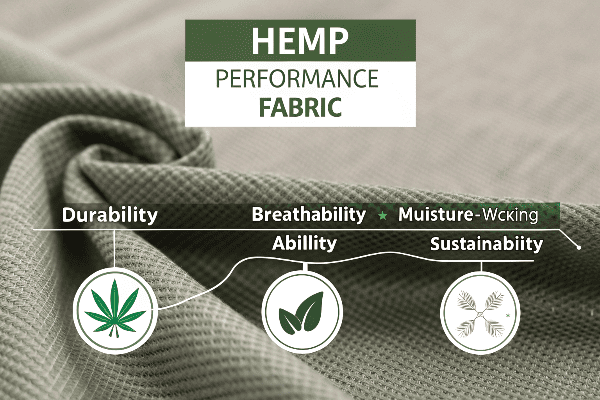
Why choose hemp for sports fabrics
- Strength
Hemp fibers are some of the strongest natural fibers available. This means hemp fabric resists wear and tear, which is essential for active wear that needs to stand up to regular use. - Breathability
The weave of hemp allows air to circulate freely, which keeps you cool during workouts. - Sustainability
Hemp is one of the most eco-friendly fabrics, requiring fewer resources to grow compared to cotton, making it a sustainable choice for sports apparel.
Hemp Benefits for Sports Performance
| Feature | Benefit |
|---|---|
| Strong fibers | High durability |
| Breathability | Keeps you cool |
| Sustainable | Eco-friendly alternative |
Learn more about sustainable fabrics for sportswear on REI’s guide to eco-friendly fabrics[^1].
How does hemp compare to synthetic sports fabrics like polyester?
When it comes to performance, many sports fabrics are made from synthetic materials like polyester or nylon. But how does hemp measure up to these?
Hemp, when blended with other materials like cotton or polyester, can rival synthetic fabrics in terms of performance. Alone, hemp is breathable but may not have the same moisture-wicking properties as polyester. However, it’s a more sustainable option, and with the right blends, it can provide comparable performance.
Hemp vs. Polyester
- Polyester
Polyester is a moisture-wicking champion. It dries quickly and is excellent at staying dry during intense activities. - Hemp
While hemp doesn’t dry as quickly as polyester, it’s naturally breathable, which helps with temperature regulation during physical activities.
Hemp vs. Synthetic Fabrics
| Fabric Type | Pros | Cons |
|---|---|---|
| Polyester | Quick-drying, moisture-wicking | Less eco-friendly |
| Hemp | Durable, breathable, eco-friendly | Slower drying, rougher texture |
For a closer comparison of synthetic and natural fabrics, visit Nike’s sports fabric technology[^2].
What are the benefits of hemp in sportswear?
Hemp fabric has unique benefits that make it a great choice for activewear, including its eco-friendly nature and natural comfort.
Hemp is highly durable, eco-friendly, and breathable, making it an excellent material for both everyday activewear and high-performance sports. It’s also naturally resistant to UV light and mold, which can be useful in both indoor and outdoor settings.
The versatility of hemp
- UV Protection
Hemp naturally offers a high level of UV protection, which can be valuable for outdoor sports like hiking or cycling. - Mold resistance
Hemp fabrics resist mold and mildew, making them suitable for high-moisture environments, like in sports requiring intense sweating or outdoor adventures.
Does hemp fabric offer moisture-wicking properties?
Hemp is naturally absorbent and can handle moisture, but does it wick sweat as well as synthetic materials?
Hemp is absorbent, which means it can hold moisture. However, it doesn't wick moisture away from the body as efficiently as polyester. Blending hemp with moisture-wicking materials can enhance its performance in this regard.
How hemp handles moisture
- Absorption
Hemp absorbs moisture naturally, which helps keep the fabric dry in cooler weather. - Blended fabrics
Hemp blends with polyester or cotton can improve moisture-wicking properties, making it a better choice for sportswear.
Learn more about moisture-wicking fabrics in sportswear on Fabric.com’s performance fabrics guide[^3].
Are there any drawbacks to using hemp in sportswear?
Despite its many advantages, hemp fabric does have some drawbacks in performance sportswear.
Hemp fabric is more rigid compared to synthetic fabrics. It tends to be rougher, which can be uncomfortable for skin-sensitive athletes. Also, hemp tends to wrinkle easily and may not have the same level of stretch that synthetic fabrics like spandex provide.
Hemp’s limitations
- Stiffness
Hemp fabric can be stiff, especially when compared to fabrics like cotton or polyester, which can feel softer. - Limited stretch
Hemp doesn’t have the stretchiness that some synthetic fibers, like elastane or spandex, offer.
Pros and Cons of Hemp Fabric
| Pros | Cons |
|---|---|
| Durable, strong | Rough texture |
| Breathable, eco-friendly | Limited flexibility |
| UV and mold-resistant | Wrinkles easily |
Conclusion
Hemp is indeed a good performance fabric for sportswear. While it may not match synthetic fabrics in every area, its natural benefits like breathability, strength, and sustainability make it an excellent choice for eco-conscious athletes. Combining hemp with other fibers can help overcome some of its limitations, making it a versatile material for sports apparel.
[^1]: REI – Eco-friendly Fabrics Guide
[^2]: Nike – Sports Fabric Technology
[^3]: Fabric.com – Performance Fabrics Guide