
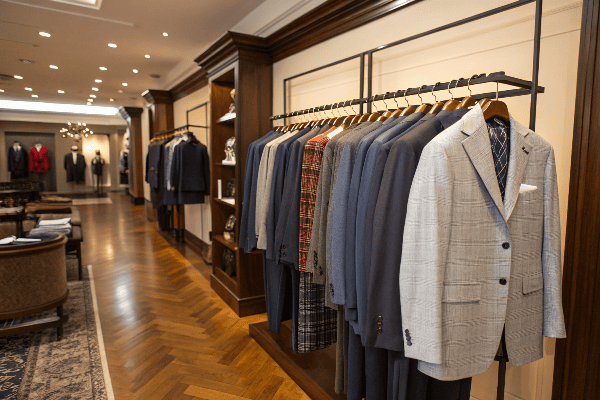
Many people worry that custom clothing costs too much. They think only big brands or luxury buyers can afford it. This fear stops them from exploring custom production.
Custom clothing is not always expensive. The cost depends on quantity, fabric, style, decoration methods, and factory location. With the right manufacturer, custom clothing can be close to regular wholesale prices while giving unique value.
I still remember when I made my first small batch for a client. They were surprised that the price was less than they thought. That experience made me see how important it is to explain cost clearly.
Table of contents
- What factors decide if custom clothing is expensive?
- Can small batch custom clothing still be affordable?
- Does custom clothing always cost more than ready-made?
- How can I plan a budget for custom clothing?
- Conclusion
What factors decide if custom clothing is expensive?
Every price has a reason. I learned early that cost is not just a number. It comes from many parts of the process.
The main factors that decide the cost of custom clothing are the order quantity, fabric choice, level of customization, decoration techniques, and the location of the factory.
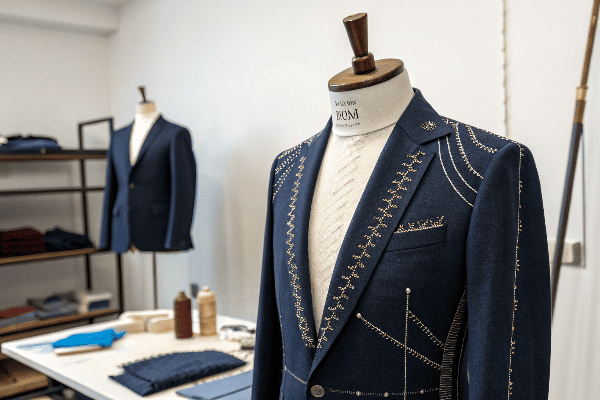
For a more detailed explanation, you can also explore guides on how clothing manufacturing works or global apparel sourcing practices.
Order quantity
When I start a new order, the first question I ask is how many pieces the client needs.
- Small orders (under 50 pieces) have high unit prices.
- Medium orders (50–300 pieces) balance cost and flexibility.
- Large orders (500+ pieces) bring down the cost per piece.
Fabric choice
| Different fabrics come with different price tags. | Fabric Type | Cost Impact |
|---|---|---|
| Cotton (basic) | Lower | |
| Blended fleece | Medium | |
| Organic cotton or bamboo | Higher | |
| Technical fabrics | Higher |
Customization level
If you ask for special patterns, washes, or cuts, the process takes more time. A simple T-shirt is less expensive than a multi-panel jacket.
Decoration techniques
Screen printing is cheaper. Embroidery, puff print, digital print, and rhinestone work add more cost. You can see examples of printing vs embroidery in manufacturing.
Factory location
Factories in China, Vietnam, and Bangladesh often provide better prices than those in Europe or the US.
Can small batch custom clothing still be affordable?
Many clients think small orders always mean very high cost. But I found ways to help them control price.
Small batch custom clothing can be affordable if you use simpler fabrics, fewer customization options, and work with a factory that offers low minimum order quantities.
When I work with small brands, I suggest:
- Use basic fabric for the first batch.
- Choose one decoration method instead of several.
- Avoid overcomplicated patterns at the start.
Why factories agree to small batch orders
Building long-term partnerships
Factories see potential in new brands. Accepting small orders now can lead to big orders later.
Keeping machines busy
Sometimes a factory has gaps in the schedule. Small orders help them fill those gaps.
Testing designs
A small batch lets both the client and the factory test the design before mass production. It reduces risk for everyone.
Does custom clothing always cost more than ready-made?
This question comes up in every meeting. Many buyers believe ready-made is cheaper. It is often true, but not always.
Custom clothing usually costs more than ready-made when orders are small. When orders are large, the cost difference can be very small. In some cases, custom products can even cost less if planned well.
When custom costs less
Bulk discounts
Large orders get better fabric prices and better efficiency in sewing. That lowers cost.
Less inventory waste
When you custom produce, you only make what you need. This avoids unsold stock, which can be a hidden cost.
Better branding value
The value of custom products is higher. Even if the cost is a little more, the return on branding can be big. Read more about branding benefits.
How can I plan a budget for custom clothing?
Planning is key. I always tell new clients to write down three things: style, quantity, and decoration. That helps set a clear budget.
To plan a budget for custom clothing, start with a clear design, confirm your target quantity, and share this with a trusted factory. Get a detailed quotation that includes fabric, decoration, and shipping.
My process for cost planning
Step 1: Decide on core items
Do not start with 10 styles. Pick 2–3 core items. It saves time and cost.
Step 2: Create clear tech packs
When you provide full details—measurements, colors, decoration—the factory can quote without adding “extra risk” pricing. Tools like Techpacker help with this.
Step 3: Balance speed and cost
Air shipping is faster but adds cost. Sea shipping is slower but cheaper. I explain this to every client so they can plan.
Conclusion
Custom clothing can be expensive, but with smart planning, clear designs, and the right factory, it can be cost-effective and even close to wholesale prices.