
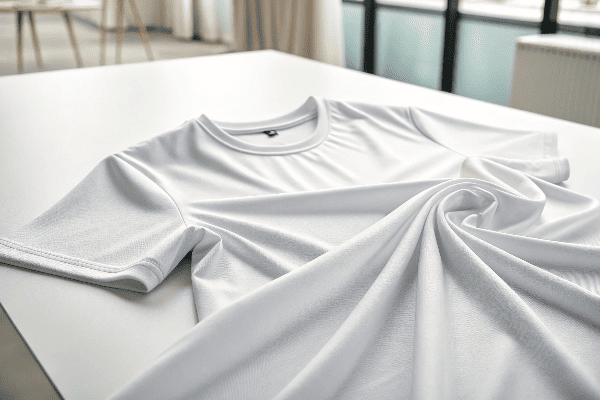
When I first tested a microfiber T-shirt for one of our activewear lines, I was surprised. It dried quickly, felt ultra-light, and looked premium. But then came questions from clients—especially about its environmental impact and long-term comfort.
Microfiber T-shirts are excellent for performance and sports due to their lightweight, quick-drying, and moisture-wicking properties. However, they’re made from synthetic fibers like polyester, which may shed microplastics and are not biodegradable.
So, while they’re great functionally, they come with trade-offs—especially for brands concerned about sustainability.
Table of Contents
- What is a microfiber T-shirt made of?
- What are the benefits of microfiber T-shirts?
- Are there any downsides?
- Conclusion
What is a microfiber T-shirt made of?
Most microfiber T-shirts are synthetic, but what does that really mean?
A microfiber T-shirt is typically made from very fine polyester or nylon threads that are woven tightly to create a smooth, durable, and breathable fabric.
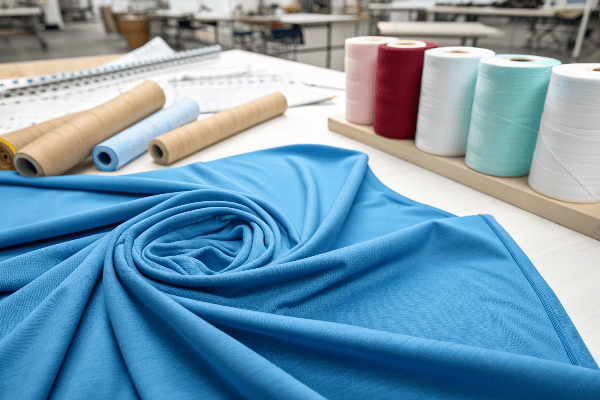
Key characteristics of microfiber fabric:
| Feature | Description |
|---|---|
| Fiber Diameter | Finer than a human hair |
| Common Materials | Polyester, nylon, or blends |
| Texture | Smooth, soft, often with a slight sheen |
| Performance | Quick-drying, moisture-wicking, stretchable |
Microfiber’s fineness allows it to trap moisture efficiently, which is why it’s used in everything from sportswear to high-performance cleaning cloths[^1].
When we launched a microfiber running tee, athletes praised its feel and sweat control—even in high-heat workouts.
What are the benefits of microfiber T-shirts?
From athletes to outdoor workers, microfiber shirts have clear advantages.
Microfiber T-shirts are breathable, lightweight, and designed to keep the body cool and dry, making them ideal for workouts, sports, or travel.
Why people love microfiber:
- Doesn’t retain moisture like cotton
- Dries quickly after washing
- Often has UV protection and odor control
- Resistant to wrinkles and shrinking
The material is also commonly used in moisture-wicking sportswear, which helps regulate body temperature during exercise[^2].
For one client in the Middle East, microfiber T-shirts became a best-seller due to their cooling effect and sand resistance—something cotton couldn’t offer.
Are there any downsides?
Microfiber isn’t perfect, especially if your brand emphasizes eco values.
The biggest issue with microfiber T-shirts is that they release microplastics during washing, which can pollute waterways. They're also non-biodegradable and often petroleum-based.
Environmental trade-offs:
| Concern | Details |
|---|---|
| Microplastic Pollution | Fibers can shed into water with each machine wash |
| Non-Biodegradable | Takes hundreds of years to decompose |
| Fossil Fuel Origin | Made from petroleum-based synthetics |
According to Ocean Conservancy, microfibers account for 35% of microplastics in marine environments[^3]. One buyer asked us to explore recycled polyester microfiber as a compromise—it wasn’t perfect, but it helped reduce virgin plastic use.
Some companies are now offering recycled microfiber fabrics sourced from ocean plastic, which may be a good transitional solution[^4].
Conclusion
Microfiber T-shirts are great for comfort and performance but less ideal for sustainability. If you’re targeting activewear markets, they work. But if eco-friendliness is your priority, explore recycled or blended options.
Before making your next order, weigh the pros and cons carefully—and consider solutions like washing bags that capture microplastics[^5].
[^1]: Scientific American. "How Do Microfiber Cloths Work?" https://www.scientificamerican.com/article/how-do-microfiber-cloths-work/
[^2]: REI. "Running Clothing: How to Dress for Comfort and Performance." https://www.rei.com/learn/expert-advice/running-clothing.html
[^3]: Ocean Conservancy. "Microplastics Don’t Just Wash Away." https://oceanconservancy.org/blog/2021/03/22/microplastics-dont-wash-away/
[^4]: Parley for the Oceans. "Avoiding Virgin Plastic Through Recycled Ocean Waste." https://www.parley.tv/
[^5]: Guppyfriend. "Microplastic Prevention Washing Bag." https://www.guppyfriend.com/en/