
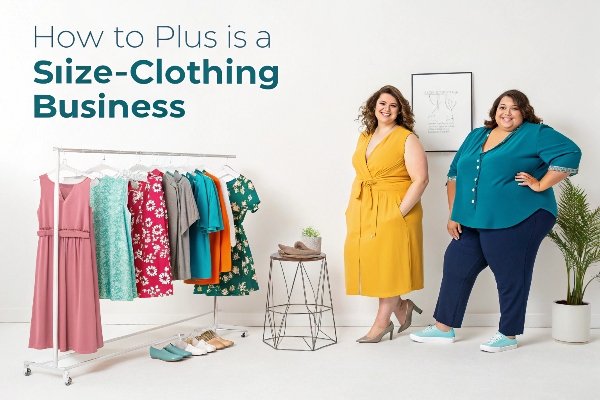
The plus-size market is underserved—but growing fast. If you've noticed that most brands ignore full-size consumers, you're not alone. Now is the perfect time to make a difference.
To start a plus-size clothing business, you need to define your niche, create inclusive sizing patterns, work with a factory experienced in grading, test for fit and comfort, and build a brand that respects all bodies.
When I helped launch a plus-size loungewear line, we didn’t just grade up—we redesigned everything for real comfort and real curves. It changed how we viewed apparel entirely.
Table of Contents
- What is the size gap in the fashion industry?
- What products should you launch first?
- How is plus-size clothing different in production?
- Where to find plus-size clothing manufacturers?
- How do you brand and market your plus-size line?
- Conclusion
What is the size gap in the fashion industry?
Most brands stop at XL—but many customers don’t.
The majority of women in the U.S. wear size 14 or above, yet most mainstream brands focus on sizes XS–L. This creates a massive opportunity for inclusive, body-positive apparel lines.
| Region | % of Plus-Size Consumers | Average Size Sold |
|---|---|---|
| United States | ~67% of women[^1] | Size 16–18 |
| Europe | ~50% of women | Size 14–16 |
| Australia | ~60% of women | Size 16 |
By focusing on this market, you’re not just meeting demand—you’re filling a gap.
What products should you launch first?
Start with categories that are hard to find in inclusive sizes.
Choose garments where comfort, stretch, and silhouette matter: basics, loungewear, athleisure, and dresses are good entry points.
| Product Category | Why It Works |
|---|---|
| Plus-size leggings | High demand, stretch-driven |
| Relaxed dresses | Flattering fit, easier grading |
| Loungewear sets | Comfort-first, perfect for gifting |
| T-shirts & tanks | Great base for size testing |
| Activewear | Lacks real inclusive sizing in market |
Start with 2–3 hero items that solve real fit frustrations.
How is plus-size clothing different in production?
You can’t just grade up—you must reengineer.
Plus-size clothing requires careful attention to pattern drafting, bust and hip shaping, sleeve armhole design, and fabric stretch percentage. Fit testing is non-negotiable.
Key Adjustments in Plus-Size Design
| Design Element | Adjustment Needed |
|---|---|
| Necklines | Avoid gaping when graded |
| Waistbands | Add comfort bands or elastic zones |
| Hips & Bust | Shape adjustments vs just scale |
| Sleeve Lengths | Adjust for proportion, not just length |
| Seams & Stitching | Reinforced for durability |
🧵 DeCheng Garment helps fashion brands develop true-to-body plus-size patterns, not just size extensions.
Where to find plus-size clothing manufacturers?
Experience is key—most factories are not size-inclusive.
Choose manufacturers who’ve worked with inclusive brands and understand curve grading, fabric elasticity, and fit testing. Ask for past examples.
| Manufacturer Type | What to Look For |
|---|---|
| OEM Apparel Factory | Real grading experience, low MOQ |
| ODM Suppliers | Ready-to-use patterns for testing |
| Pattern Studios | Help develop plus-size tech packs |
You can find reputable manufacturers on Maker’s Row or through Sourcing Playground which filters for ethical suppliers[^2].
Always test samples on live models in each size group.
How do you brand and market your plus-size line?
Show respect, not pity—and never use generic stock models.
Create a brand voice that celebrates confidence, comfort, and real bodies. Feature diverse models, offer real size charts, and create content that empowers.
Marketing Checklist:
- Use models in sizes 14, 18, and 22+
- Share “fit test” videos to build trust
- Create body-positive brand messaging
- Build a sizing quiz to reduce returns
- Share your why: Why you chose to do this
Look to inclusive brands like Universal Standard and 11 Honoré for inspiration on representation done right[^3].
Conclusion
Launching a plus-size clothing business is about more than bigger sizes. It’s about designing with intention, producing with care, and celebrating people of all body types. Do it right, and your brand will earn loyalty others only dream of.
[^1]: CDC Data on Women’s Clothing Size in U.S.
[^2]: Sourcing Playground – Ethical Apparel Manufacturing
[^3]: Universal Standard – Fit Liberty Program