
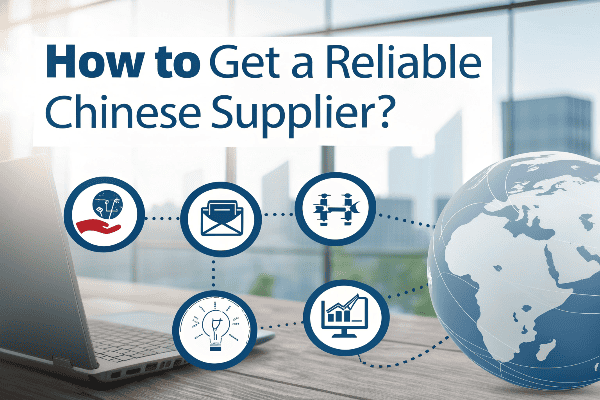
Finding a Chinese supplier seems easy—there are thousands online. But finding one that’s reliable and delivers quality on time? That’s the hard part. Many businesses lose money due to poor vetting.
To get a reliable Chinese supplier, you need to combine online research with direct verification—check certifications, review samples, visit factories, and confirm communication efficiency before placing bulk orders.
When I started sourcing apparel in China, I wasted weeks on smooth talkers who never delivered. What changed everything? A process. Here’s what I now follow and recommend to others.
Table of Contents
- Where should I look for Chinese suppliers?
- What red flags should I watch out for?
- How do I verify a supplier is legit?
- What’s the best way to build a strong relationship?
- Conclusion
Where should I look for Chinese suppliers?
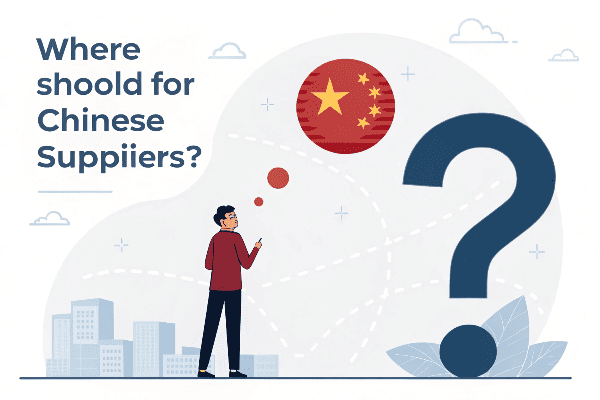
Start with trusted platforms, directories, and trade shows.
The best places to search include Alibaba[^1], Made-in-China, Global Sources, and physical exhibitions like the Canton Fair and CHIC.
Supplier discovery channels
| Source | Advantages | Risks |
|---|---|---|
| Alibaba | Ratings, chat tools, trade assurance | Some suppliers fake reviews |
| Made-in-China | Great for industrial goods | Smaller supplier base |
| Global Sources | Better for electronics and apparel | Harder to vet small factories |
| Canton Fair | Direct face-to-face, sample inspection | Travel cost and timing |
Don’t rely on one platform. Cross-check suppliers across sources if possible.
What red flags should I watch out for?
Some suppliers look legit but can’t deliver quality or meet timelines.
Watch for inconsistent communication, refusal to share business licenses, unwillingness to provide samples, or factories that quote prices too low to be real.
Red flag checklist
- No verifiable company name or registration
- Hesitates to sign contracts or use Trade Assurance[^2]
- Poor English or vague answers to your product specs
- Won’t offer video call or factory walkthrough
- Quotes that are 30–50% cheaper than average
If it feels off, it probably is. Reliable suppliers want long-term business.
How do I verify a supplier is legit?
Use documentation, video verification, and third-party inspections.
Ask for their business license, export license, and factory certificates. Then request a live video call, sample product, or on-site audit using a third-party service.
Verification steps
| Method | What to Look For |
|---|---|
| Business license | Company name, address, registration |
| ISO / BSCI certification | Factory standards and working conditions |
| Sample product | Matches specs, clean finishing |
| Live video tour | Real working space, not rented office |
| Third-party audit | Firms like SGS, TÜV, QIMA |
These steps cost time—but save thousands later.
What’s the best way to build a strong relationship?
Good suppliers want repeat clients just like you want reliability.
Communicate clearly, pay on time, and start with small orders. Visit them if possible, and show you're serious about long-term cooperation.
Relationship-building tips
- Use a simple tech pack or product brief
- Follow up regularly and professionally
- Send feedback with each batch
- Consider WeChat or email for daily contact
- Negotiate win-win—not rock-bottom pricing
Mutual respect leads to smoother production and fewer issues.
Conclusion
To get a reliable Chinese supplier, you need a system—not just a good price. Use trusted platforms, request proper documents, verify with samples or video calls, and build a relationship based on transparency and respect.
[^1]: Alibaba – Global B2B Sourcing Marketplace: https://www.alibaba.com/
[^2]: Trade Assurance – Alibaba’s Order Protection Service: https://tradeassurance.alibaba.com/