
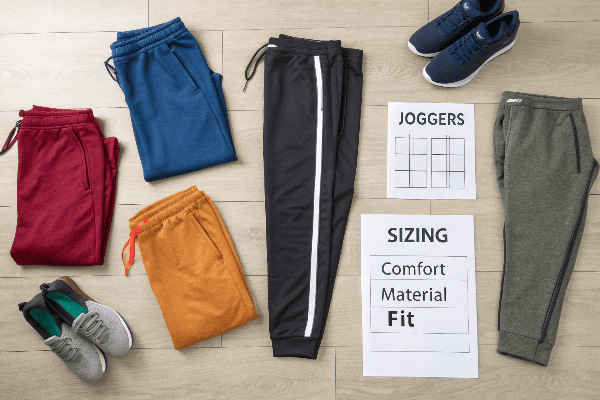
Joggers are no longer just gym wear—they’ve become a wardrobe staple. But with so many styles, cuts, and fabrics out there, choosing the right pair can feel overwhelming.
To choose joggers, consider the fit (slim or relaxed), fabric (fleece, cotton, performance), purpose (workout, lounge, streetwear), and key features like waistband, cuffs, and pockets. A good pair balances comfort, mobility, and your personal style.[^1]
I used to buy joggers based on price alone—until I found a pair that fit like they were tailored for me. Since then, I’ve never looked back. The right joggers feel like pajamas but look like confidence.
Table of Contents
- What fit is right for you?
- Which fabric should you choose?
- What features should joggers have?
- How to pick joggers for different occasions?
- Conclusion
What fit is right for you?
Fit affects both comfort and style.
Joggers come in slim, regular, and relaxed fits. Slim joggers are sleek and modern. Relaxed joggers offer more room and a casual vibe. Choose based on your body shape and where you’ll wear them.[^2]
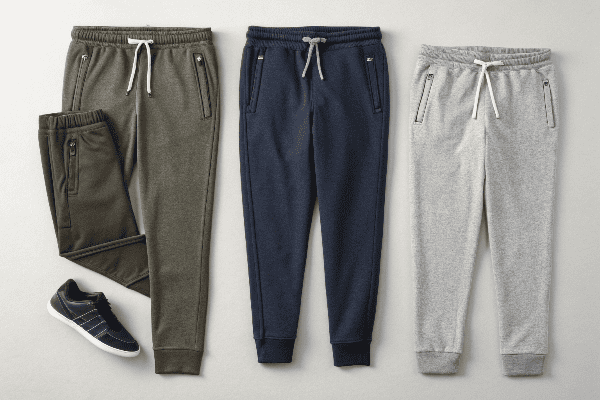
Jogger fit comparison
| Fit Type | Characteristics | Best For |
|---|---|---|
| Slim/Tapered | Snug legs, elastic cuffs | Athleisure, errands, layering |
| Regular | Straight cut with slight taper | Everyday comfort, casual wear |
| Relaxed | Roomy through hips and thighs | Lounging, oversized styling |
Try moving in them—sit, squat, walk. Comfort and mobility are key.
Which fabric should you choose?
Fabric affects warmth, breathability, and style.
Choose fleece for warmth, cotton for softness, and performance fabrics (like polyester blends) for workouts or hot weather.[^3]
Fabric breakdown
| Fabric Type | Feel & Function | Ideal For |
|---|---|---|
| Cotton/French Terry | Soft, breathable, natural | Lounging, casual wear |
| Fleece | Warm, brushed interior | Cold weather, cozy days |
| Polyester Blend | Lightweight, quick-drying, flexible | Workouts, outdoor activity |
| Nylon/Spandex Mix | Stretchy and technical | Running, yoga, daily commute |
Higher GSM (grams per square meter) means a thicker, heavier fabric.[^4]
What features should joggers have?
Small details make a big difference.
Look for elastic waistbands with drawstrings, zippered or deep pockets, cuffed hems, and reinforced seams for durability.
Key design elements
- Waistband: Adjustable drawstrings prevent sagging
- Pockets: Zippered side or back pockets are practical for keys/phones
- Cuffs: Ribbed cuffs give a clean, tapered finish
- Seams: Flatlock stitching reduces chafing and adds durability
- Rise: Mid-rise fits most comfortably; high-rise can flatter longer legs
For reference, Nike's jogger product guide offers examples of design choices across their lines.
How to pick joggers for different occasions?
Match the jogger style to the setting.
Wear joggers with clean lines and minimal branding for public outings. Go for cozy fleece at home. Opt for performance joggers at the gym.
Joggers by use case
| Purpose | Recommended Jogger Style |
|---|---|
| Gym/Running | Lightweight, moisture-wicking, stretchable |
| Travel | Slim-fit, wrinkle-resistant, zip pockets |
| Lounging | Relaxed fit, soft cotton or fleece |
| Streetwear | Tapered with graphic elements or contrast panels |
| Work-from-home | Clean-cut, neutral color, not too baggy |
Explore Huckberry's activewear collection for curated jogger options by activity and setting.
Conclusion
To choose the right joggers, consider fit, fabric, and function. The perfect pair should feel effortless, match your daily needs, and make you feel confident—whether you're lounging or on the go.
[^1]: Esquire: How to Wear Joggers Like an Adult
[^2]: Men's Jogger Fit Guide – GQ
[^3]: Healthline: Best Fabrics for Activewear
[^4]: REI Co-op: How to Choose Workout Clothes