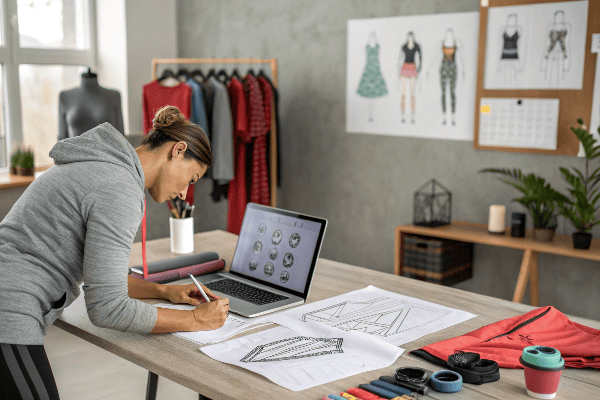
Starting an activewear brand isn’t just about putting your logo on leggings. You need to stand out in a crowded market, create performance-based products, and build a strong brand. Many people get stuck between the idea and execution. This guide is for those ready to take action.
To create your own activewear brand, you must define your niche, develop your brand identity, create performance-oriented designs, find the right manufacturer, and launch with a smart marketing plan.
For an overview of building an apparel brand, check Shopify's Apparel Guide[^1].
I’ve helped brands go from zero to their first product drop. Some started with just one yoga set and later expanded into full gymwear collections. The steps aren’t complicated—but you have to follow them precisely.
Table of Contents
- What niche should you target in the activewear market?
- How do you build a brand identity for your activewear line?
- How do you design your activewear collection?
- How do you find a manufacturer for your activewear brand?
- How should you price and launch your activewear products?
- How do you grow and scale your activewear brand?
- Conclusion
What niche should you target in the activewear market?
The activewear market is huge, but you can’t serve everyone. Choosing a niche helps you stay focused and speak clearly to a specific customer.
Choose your niche based on activity type, gender, style preference, or values like sustainability.
For niche inspiration, explore TrendHunter's activewear reports[^2].
Examples of activewear niches
| Niche | Audience Type | Key Features |
|---|---|---|
| Yoga & Pilates | Women, 25–45 | Soft stretch fabric, high waist fit |
| Gym & bodybuilding | Men & women, 18–35 | Compression gear, sweat-resistant |
| Athleisure fashion | Urban women, 20–40 | Trendy cuts, wearable outside gym |
| Sustainable activewear | Eco-conscious consumers | Recycled fabric, ethical sourcing |
| Outdoor performance | Runners, hikers | Breathable, UV-resistant materials |
How do you build a brand identity for your activewear line?
Your brand identity is how customers remember you. It’s more than a logo—it's your voice, your mission, your aesthetic.
Create a name, logo, mission statement, and consistent visual identity that connects with your target customer.
For logo creation, try Looka or Tailor Brands[^3].
Brand identity checklist
- Name: Short, memorable, and available as a domain.
- Logo: Looks good on clothing tags and packaging.
- Mission: Clear, emotional statement of purpose.
- Tone of voice: Friendly, empowering, minimal—whatever fits your audience.
- Visuals: Pick a color palette, font style, and layout style for your brand.
| Element | What It Does |
|---|---|
| Name | Represents your message |
| Logo | Helps people recognize your product |
| Mission Statement | Builds trust and emotional connection |
| Color/Font Style | Creates consistent visuals |
How do you design your activewear collection?
This is where your ideas come to life. Unlike casualwear, activewear needs performance—it must stretch, support, and last.
Use detailed tech packs to specify fabric, fit, construction, measurements, and branding details for each product.
Learn how to build tech packs at Techpacker[^4].
What goes into a tech pack?
| Tech Pack Element | Description |
|---|---|
| Flat Sketches | Front, back, and side drawings |
| Measurement Specs | Full sizing table (S–XL) |
| Fabric Details | Fabric type, weight (GSM), stretch % |
| Construction Notes | Stitching type, seam positions |
| Branding Placement | Logo size and position (print or embroidery) |
| Color Options | Final colorways with Pantone codes |
How do you find a manufacturer for your activewear brand?
Not every clothing factory can make good activewear. You need a factory with performance fabric experience and strong QC.
Look for a manufacturer that offers technical fabrics, low MOQs, sampling, and custom branding options.
Find verified suppliers at Fibre2Fashion or Maker’s Row[^5].
What to look for in a good factory
- Specialization: Ask if they’ve made leggings, bras, or gymwear before.
- Sampling: Make sure they offer sample making before bulk production.
- MOQ: For small brands, aim for 50–100 pcs per style.
- Branding: Heat transfer printing, embroidery, custom packaging.
- Speed: 7–14 days for samples, 25–35 days for bulk.
| Factory Feature | Why It Matters |
|---|---|
| Activewear Experience | Ensures proper stitching and stretch |
| MOQ Flexibility | Lets you test the market affordably |
| Fabric Sourcing | Critical for fit and feel |
| Private Label Options | Custom labels, tags, packaging |
How should you price and launch your activewear products?
You’ve got the product—now it’s time to bring it to market.
Use cost-based pricing to ensure profit and build a launch plan that includes your website, social media, and influencers.
For DTC store setup, use Shopify[^6] or WooCommerce.
Pricing basics
| Cost Type | Amount (USD) |
|---|---|
| Fabric + Sewing | $6.00 |
| Printing + Tags | $2.00 |
| Packaging | $1.50 |
| Total Unit Cost | $9.50 |
| Retail Price | $38–42 |
Launch Steps
- Create a Shopify website
- Build an Instagram and TikTok brand page
- Take high-quality lifestyle photos
- Use pre-orders or limited drops
- Collaborate with fitness creators
How do you grow and scale your activewear brand?
After launch, you need to think about growth—building loyalty, expanding your line, and scaling up marketing.
Use email marketing, repeat drops, customer feedback, and influencer outreach to scale your brand.
Consider tools like Klaviyo for email automation and Growave for loyalty programs[^7].
What works?
- Email list: Send drop alerts, fitness tips, and product care guides.
- Loyalty program: Offer discounts or free shipping for repeat buyers.
- Product drops: Keep inventory fresh and create scarcity.
- Influencer UGC: Ask customers to tag your brand for re-shares.
| Growth Strategy | Why It Works |
|---|---|
| Email Campaigns | Build customer loyalty |
| Influencer Partnerships | Expand reach quickly |
| Flash Sales | Create urgency, move stock |
| Customer Reviews | Increase trust and conversions |
Conclusion
To create your own activewear brand, start with a focused niche, strong brand identity, and performance-focused design. Work with a reliable factory, launch smart, and build long-term growth through community and customer feedback. With the right approach, your idea can become a profitable brand.
[^1]: Shopify Guide – How to start a clothing line: Shopify Blog
[^2]: TrendHunter – Market insights on activewear brand trends: TrendHunter Report
[^3]: Tailor Brands – Create brand identity assets easily: Tailor Brands
[^4]: Techpacker – Build and manage your tech packs online: Techpacker
[^5]: Fibre2Fashion – Global fashion manufacturing marketplace: F2F
[^6]: Shopify – Launch your e-commerce activewear store: Shopify.com
[^7]: Klaviyo & Growave – Tools for scaling and loyalty: Klaviyo, Growave