
title: "How a Professional T-Shirt Manufacturer Creates Best-Selling Tees in 2025"
meta_description: "Learn how a professional T-shirt manufacturer produces best-selling tees through fabric selection, trend-driven design, advanced printing techniques, and strict quality control."
canonical: "https://yourwebsite.com/how-tshirt-manufacturers-produce-best-selling-tees"
How a Professional T-Shirt Manufacturer Creates Best-Selling Tees in 2025
The demand for custom T-shirts continues to grow worldwide, especially across fashion brands, streetwear labels, fitness companies, and promotional businesses. As a professional T-shirt manufacturer in China, I often receive the same question from clients:
“What makes a T-shirt a best-seller?”
This article explains the full journey — from market research to final packaging — and shows how manufacturers create high-quality T-shirts that customers love and brands reorder month after month.
📌 Table of Contents
- Understanding Market Trends
- Choosing Fabrics That Customers Love
- Design & Pattern Development
- Printing & Embroidery Techniques
- T-Shirt Production Process
- Quality Control & Testing
- Packaging & Shipping
- Final Thoughts
Understanding Market Trends
Before any fabric is cut or any design is printed, market insight is the most important step. A best-selling T-shirt always reflects what customers already want.
Brands usually research:
- Top-selling categories on Google & Amazon
- Trending TikTok & Instagram fashion topics
- Seasonal color forecasts
- Print and graphic design trends
- Consumer preferences (oversized fit, heavyweight cotton, vintage washes)
This gives manufacturers clear direction to build products that match global demand.
🖼️ Image 1
Factory Workshop – Sewing T-Shirt Panels
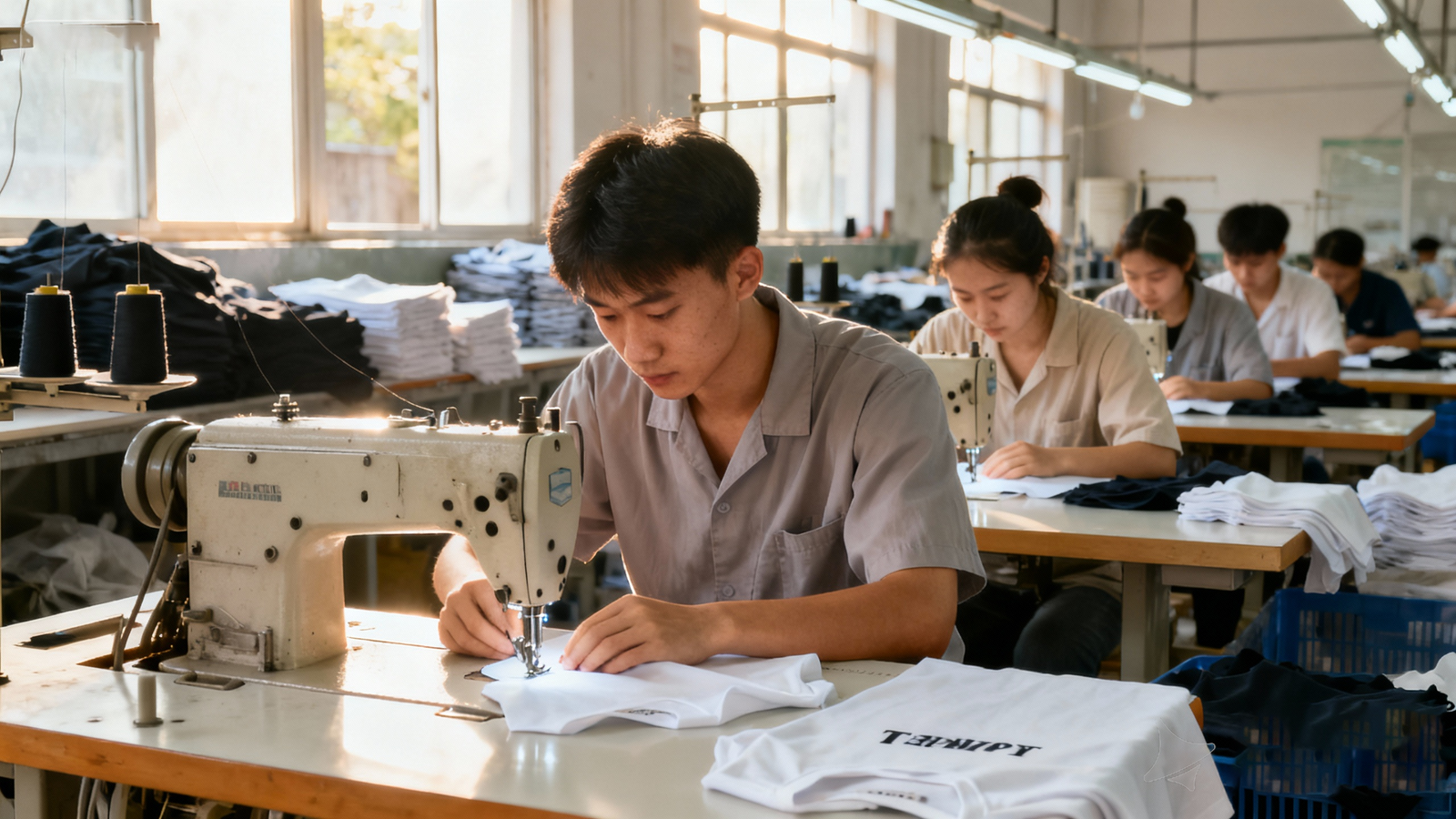
Alt: Workers sewing T-shirt panels inside a garment manufacturing workshop with natural lighting.
A real production scene showing skilled workers stitching T-shirts with precision.
Choosing Fabrics That Customers Love
Fabric determines 60% of a T-shirt’s success. Customers today want soft, durable, skin-friendly, and breathable material.
Most requested fabrics in 2025:
- 100% combed cotton – soft, breathable, high quality
- Heavyweight cotton 240–280gsm – trending for streetwear
- Organic cotton – eco-friendly and sustainable
- Cotton + spandex – great stretch for fitness brands
- Polyester blends – moisture-wicking, ideal for sportswear
Fabric choice affects comfort, print clarity, shrinkage, and long-term durability.
🖼️ Image 2
Fabric Swatches – Material Options
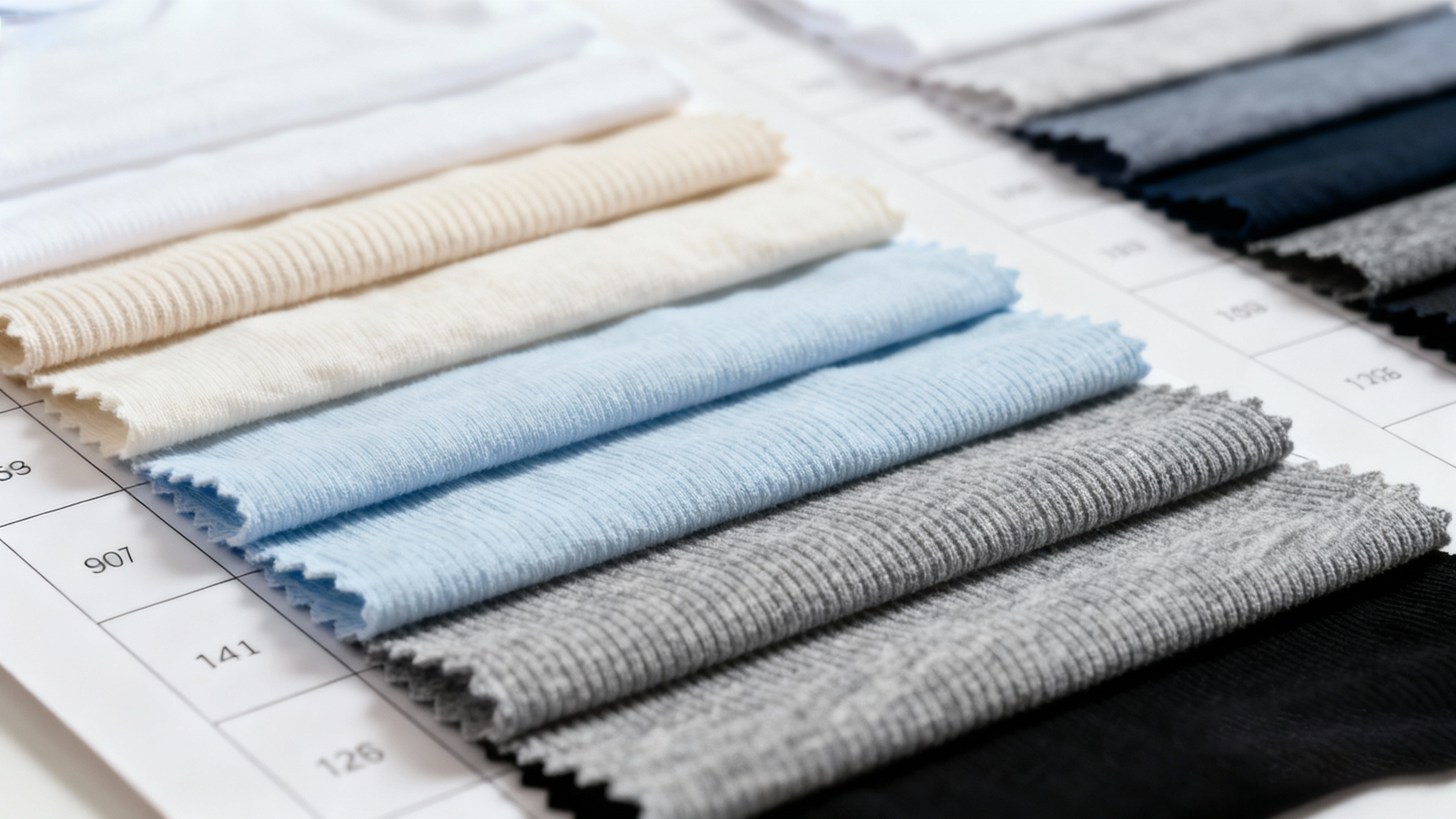
Alt: Close-up photo of organized fabric swatches showing different colors, textures and weights.
A macro-style display of cotton, blends, and jersey fabrics for T-shirt manufacturing.
Design & Pattern Development
Once fabrics are selected, manufacturers develop patterns based on desired fit:
- Oversized
- Regular
- Slim
- Boxy
- Drop shoulder
- Streetwear longline
Pattern-making determines the silhouette and comfort of the T-shirt, ensuring consistent sizing across production.
Manufacturers use CAD systems to maintain accuracy during cutting and grading.
Printing & Embroidery Techniques
Prints and logos dramatically influence whether a T-shirt becomes a best-seller.
| Most popular printing options today: | Printing Method | Features | Best For |
|---|---|---|---|
| Screen Printing | Vibrant, durable | Streetwear, bulk orders | |
| DTG Printing | High detail, small batches | Custom brands | |
| Puff Print | 3D raised effect | Trendy streetwear designs | |
| Embroidery | Premium & textured | Logos, luxury brands | |
| Heat Transfer | Fast & versatile | Complex graphics |
Brands often combine multiple techniques for a more unique final look.
🖼️ Image 3
Printing & Embroidery Techniques – Close-up
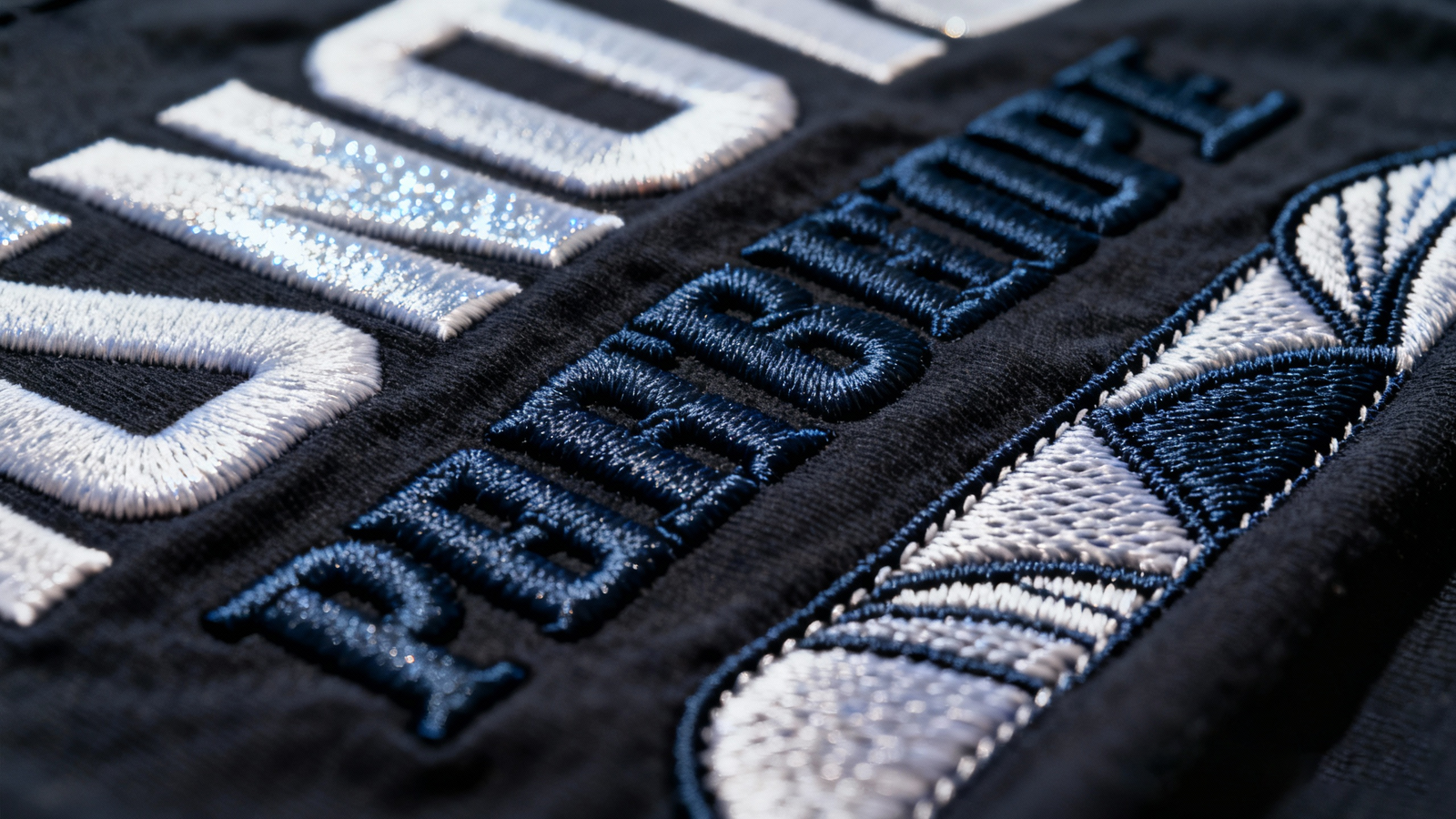
Alt: Close-up view of puff print, screen print, and embroidery details on T-shirt samples.
A high-contrast comparison showing multiple decoration methods.
T-Shirt Production Process
A professional manufacturer follows a structured workflow:
- Fabric inspection
Check color, density, softness, and defects. - Automatic fabric spreading & cutting
Laser or blade cutting ensures precision. - Sewing in production line
Each worker handles a specific part: collar, sleeve, hem, rib, etc. - Print/embroidery application
Graphics are added before final assembly or after, depending on the method. - Final stitching & shaping
Side seams, neck reinforcement, labels, care tags. - Steaming & shaping
T-shirt is pressed to keep final form. - Final inspection
Color uniformity, stitching strength, size accuracy.
🖼️ Image 4
Packaging & Pre-Shipment Inspection
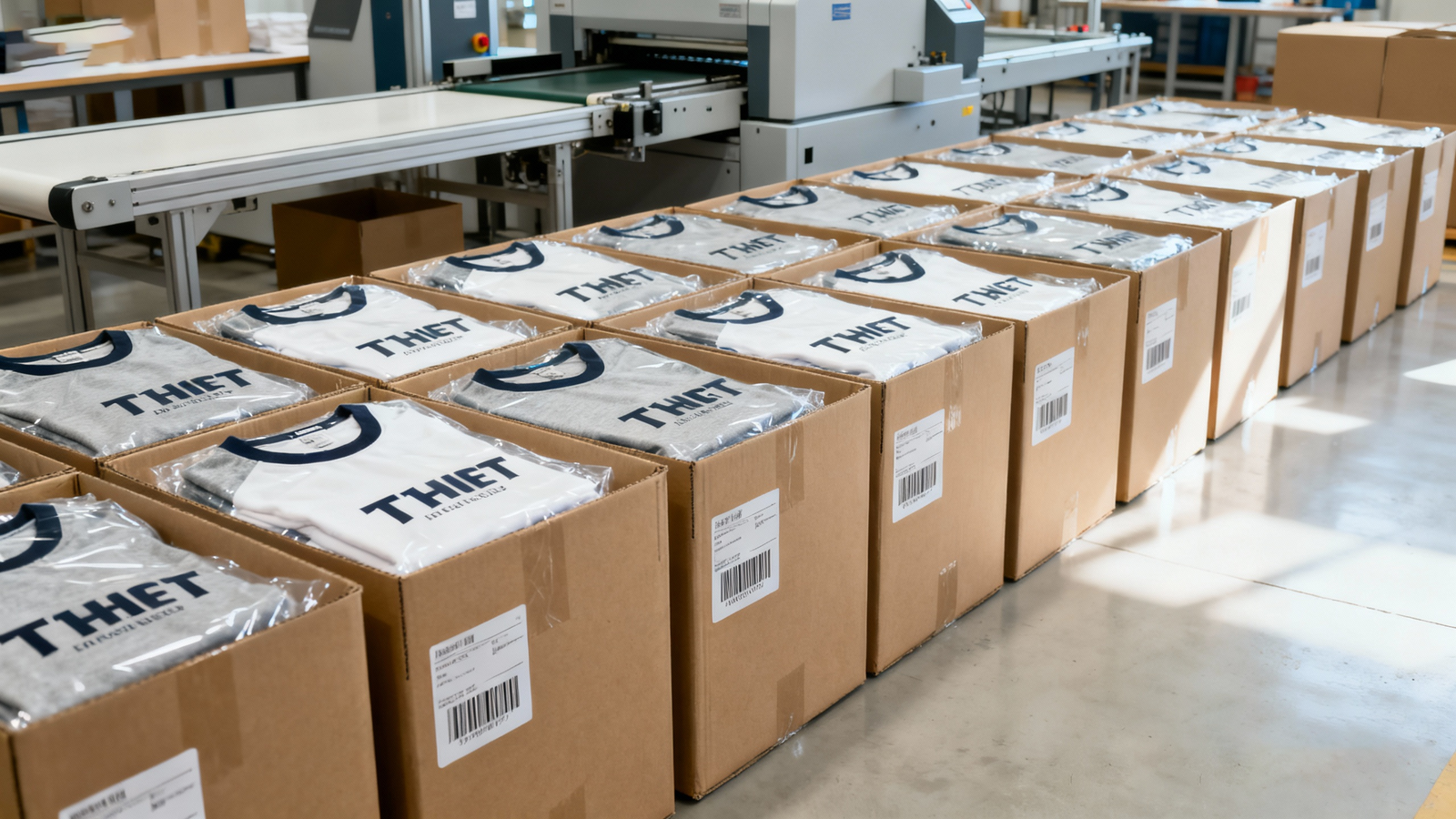
Alt: Organized rows of packaged T-shirts in cartons ready for international shipping.
A clean and orderly packing area showing export-ready products.
Quality Control & Testing
Before shipping, every batch is tested for:
- Shrinkage
- Colorfastness
- Seam strength
- Print durability
- Fabric pilling resistance
These steps ensure the T-shirt meets the quality expected by global retail standards.
Packaging & Shipping
Brands may choose:
- Individual polybags
- Recycled packaging
- Custom logo bags
- Retail-ready hangtags
Finally, all cartons are reinforced for long-distance shipping to the US, Europe, Southeast Asia, etc.
🖼️ Image 5
Finished T-Shirts – Product Display
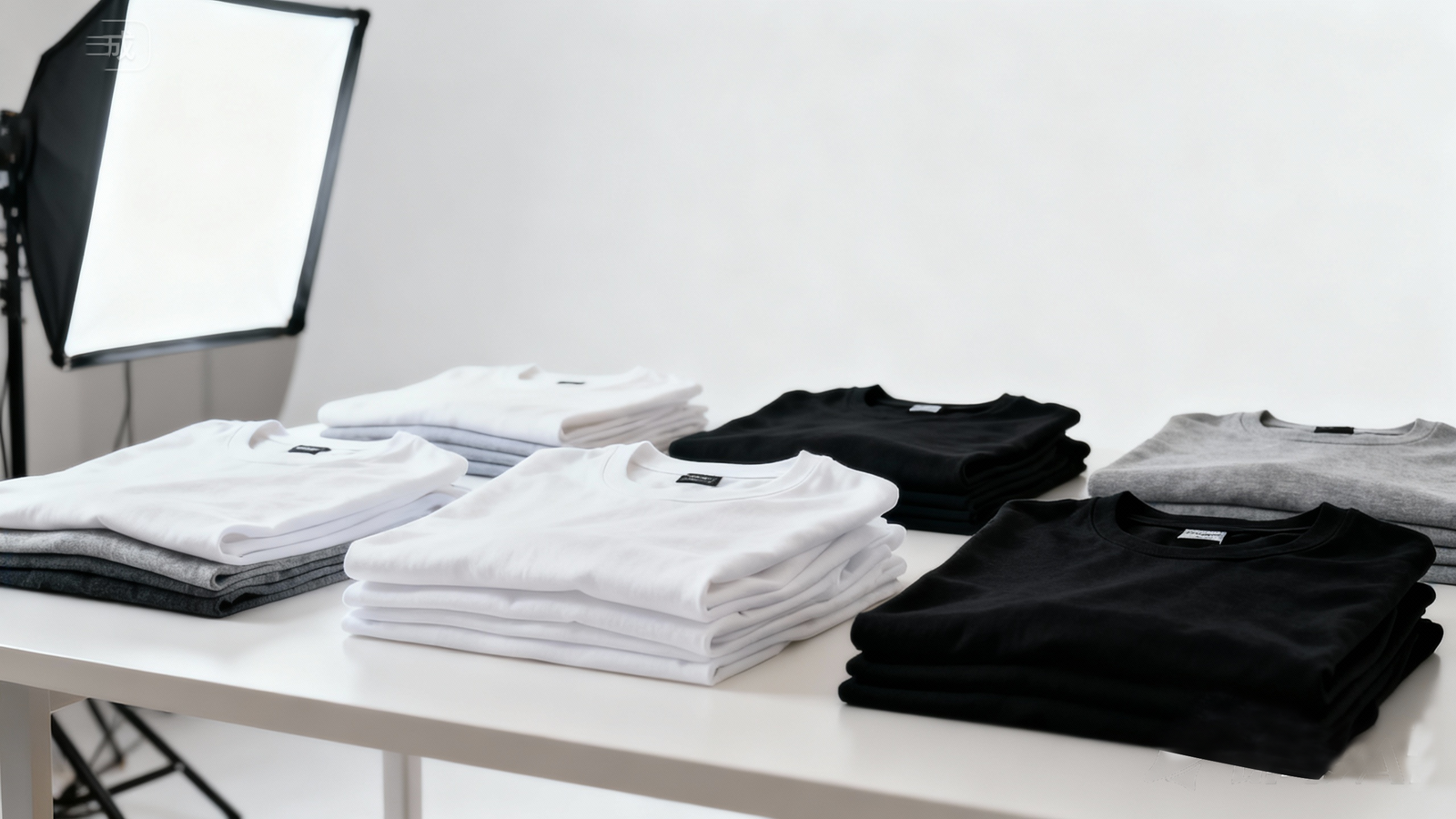
Alt: Finished T-shirts neatly displayed on a table for quality evaluation before shipment.
A clean product overview showcasing the final T-shirt results.
Final Thoughts
A best-selling T-shirt is created through trend research, premium fabric selection, skilled craftsmanship, modern printing, and strict quality control. When each step is optimized, brands receive products that sell consistently and build long-term customer trust.
Frequently Asked Questions (FAQ)
1. What makes a T-shirt a best-seller?
A best-selling T-shirt combines high-quality fabric, modern design, long-lasting printing, and a fit that matches current fashion trends. Manufacturers also ensure consistency and strong quality control.
2. Which fabric is best for premium T-shirts?
Combed cotton, organic cotton, and heavyweight jersey (240–280gsm) are the most popular options. They offer softness, durability, and excellent printing results.
3. What printing method is most durable?
Screen printing offers the best durability for bulk orders, while puff printing and embroidery create premium textures.
4. How long does T-shirt production take?
Production time depends on order size, but most custom T-shirt batches take 7–15 days after sample approval.
5. Do manufacturers support small orders?
Many factories accept low MOQ, especially for DTG printing or simple logo T-shirts.