
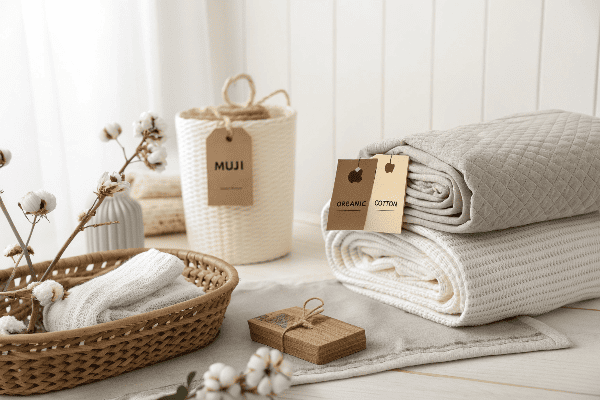
I often wonder if brands really care about the fabric they use. Muji caught my attention because many people say it uses organic cotton.
Muji uses organic cotton for most of its clothing. Since 2018, Muji has made a shift to use 100% organic cotton for its main cotton apparel lines. This cotton is grown without pesticides or chemical fertilizers for at least three years.
I remember holding a Muji T-shirt for the first time and seeing the label “Organic Cotton.” It made me curious to learn why the brand made that choice.
Table of Contents
- When did Muji start using organic cotton?
- Why does Muji use organic cotton?
- Which Muji products are made with organic cotton?
- Does Muji mix organic cotton with other fabrics?
- Is Muji’s organic cotton certified?
- Does Muji still use Xinjiang cotton?
- Is Muji’s organic cotton more expensive?
- Conclusion
When did Muji start using organic cotton?
I wanted to know if this is just a new trend or a long-term plan.
Muji started introducing organic cotton in 1999. In 2018, they moved to make all their main cotton apparel lines with 100% organic cotton.
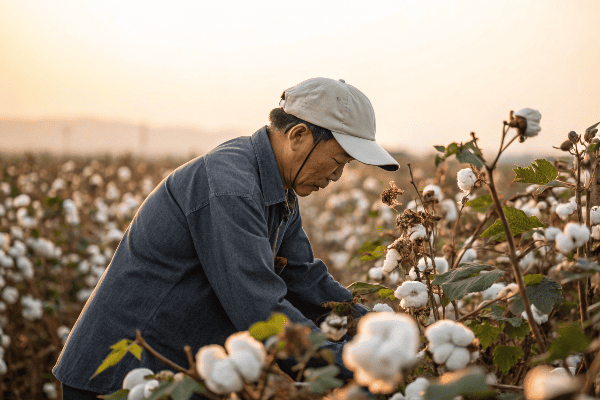
For more details, the Muji official website shares its commitment to using organic cotton.
- Muji first introduced organic cotton more than 20 years ago.
- It was part of a slow but clear plan to make production safer.
When I learned that this was not just marketing but a long-term practice, I trusted the label more. Many other brands only started using organic cotton recently.
Why does Muji use organic cotton?
There must be a reason behind this choice.
Muji uses organic cotton to reduce chemical use, protect farmers, and make clothes safer for the skin.
According to guides like Good On You’s organic cotton explanation, this fabric choice benefits both customers and the environment.
- Organic cotton farming avoids synthetic pesticides.
- It protects soil and water.
- The final fabric feels softer and is gentle on the skin.
I like that Muji makes clothing that does not feel rough or irritating. It shows in their simple T-shirts and shirts.
Which Muji products are made with organic cotton?
When I walked through the store, I noticed a pattern.
Many of Muji’s clothing items, such as T-shirts, shirts, underwear, and loungewear, are made with organic cotton.
If you want to see examples, sustainability-focused blogs like Sustainable Jungle’s organic cotton clothing list often include Muji for its consistent use of organic materials.
- Basic T-shirts and tops.
- Women’s and men’s shirts.
- Pajamas, underwear, and socks.
I like their basic T-shirts because they are simple and soft. For summer, I often wear their organic cotton shirts because they let my skin breathe.
Examples of Muji products using organic cotton
| Product type | Organic cotton used? |
|---|---|
| Basic T-shirts | Yes |
| Shirts | Yes |
| Pajamas/Loungewear | Yes |
| Towels and underwear | Yes |
Does Muji mix organic cotton with other fabrics?
Not everything is pure cotton.
Some Muji products mix organic cotton with fabrics like hemp or linen to add texture, strength, and cooling effects.
- Hemp adds cooling and strength.
- Linen keeps the fabric light and airy.
- Organic cotton keeps the fabric soft.
I have a Muji linen-cotton shirt that feels light in summer but soft on the inside.
Is Muji’s organic cotton certified?
Certification is important to make sure it is real.
Muji states that their organic cotton is sourced from farms that follow strict organic standards. These farms do not use pesticides or chemical fertilizers for at least three years.
- Guarantees that the cotton is grown in a safe way.
- Builds trust for customers who care about sustainability.
When I saw the “Organic Cotton” label on the Muji website, I felt sure that this was more than just a word.
Does Muji still use Xinjiang cotton?
Many people have asked this question in recent years.
Muji no longer labels its organic cotton by region. The company has stated that they comply with international sourcing rules and global standards.
- They focus on certified organic cotton instead of a specific place.
- Customers can feel more confident about the source.
I like that the brand chose transparency in its product description.
Is Muji’s organic cotton more expensive?
Organic farming often costs more.
Muji’s organic cotton products can cost slightly more than regular cotton, but the price is still lower than many premium brands.
- Longer-lasting fabrics.
- Better comfort.
- Safer farming for the planet.
I think Muji keeps prices fair while giving good value for soft and lasting clothing.
Conclusion
Muji has used organic cotton for more than 20 years and now makes most of its cotton apparel from 100% organic cotton.