
Complete Analysis of the Chinese Apparel OEM/ODM Process: From Design and Sampling to Cross-Border Delivery (Overseas Brand Collaboration Edition)
For overseas brands looking to partner with Chinese clothing manufacturers, understanding the OEM/ODM process is key to smooth collaboration. China’s garment factories excel at flexible customization, cost-effectiveness, and efficient production—but unclear workflows often lead to miscommunication, delayed deliveries, or quality gaps.
This guide breaks down the full OEM/ODM process for Chinese clothing manufacturing, from initial design docking to cross-border delivery. Packed with actionable details, timelines, and collaboration tips, it’s your roadmap to successful partnerships with Chinese factories in 2025.
Why Choose Chinese Clothing OEM/ODM Manufacturers?
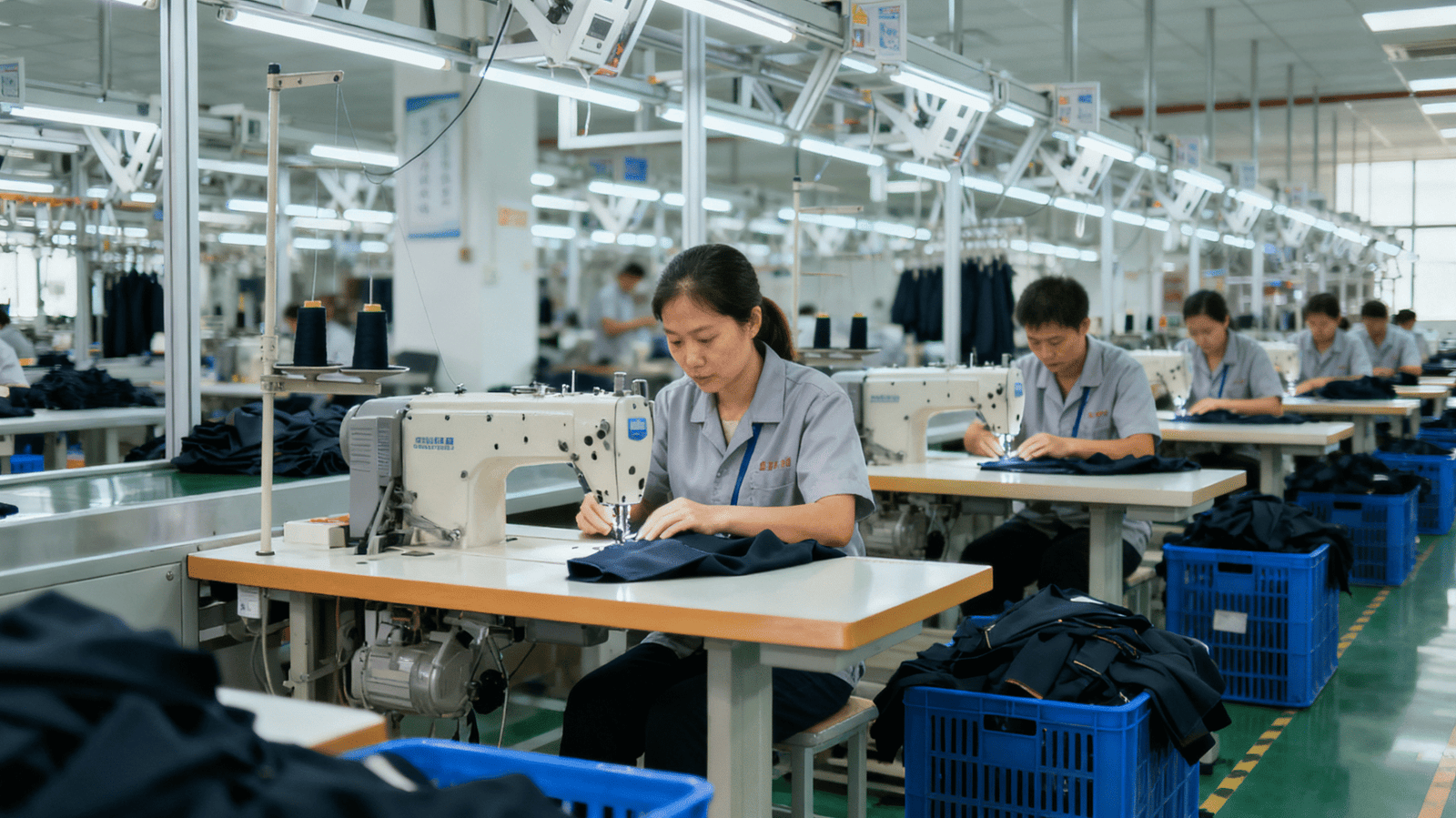
Chinese factories stand out for global brands thanks to three core advantages:
- Flexible Customization: Support both OEM (manufacture to your design) and ODM (turnkey solutions with factory-designed templates) with low MOQ (100-500 units for startups).
- Cost-Efficiency: Mature supply chains (fabric, hardware, accessories) reduce production costs without sacrificing quality.
- Global Compliance: Familiar with international standards (REACH, CPSIA, GOTS) and cross-border logistics requirements.
6 Core Stages of Chinese Clothing OEM/ODM Process
1. Pre-Collaboration: Demand Communication & Qualification Verification
The first step is aligning expectations and verifying credibility—critical for long-term partnerships:
- Demand Docking: Share detailed requirements with the factory:
- Product type (e.g., activewear, denim jeans, dresses)
- Design files (AI/PSD templates, tech packs with size charts, fabric swatches)
- Quantity (MOQ, batch size, future scaling plans)
- Quality standards (stitching density, fabric durability, eco-friendly requirements)
- Factory Qualification Check: Verify certifications (ISO 9001, OEKO-TEX Standard 100) and request:
- Past case studies (especially for your product category)
- Factory audit reports or virtual tour links
- Compliance documents for your target market (e.g., EU REACH, US CPSIA)
- Timeline & Pricing Confirmation: Get a detailed quote including fabric costs, labor, customizations, and sample fees. Standard timeline: 3-5 days for initial quote.
2. Design & Sampling: Turn Ideas Into Physical Samples
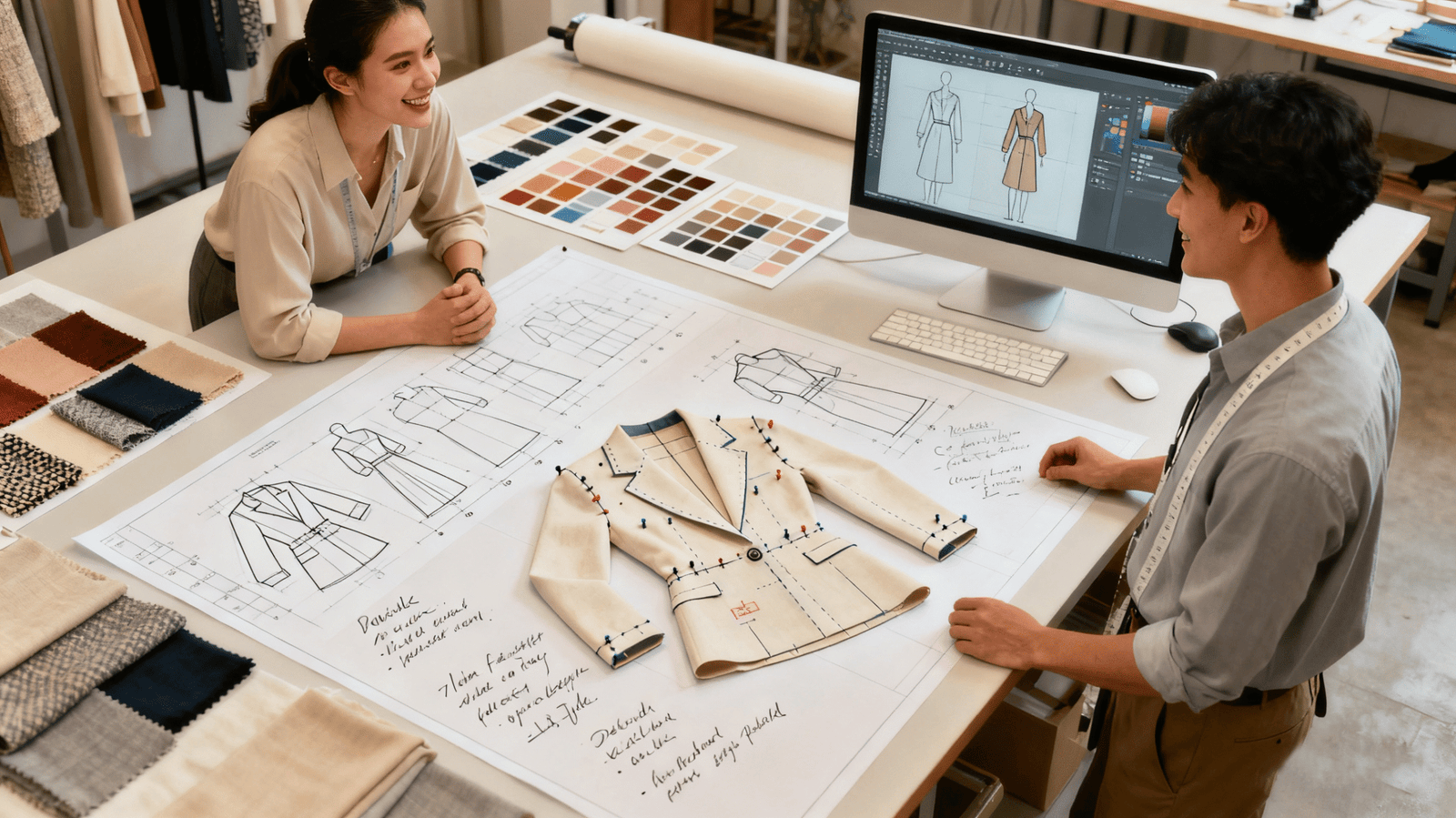
Sampling is the most critical stage to avoid mass production mistakes:
- Sample Type Selection:
- Prototype Sample: Tests design feasibility (7-10 days, $50-$200/sample)
- Pre-production Sample: Final version with exact fabric/hardware (10-15 days, $80-$300/sample)
- Feedback & Revision: Provide clear comments on fit, fabric, stitching, or print quality. Chinese factories typically offer 2-3 free revisions; extra revisions may incur fees.
- Sample Confirmation: Sign off on the pre-production sample (PPS) in writing—this becomes the benchmark for mass production.
3. Mass Production: From Material Sourcing to Assembly
Once samples are approved, the factory kicks off bulk production:
- Material Procurement: Factories source fabrics, zippers, buttons, and labels according to the sample. For ODM orders, they can recommend cost-effective or sustainable materials (e.g., recycled polyester, organic cotton).
- Production Scheduling: Standard lead time: 20-35 days for 500-5,000 units. Rush orders (15-20 days) are available for a 10-15% premium.
- Process Monitoring: Request production updates (photos/videos) at key stages (cutting, sewing, printing) to ensure alignment with requirements.
4. Quality Control (QC): Multi-Level Inspections
Chinese top-tier factories implement 3-stage QC to minimize defects:
- Incoming QC: Check fabric and accessories for flaws (e.g., fabric holes, faulty zippers).
- In-Process QC: Inspect 20-30% of products during production (stitching evenness, size accuracy).
- Final QC: 100% inspection of finished products—check for defects, packaging compliance, and label accuracy.
- Defect Handling: Defective products are either reworked or replaced; reputable factories offer a 0.5-1% defect rate guarantee.
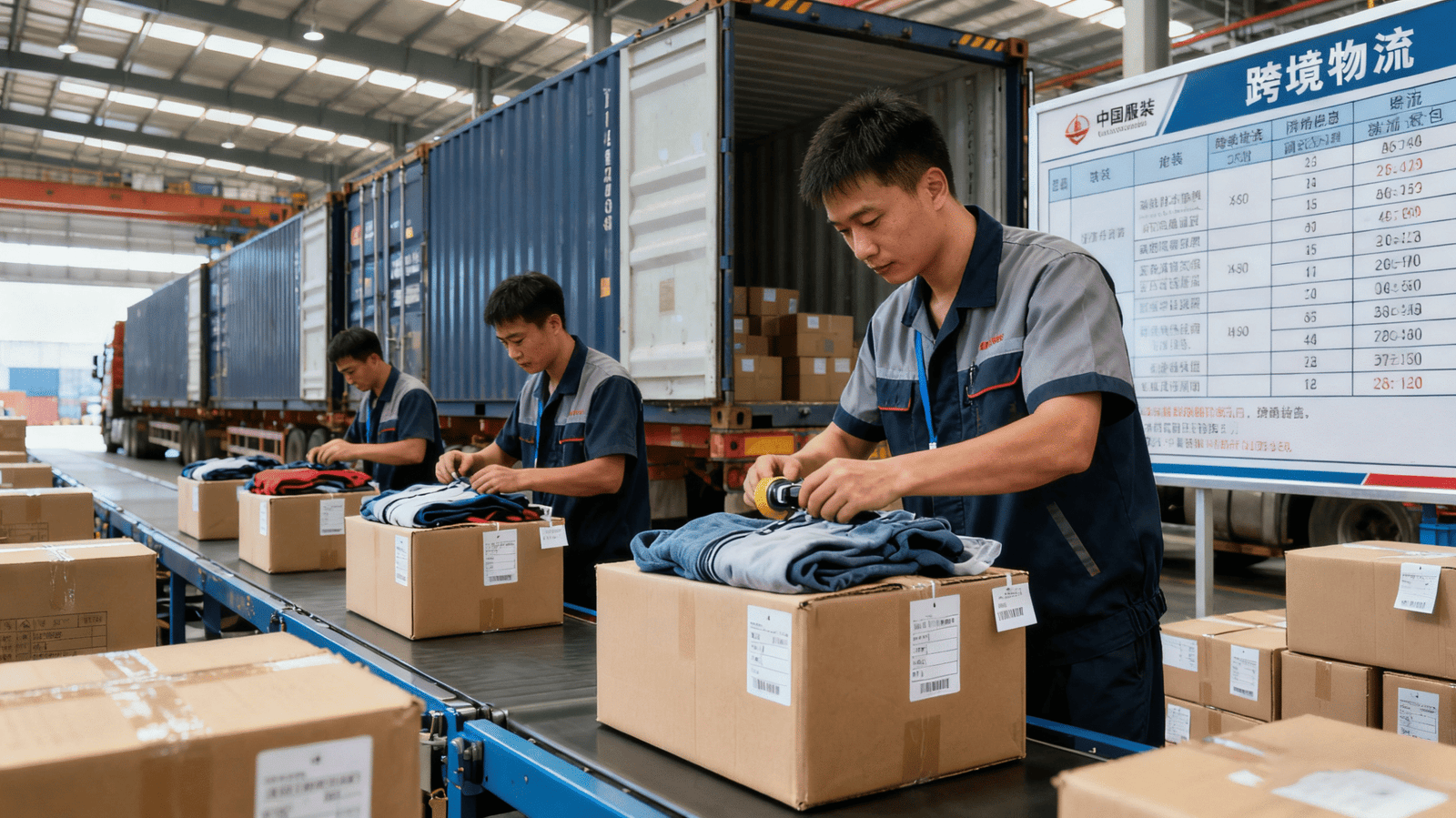
5. Packaging & Cross-Border Delivery
Packaging and logistics are tailored to your target market:
- Packaging Options:
- Standard: Poly bags + cartons (customizable with your brand logo for a small fee).
- Eco-Friendly: Recycled paper bags + FSC-certified cartons (meets EU/US sustainability standards).
- Retail-Ready: Hangtags, labels, and folded packaging for direct store shelving.
- Logistics Solutions:
- Air Freight: Fast (5-7 days) but costly—ideal for small batches or urgent orders.
- Sea Freight: Cost-effective (25-40 days) for large orders—factories can arrange FOB/CIF terms.
- Customs Clearance: Factories provide commercial invoices, packing lists, and compliance documents (e.g., CE certificates for EU) to avoid delays.
6. Post-Delivery Support & Long-Term Collaboration
Reliable factories offer ongoing support:
- After-Sales Service: Address defect claims within 7-14 days (provide photos of faulty products for verification).
- Reorder Efficiency: Repeat orders skip sampling (if no design changes) and reduce lead time by 5-10 days.
- Trend Updates: ODM factories share seasonal trends (e.g., 2025 autumn-winter color palettes) to help optimize your product line.
Top 3 Collaboration Tips for Overseas Brands
- Use Clear Tech Packs: Include detailed size charts, fabric codes, and stitching requirements to avoid misinterpretation.
- Confirm Payment Terms: Standard terms: 30% deposit, 70% balance before shipment (avoid 100% upfront payments).
- Leverage Factory Expertise: Chinese factories know global market demands—ask for advice on fabric durability, compliance, or cost-saving alternatives.
Partnering with Chinese clothing OEM/ODM manufacturers doesn’t have to be complicated. By following this workflow, you’ll streamline collaboration, ensure quality, and get your products to market efficiently. Whether you’re a startup launching your first line or an established brand scaling production, China’s flexible and compliant factories are your ideal partners.
Ready to start your OEM/ODM project? Contact our team for a free quote and sample consultation—we specialize in cross-border brand partnerships with 10+ years of experience in global compliance and customization.
- Pantone Fashion Color Trend Report
- Textile World: Apparel Manufacturing Insights
- FashionUnited: Global Market Trends
- DTG Printing Technology Overview
- Sustainable Cotton Standards - Better Cotton