

When summer hits, we all want clothes that keep us cool and comfortable. So, where do jersey shirts stand in hot weather?
Yes, jersey shirts are good for summer—especially when made from lightweight cotton or blended fabrics. Their breathable knit structure, softness, and slight stretch make them a popular choice for warm days.
As someone who runs a clothing factory, I’ve tested many fabrics. Jersey is one of the most requested materials in our summer collections—by both brands and end customers.
Table of Contents
- What makes jersey fabric suitable for summer?
- What types of jersey shirts are best for hot weather?
- Are there downsides to wearing jersey in hot climates?
- How do jersey shirts compare to other summer fabrics?
- Conclusion
What makes jersey fabric suitable for summer?
The secret lies in its knit structure and fiber type.
Jersey fabric is lightweight and breathable, allowing airflow that helps regulate body temperature. Cotton jersey, in particular, absorbs sweat and feels soft against the skin[^1].
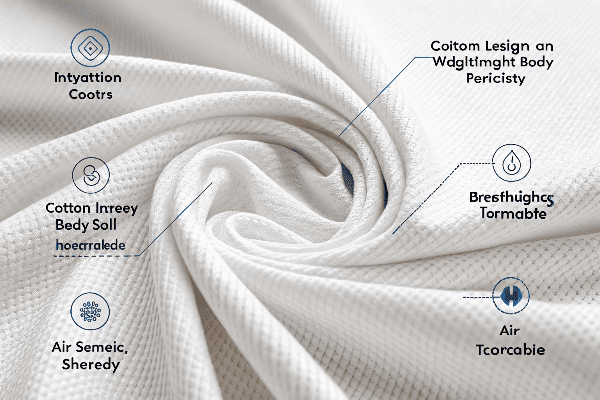
Key features of summer-friendly jersey shirts
| Feature | Benefit in Summer Heat |
|---|---|
| Lightweight knit | Allows air circulation |
| Cotton content | Absorbs moisture, keeps skin dry |
| Soft texture | Reduces skin irritation |
| Stretch | Moves with the body, non-restrictive |
| Breathability | Prevents overheating |
The stretch also means it won’t stick to you as much as some synthetic fabrics do.
What types of jersey shirts are best for hot weather?
Fiber content and weight matter most.
For summer, cotton jersey or cotton-modal blends with a GSM (grams per square meter) around 150–180 are ideal[^2]. Avoid heavyweight or thick jerseys, which trap heat.
Fabric weights and fiber tips
| Type of Jersey Fabric | Ideal For Summer? | Notes |
|---|---|---|
| 100% Cotton Jersey | ✅ Yes | Natural, breathable, soft |
| Cotton-Modal Blend | ✅ Yes | Cool touch, good drape |
| Polyester Jersey | ⚠️ Sometimes | Wicks moisture, but may trap heat |
| Heavyweight Cotton Jersey | ❌ No | Thick, better for cool weather |
| Bamboo Jersey | ✅ Yes | Ultra-soft, breathable, eco-friendly[^3] |
Lighter and softer is better when it’s hot outside.
Are there downsides to wearing jersey in hot climates?
A few—if you pick the wrong blend or weight.
Some jersey blends (like polyester-heavy ones) may hold heat and odor. Also, overly stretchy or thick jerseys can feel clingy and make you sweat more.
What to avoid in summer jerseys
- ❌ Too much spandex → traps heat and sticks to skin
- ❌ Polyester without wicking tech → can feel sweaty
- ❌ GSM over 200 → may be too thick for tropical heat
Always check the label when sourcing or buying. For my clients, I usually suggest 160GSM cotton jersey for basic summer tees.
How do jersey shirts compare to other summer fabrics?
They strike a balance between comfort and versatility.
Jersey is softer than woven cotton (like poplin), more breathable than pure polyester, and easier to maintain than linen[^4]. It’s a solid all-around summer fabric, especially for T-shirts and casualwear.
Jersey vs. Other Summer Fabrics
| Fabric Type | Breathability | Softness | Stretch | Ideal Use |
|---|---|---|---|---|
| Jersey (Cotton) | ✅ High | ✅ Very | ✅ Yes | Casual tees, daily wear |
| Linen | ✅✅ Excellent | ❌ Rough | ❌ No | Formal shirts, lightweight pants |
| Poplin (Cotton) | ✅ Good | ✅ Medium | ❌ No | Dress shirts, semi-casual |
| Polyester Mesh | ✅ Wicks well | ❌ Coarse | ✅ Yes | Activewear, sports jerseys |
| Bamboo Jersey | ✅✅ Excellent | ✅✅ Very | ✅ Yes | Premium loungewear, yoga wear |
Jersey offers the best blend of affordability, comfort, and performance.
Conclusion
Yes, jersey shirts are great for summer—if made with the right fiber and weight. Choose lightweight cotton or bamboo jersey for breathable comfort in the heat. Avoid thick or heavy blends, and your summer will feel cooler and fresher.
[^1]: Learn more about jersey fabric properties on MasterClass.
[^2]: GSM and Fabric Weight Explained from Fabric Wholesale Direct.
[^3]: Bamboo jersey advantages – breathable and sustainable.
[^4]: Jersey vs. Linen – Fabric Comparison by Sewport.