

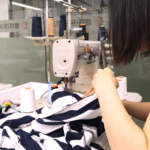
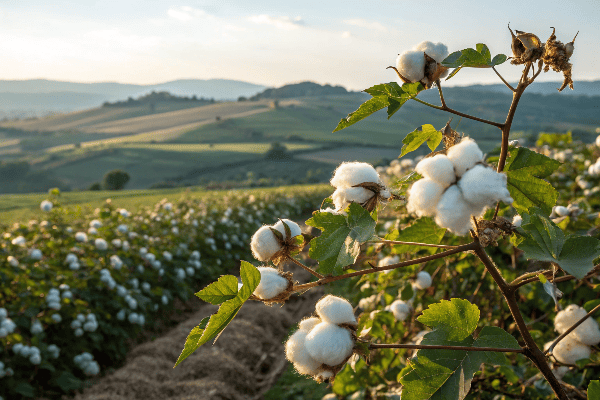
When I first saw the price tag on an organic cotton T-shirt, I was surprised. I wondered why it cost more than regular cotton.
Organic cotton is more expensive because it uses chemical-free farming methods, requires more labor, produces lower crop yields, and follows certification processes. These steps make organic cotton safer and more sustainable, but they also raise the cost.
I still remember asking a shop assistant why the same plain shirt costs more in organic cotton. Her answer made me think about the work behind the fabric.
If you want to learn about how organic cotton farming works, see Textile Exchange – Organic Cotton Guide. For details on certifications, GOTS – Global Organic Textile Standard explains the full process. To understand sustainability factors, check WWF Cotton and the Environment.
Table of Contents
- How is organic cotton grown differently?
- Does organic cotton produce fewer crops?
- Are organic cotton farms more expensive to run?
- Does certification make organic cotton expensive?
- Is organic cotton processed differently after harvest?
- Does organic cotton last longer?
- Conclusion
How is organic cotton grown differently?
The cost starts at the farm.
Organic cotton is grown without synthetic pesticides or fertilizers. Farmers use natural methods that take more time and effort.
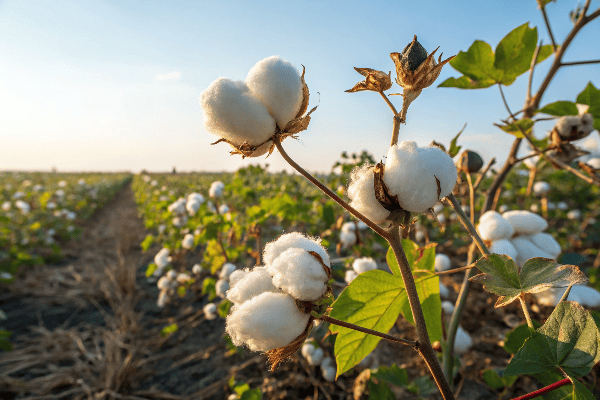
Key farming differences
- Manual weeding instead of chemical sprays.
- Crop rotation to keep soil healthy.
- Natural pest control instead of chemicals.
I visited a cotton farm once and saw how much hand work organic farming needs. Machines and chemicals do everything on conventional farms, but organic farmers spend hours in the fields.
Does organic cotton produce fewer crops?
Yields are different when no chemicals are used.
Yes, organic cotton produces smaller yields per acre because there are no chemical fertilizers or pesticides to push growth.
Why lower yields matter
- More land is needed to grow the same amount.
- Slower farming increases the time cost.
- Fewer bales mean higher prices per bale.
I learned that farmers sometimes get 20–30% less cotton when they farm organically.
Are organic cotton farms more expensive to run?
Labor is a big part of the cost.
Organic farms need more labor because many steps are manual, including soil care, pest control, and weed removal.
Costs that add up
- Workers manage crops without chemicals.
- Handpicking and sorting takes more time.
- Farmers invest in soil improvement.
I realized that when I pay more for an organic cotton shirt, I am also paying for fair labor.
Does certification make organic cotton expensive?
Certification is part of the price.
Organic cotton must pass strict certifications such as GOTS or USDA Organic. These processes include audits and testing, which add cost.
What certification involves
- Farm inspections.
- Standards for water use and soil health.
- Traceability from field to factory.
For full certification details, visit GOTS Certification Process.
Is organic cotton processed differently after harvest?
The difference continues beyond the farm.
Organic cotton processing uses fewer chemicals for cleaning, bleaching, and finishing. These safer methods cost more and take longer.
Why post-harvest steps matter
- Safer dyes and finishes.
- Gentle processes to keep fibers strong.
- Reduced chemical treatments require more steps.
When I compared organic and regular cotton side by side, the organic fabric felt softer and cleaner.
Does organic cotton last longer?
Price is one side of the story. Value is another.
Organic cotton can last longer because its fibers are not damaged by chemicals, making the fabric stronger over time.
Value for cost
- High-quality fibers mean better durability.
- Fewer washes and replacements in the long term.
My first organic cotton T-shirt lasted twice as long as a regular cotton one.
Why organic cotton costs more
| Reason | Impact on Cost |
|---|---|
| Chemical-free farming | More labor and time |
| Lower yields | Less cotton per acre |
| Certification | Audits and documentation |
| Safer processing | Slower and more careful steps |
Conclusion
Organic cotton costs more because of careful farming, lower yields, manual labor, and strict certification, but it offers comfort, safety, and long-lasting quality.