I have stood in the changing room many times with two sizes of the same leggings, unsure of which one to choose.
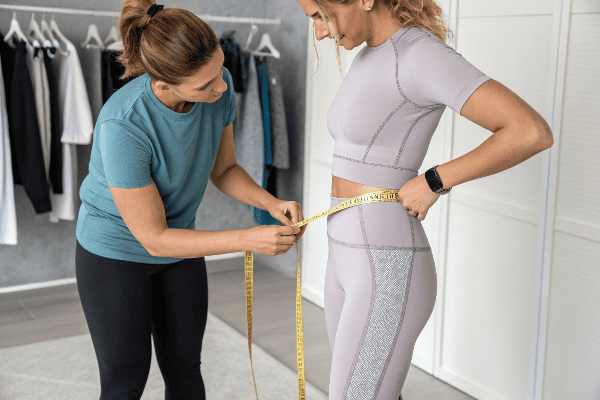
You should choose workout clothes that fit close to the body without being too tight. Sizing down can restrict movement and sizing up can make fabric bunch up. The right size stays in place, stretches with your body, and does not need constant adjusting.
I learned this after trying to exercise in a size too small. It was uncomfortable, and I had to keep pulling the fabric up.
Table of Contents
- Why is the right size important for workout clothes?
- Is it better to size down for gym clothes?
- Is it better to size up for workout clothes?
- How to know if your workout clothes fit correctly?
- Should workout clothes feel tighter than daily wear?
- Does fabric stretch change the size I choose?
- Conclusion
Why is the right size important for workout clothes?
Fit changes how you move and how safe you feel.
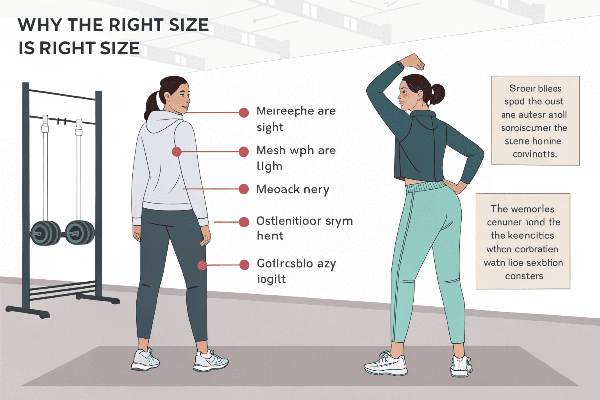
The right size for workout clothes allows full movement, prevents chafing, and makes exercises feel smoother.
Key points
- Clothes that are too tight can cut into the skin
- Too loose clothing moves around and causes distraction
- Correct fit keeps focus on exercise
I once wore a shirt that was too large. During every push-up, it moved so much that I kept losing focus.
Is it better to size down for gym clothes?
Many people think tighter means better.
Sizing down is not good for gym clothes because it restricts breathing, stretches fabric too much, and can tear seams.
Why smaller sizes are risky
- Restricted movement during squats or stretching
- Overstretched seams wear out faster
- It may highlight every line of the body, which is not always comfortable
I made this mistake with leggings once. They looked fine standing still, but when I sat, the waistband rolled down.
Is it better to size up for workout clothes?
Loose clothes feel safe, but are they practical?
Sizing up for gym clothes can feel comfortable, but loose fabric may slip, bunch up, or catch on equipment.
When sizing up works
- Hoodies and tops for warm-up can be bigger
- For high-intensity exercises, oversized pants or tops may slow you down
I once wore joggers that were too loose on a bike. The fabric kept touching the pedals.
How to know if your workout clothes fit correctly?
I use a simple test before I buy anything.
Workout clothes fit correctly when they move with you, stay in place, and feel secure without digging into the skin.
Quick test
- Bend and squat: Does it stay up?
- Lift arms: Does the top slide?
- Stretch: Do you feel free to move?
If the answer is yes to all, then the size is right.
Size choice effects
| Fit Type | Effect on Workout |
|---|---|
| Too Small | Restriction, discomfort, tearing |
| Too Large | Bunching, distraction, unsafe fit |
| Correct Size | Support, free movement, focus |
Should workout clothes feel tighter than daily wear?
Gym wear often feels different.
Workout clothes should feel closer to the body than daily clothes, but they should not cut or pinch. A snug fit helps manage sweat and movement.
Why snug is better
- Better moisture control
- Prevents fabric from slipping
- Lets trainers see your posture
I now choose leggings that are snug but not tight. They feel like a second skin.
Does fabric stretch change the size I choose?
Not all fabrics fit the same.
Stretchy fabrics allow a snug fit, while non-stretchy fabrics may need a little more room. Always check the blend before choosing a size.
Fabric factor
- Spandex and elastane blends stretch and recover well
- Cotton-heavy fabrics stretch less, so they feel tighter
- Nylon blends sit between these two
I learned to read the label because two size M leggings from different fabrics can feel completely different.
Conclusion
Workout clothes should fit close to the body without being too tight or too loose. Choose a size that lets you move freely and stays in place during all exercises.