
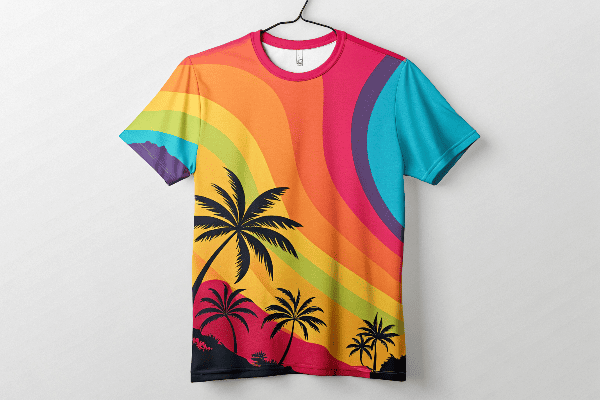
Selling T-shirts to different markets is not as simple as using one design for everyone. Different countries and regions have different styles, body shapes, and cultural preferences. These differences change how a T-shirt should be made.
To adjust T-shirt product design for different markets, brands consider fit, fabric, style, sizing, and cultural trends. This ensures the T-shirt meets local needs while keeping consistent quality.
Let’s see how I look at different factors when creating T-shirt designs for global markets.
Table of Contents
- Why should T-shirt design be adjusted for different markets?
- How does fit change across markets?
- How do fabric choices change?
- How do colors and prints vary?
- How do cultural factors affect T-shirt design?
- How should sizing be adapted?
- How does feedback help adjust designs?
- Conclusion
Why should T-shirt design be adjusted for different markets?
Each market has its own taste and climate. A single design may not work for everyone.
Adjusting design helps a T-shirt fit the local culture and demand. It increases customer satisfaction and reduces unsold stock.

- Climate: Hot regions need light fabrics. Cold regions prefer heavier fabrics.
- Style: Oversized in one country may be slim fit in another.
- Colors: Some colors sell better in specific cultures.
- Trends: Streetwear, casual, or sporty styles differ by region.
For more about how clothing design adapts to different climates, see Fashion United.
How does fit change across markets?
Fit is one of the most visible differences between markets.
In North America, loose and oversized T-shirts sell well. In Europe and Japan, people often prefer a slimmer fit.
Fit differences by region
- North America: Relaxed, boxy, oversized.
- Europe: Slim fit and tailored.
- Asia: Shorter lengths, smaller shoulders, neat shapes.
When I design for a specific market, I adjust the patterns so the garment fits local expectations.
How do fabric choices change?
Fabric depends on the local weather and lifestyle.
Lightweight cotton and blends are best for hot climates. Heavy cotton or fleece blends work better in colder climates.
Fabric choice table
| Market / Climate | Preferred Fabric |
|---|---|
| Hot / Humid | Lightweight cotton, viscose |
| Mild | Cotton blends, jersey knit |
| Cold | Heavy cotton, brushed fleece |
Special requests like organic cotton or bamboo fabrics are also common in markets focused on sustainability. Learn more about sustainable options at Textile Exchange.
How do colors and prints vary?
Color trends change from place to place.
Bright colors sell better in warmer countries, while neutral tones are preferred in colder climates. Prints may feature local culture or global graphics.
- Neutral colors: White, black, grey are universal.
- Bright colors: Popular in tropical countries.
- Graphic prints: Urban and street style in the U.S., minimalist in Europe, cartoon or cute designs in some Asian markets.
For color trend insights, refer to Pantone Color Institute.
How do cultural factors affect T-shirt design?
Culture has a strong influence on T-shirt design choices.
Cultural factors such as religion, traditions, and fashion history affect patterns, sleeve lengths, and even neckline styles.
- Necklines: Crew neck is common, but V-necks are more accepted in some regions.
- Length: Modest markets prefer longer tops.
- Symbols: Some graphics may be offensive in one market but popular in another.
Fashion history also shapes choices. Read about these influences on Vogue Business.
How should sizing be adapted?
Sizing standards are not the same everywhere.
I use local measurement charts for each market. A medium in the U.S. is bigger than a medium in Japan.
Approximate size differences
| Market | Fit Range |
|---|---|
| North America | Larger, relaxed |
| Europe | Medium, slim |
| Asia | Smaller, shorter |
This is why size charts are always localized before production.
How does feedback help adjust designs?
Feedback helps brands improve design for specific markets.
By looking at returns, reviews, and local sales data, I change fit, colors, or prints for the next batch.
- Collect customer feedback regularly.
- Study local fashion influencers.
- Use small production tests before scaling up.
Conclusion
Adjusting T-shirt product design for different markets means thinking about fit, fabric, style, and culture. When these factors are respected, T-shirts match local tastes and sell better.
- Sustainable material reference from Textile Exchange
- Market fit analysis adapted from Fashion United
- Color and trend data from Pantone
- Cultural design influences reference from Vogue Business