When I started working with custom clothing, one of the most common questions from clients was how we actually put their design onto a shirt or hoodie. Many people are surprised that there are several methods, each giving a different result.
You can put a design on a shirt or hoodie using screen printing, embroidery, heat transfer, direct-to-garment printing, or patches. Each method has a different look, cost, and durability. Choosing the right one depends on your fabric, design, and quantity.
I remember my first bulk order. The client wanted puff screen printing on hoodies. Watching the design rise and set perfectly was a turning point in my appreciation for decoration techniques.
Table of contents
- What is screen printing and why is it so common?
- How does embroidery put a design on a hoodie?
- What is heat transfer printing?
- How does direct-to-garment-dtg-printing-work?
- Can patches or applique be used?
- How do you choose the right decoration method?
- Conclusion
What is screen printing and why is it so common?
Screen printing is the most popular method for decorating shirts and hoodies.
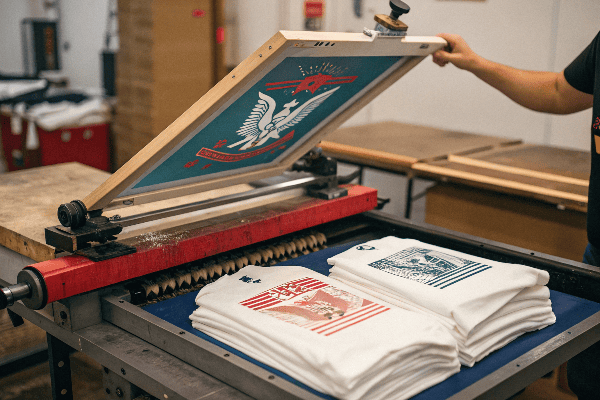
Screen printing pushes ink through a fine mesh screen onto fabric. It works well for bold, solid designs and large quantities because it is durable and cost-effective at scale.
Benefits of screen printing
- Bright, solid colors
- Very durable after washing
- Best for large orders
You can learn more about this method at Printful's Screen Printing Guide.
How does embroidery put a design on a hoodie?
Embroidery uses thread to stitch your design directly into the fabric.
Embroidery adds a textured, 3D effect. It’s best for logos, text, and small designs because it looks premium and lasts long.
Benefits of embroidery
- High-end look
- Long-lasting
- Works on thicker fabrics like hoodies
Learn more from Madeira Threads – Embroidery Basics.
What is heat transfer printing?
Heat transfer uses special paper and a heat press to transfer a printed design onto fabric.
Heat transfer is good for complex, full-color designs, especially on small orders. It is less durable than screen printing but allows photographic detail.
When heat transfer is useful
I use heat transfer for small batches with detailed graphics, like gradient photos, where screen printing would be expensive.
Read: Heat Transfer Printing Overview – ColDesi
How does direct-to-garment (DTG) printing work?
DTG printing is like printing on paper, but directly on fabric.
DTG sprays ink directly onto the shirt or hoodie, which soaks into the fibers. It’s best for small orders and detailed artwork.
Advantages of DTG
- Great for full-color designs
- No setup cost
- Smooth feel
Reference: Kornit DTG Printing.
Can patches or applique be used?
Yes, patches and applique add unique style.
With patches or fabric appliques, a design is stitched or heat-pressed onto the garment. This technique adds texture and can make designs stand out.
For a fashion-forward approach, brands like Carhartt use patches in their hoodie collections.
How do you choose the right decoration method?
Choosing the right method depends on design complexity, fabric type, and quantity.
Screen printing is best for simple bulk orders, embroidery for logos, heat transfer and DTG for complex small runs, and applique for a unique textured look.
My advice for clients
I always ask three questions:
- How many pieces?
- How complex is the design?
- Is the garment for casual fashion, sports, or premium branding?
The answers decide the method.
Conclusion
Designs can be added to shirts and hoodies through screen printing, embroidery, heat transfer, direct-to-garment printing, and patches. Each method has its own look and cost, so the best one depends on the project’s needs.