

Many people see the price tag on a cotton hoodie and ask why it costs so much. They compare it with synthetic fabrics and wonder why pure cotton feels like a luxury item.
Cotton hoodies are expensive because high-quality cotton costs more to grow and process. Making a thick, soft, and durable hoodie from natural fibers requires more fabric weight, careful knitting, and better finishing. These factors raise production costs.
I remember the first time I produced a batch of organic cotton hoodies for a client. When they touched the finished product, they immediately understood why it cost more than a cheap blend.
Table of contents
- Why does cotton cost more than synthetic fibers?
- How does fabric weight affect cotton hoodie cost?
- Why do cotton hoodies require more finishing steps?
- Do cotton hoodies last longer?
- Why are organic cotton hoodies even more expensive?
- Do brand and craftsmanship also affect price?
- Conclusion
Why does cotton cost more than synthetic fibers?
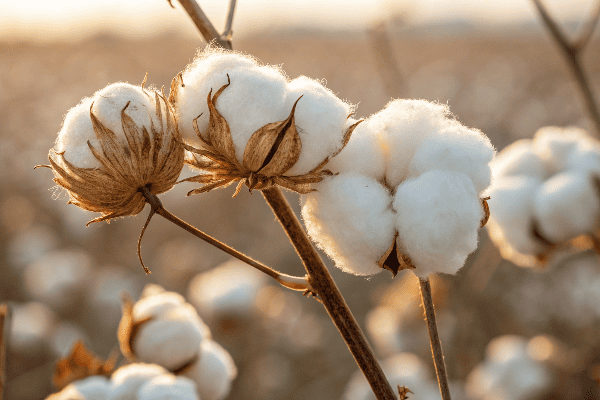
Cotton is a natural fiber, and producing it is slower and more resource-intensive compared to synthetic materials.
Cotton takes time to grow, harvest, clean, and spin into yarn. Synthetic fabrics like polyester are made quickly in factories, so they cost less.
Factors that make cotton more expensive
- Farming and harvesting
- Spinning and combing
- Environmental care in production
- Limited growing areas for high-grade cotton
Synthetic fibers are cheaper because machines make them from chemicals. Cotton comes from fields, so it depends on weather, soil, and manual labor.
Learn more: CottonWorks – About Cotton.
How does fabric weight affect cotton hoodie cost?
Heavy fabric makes a hoodie feel solid and last longer, but it also increases material cost.
Cotton hoodies often use 350–500 GSM fabric. A heavier GSM means more yarn, more knitting time, and higher cost.
GSM vs. cost
| GSM Range | Type of Hoodie |
|---|---|
| 200–280 | Lightweight |
| 280–350 | Mid-weight |
| 400–500+ | Premium heavyweight |
When I produce a 450 GSM hoodie, the yarn requirement is almost double that of a 280 GSM one.
Reference: Fibre2Fashion – GSM Fabric Guide.
Why do cotton hoodies require more finishing steps?
Cotton reacts differently during production compared to polyester.
Cotton hoodies need pre-shrinking, brushing, or soft-washing to achieve a smooth, comfortable texture. These extra steps increase labor and cost.
The brushed fleece inside a good cotton hoodie comes from hours of finishing work.
Do cotton hoodies last longer?
Yes, if made well, cotton hoodies can last for years.
A good cotton hoodie stays soft and strong after many washes. Synthetic fabrics often pill or lose shape, while cotton ages better with proper care.
Brands that want their hoodies to look good after 30 washes choose premium cotton.
Why are organic cotton hoodies even more expensive?
Organic cotton is grown without chemicals, which requires more careful farming.
Organic cotton is rare and slower to produce. That scarcity increases cost, making organic cotton hoodies some of the most expensive on the market.
I once made a hoodie using GOTS-certified organic cotton. It cost 30% more than regular cotton, but the texture and sustainability appeal were unmatched.
Read more about certification: GOTS – Global Organic Textile Standard.
Do brand and craftsmanship also affect price?
Absolutely. The logo is not the only reason.
High-end brands invest in better fabric sourcing, skilled sewing, quality control, and trims like metal zippers or thick drawcords. These raise the cost beyond just the material.
Premium craftsmanship examples can be found in brands like Fear of God Essentials.
Conclusion
Cotton hoodies are expensive because natural cotton is costly to produce, heavy fabric uses more material, and quality finishing adds labor. When made well, a cotton hoodie is a premium garment built to last.