

Many brands want to offer custom T-shirts but worry about costs. Cutting the price often means cutting quality. From my years in garment manufacturing, I’ve learned there are ways to balance both.
You can get affordable custom T-shirts without sacrificing quality by choosing the right fabric weight, printing method, and a reliable manufacturer, and by ordering in smart quantities.
I remember my first big order for a client on a tight budget. With careful planning, we lowered costs without losing quality. The result helped them launch their brand successfully.
Table of Contents
- How does fabric choice affect cost and quality?
- What printing methods give good results at a low cost?
- How can order planning reduce costs?
- Why is choosing the right manufacturer important?
- Can you balance price and branding?
- Conclusion
How does fabric choice affect cost and quality?
Fabric is one of the biggest factors in the price of a custom T-shirt. Choosing the right type can help save money without looking cheap.
Choosing mid-weight cotton or cotton blends gives you a balance of cost, comfort, and durability for custom T-shirts.
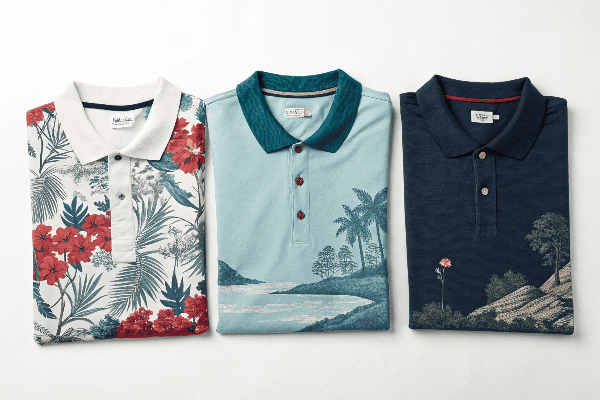
How to choose fabric wisely
Cotton blends
50/50 cotton-polyester blends are cheaper than 100% cotton but still feel soft and hold prints well[^1].
Mid-weight fabric
Use 160–180 GSM fabrics instead of heavy 220 GSM. They are lighter and cost less while still lasting.
Reactive dyes
Choose fabrics dyed with reactive dyes. Colors stay bright, so your T-shirts look good even if the base cost is lower.
You can learn more about fabric dyeing from Threads Magazine.
What printing methods give good results at a low cost?
The printing method you choose affects both price and quality. Some methods are cheaper and still produce good results.
Screen printing and heat transfer are affordable methods that work well for bulk custom T-shirts without losing print quality.
Compare methods
Screen printing
- Best for large orders
- Bright, durable prints
- Lower cost when printing the same design on many shirts
(For details, see Printful’s screen printing guide)
Heat transfer
- Works well for small orders
- Smooth finish and good detail
- Cost-effective for short runs or multiple designs
DTG (Direct-to-Garment)
High quality but more expensive. Avoid for large budget-sensitive orders.
How can order planning reduce costs?
Planning your order size and details is key. Small mistakes can increase costs fast.
You can reduce costs by ordering in bulk, limiting color changes, and consolidating designs into fewer SKUs.
Smart planning tips
Order in bulk
The price per shirt drops when you order more pieces.
Limit colors
The fewer colors in a print, the cheaper the printing. Simple designs cost less and look clean.
Combine styles
Instead of 10 small orders, combine them into one. This reduces setup fees and shipping.
For more cost-saving insights, check Shopify’s small business guide.
Why is choosing the right manufacturer important?
Working with an experienced manufacturer helps you avoid expensive mistakes.
A reliable manufacturer gives you accurate samples, cost-saving suggestions, and consistent quality.
How a good factory helps
- Guides you to the right fabric and printing method
- Offers competitive bulk pricing
- Ensures quality control so you don’t waste money on defective products
Start with a small batch to test quality, then scale up. If you need a partner, see Dec Garment custom T-shirt manufacturing.
Can you balance price and branding?
Yes. Many brands think “cheap” means “low-end,” but smart choices can help you stay affordable without looking cheap.
Balancing price and branding comes from using simple designs, choosing the right blanks, and keeping consistent packaging.
Branding tips on a budget
- Use neck labels or hang tags to add a premium touch
- Choose blanks with a good fit; it adds perceived value
- Focus on one strong logo or message instead of many complicated designs
Conclusion
Cheap custom T-shirts do not have to mean poor quality. By choosing the right fabric, printing method, factory, and order plan, you can create affordable products that still look and feel professional.
[^1]: Cotton-polyester blends are commonly used to balance cost and quality. Learn more on Textile Exchange.