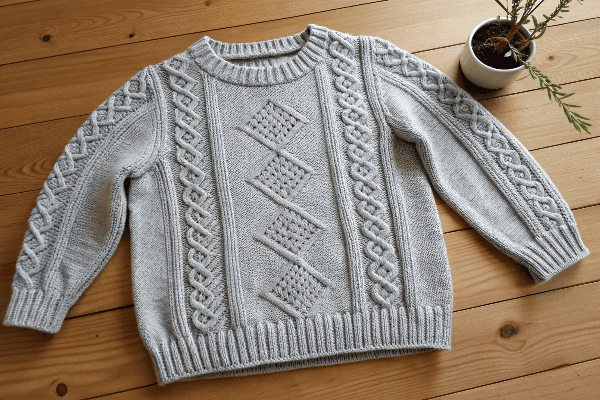
I’ve handled thousands of knitwear pieces over the years—from factory samples to finished products in retail packaging. One thing I’ve learned? Not all knits are created equal. Some look great on a hanger but fall apart after two washes. Others look simple but wear like a dream.
When buying knitwear, look for fabric quality, stretch recovery, stitching and seams, yarn content, weight and drape, softness, colorfastness, and shape retention. These factors decide how the knitwear feels, fits, lasts, and performs after washing.
I always remind clients: a knit garment is about more than just color or trend. The difference lies in the details you can touch, stretch, and test.
Table of Contents
- Why does fabric quality matter most?
- What is stretch recovery and why does it matter?
- How important are stitching and seams?
- What yarn content should you choose?
- Why does knit weight and drape affect fit?
- Should you check softness?
- Why is colorfastness important in knitwear?
- Does the knit hold shape after washing?
- Conclusion
Why does fabric quality matter most?
It’s the foundation of any good knitwear piece.
High-quality fabric determines how soft, durable, and breathable the knitwear will be. Poor-quality knits often pill, lose shape, or feel itchy.

When I inspect knitwear at a trade fair or from a supplier, I always do these:
- Rub the surface lightly—does it feel fuzzy already?
- Pull it gently—does it bounce back or sag?
- Hold it up to the light—is it too thin for its purpose?
Good knit fabric feels balanced—not too tight, not too loose. Premium cotton, viscose, bamboo, wool, or blends with nylon/spandex hold up better.
What is stretch recovery and why does it matter?
Stretch is good. But recovery is what keeps the shape.
Stretch recovery is the fabric’s ability to return to its original shape after being pulled. If a knit stretches but doesn’t recover, it will bag out at elbows, waist, or knees.
I’ve seen many customers return soft sweaters because they lose structure after one wear. It’s not always about softness—it’s about rebound.
Tips:
- Gently stretch the fabric horizontally
- Let go and see how fast it snaps back
- Good knits recover instantly and fully
Adding 3–5% spandex to the yarn helps, especially for fitted tops and dresses.
How important are stitching and seams?
Very important—especially in cheaper knits.
Clean, flat seams and tight stitching keep knitwear strong and comfortable. Poor stitching leads to unraveling, seam puckering, and uncomfortable wear.
I once had a sample with perfect fabric but loose seams. The whole piece twisted after washing. The buyer wasn’t happy.
| Seam Type | What It Means |
|---|---|
| Flatlock seam | Smooth and strong (best option) |
| Overlock seam | Common, stretch-friendly |
| Chainstitch | Vintage feel, may unravel easily |
Turn the garment inside out. Look at how clean and even the seams are. Good construction always shows.
What yarn content should you choose?
It depends on purpose and price.
Natural yarns like cotton, wool, and viscose feel soft and breathable. Synthetic yarns like acrylic or polyester add durability and reduce cost. The right blend balances comfort and performance.
| Yarn Content | Best For |
|---|---|
| 100% Cotton | T-shirts, light knits |
| Wool blends (e.g. wool-nylon) | Warm sweaters, structured pullovers |
| Viscose blends | Drapey fashion tops, dresses |
| Acrylic blends | Budget-friendly sweaters |
Feel the fabric, read the label, and match it with your intended use.
Why does knit weight and drape affect fit?
Weight controls how the fabric hangs on your body.
Lightweight knits drape softly and hug the shape. Heavier knits add warmth and structure. Choose weight based on season and desired fit.
I once made a rib-knit tank in heavy yarn—it felt bulky. The same design in lightweight viscose looked sleek.
General rule:
- Heavy knits: Good for boxy sweaters, outer layers
- Medium knits: Great for fall cardigans, workwear
- Light knits: Best for layering, warm-weather tops
Hold the fabric in your hand. Let it fall. If it’s stiff, expect structure. If it flows, expect drape.
Should you check softness?
Yes—but don’t let it fool you.
Softness matters for comfort, especially around the neck, cuffs, and inner arms. But ultra-soft fabric isn’t always better—it may come at the cost of strength.
I recommend checking both surface feel and construction. Some ultra-soft knits pill fast. Others stay strong for years.
Checkpoints:
- Rub the fabric where it touches your neck or wrist
- Wear it for a minute if you can
- Look at the surface—do you see fuzz or pilling already?
Soft doesn’t always mean durable. Aim for balance.
Why is colorfastness important in knitwear?
No one wants a sweater that bleeds in the wash.
Colorfastness means the dye won’t fade or bleed easily. Poorly dyed knits lose color after just one or two washes.
I always do a basic wet rub test on dark knits. If it stains a tissue—walk away.
Quick test:
- Press a damp white cloth on the surface
- Rub gently
- If dye transfers, the garment may bleed or fade
Colorfastness matters most for red, navy, and black knits.
Does the knit hold shape after washing?
This is the true test of quality.
Good knitwear keeps its shape after washing. Poor knits shrink, warp, or sag. Look for pre-shrunk, tightly knitted, and blended fabrics for better durability.
I always recommend asking whether the fabric was pre-washed or treated before sewing. This reduces surprises for the customer.
Shape-retention tips:
- Ask for shrinkage % (ideal is under 3%)
- Avoid 100% viscose or rayon if untreated
- Look for spandex or nylon blends in body-hugging styles
A knit that holds shape is worth every dollar.
Conclusion
When buying knitwear, look past the surface. Focus on fabric quality, stretch, seams, yarn content, and durability. These are what truly make a knit piece worth your money.
-
Cotton Incorporated. Knitwear Fabric Quality Guide.
https://www.cottoninc.com -
The Woolmark Company. Yarn Performance and Durability Tips.
https://www.woolmark.com -
American Association of Textile Chemists and Colorists. Colorfastness Testing Standards.
https://www.aatcc.org -
Textile Exchange. Preferred Fiber Benchmarking 2024.
https://textileexchange.org