
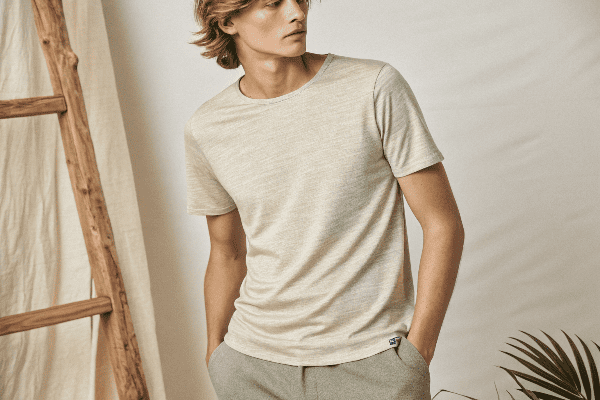
The first time I wore a hemp T-shirt in the summer, I expected it to feel hot and stiff. But I was wrong—it felt surprisingly light and cool. That moment made me realize why people say hemp is one of the most breathable fabrics out there.
Yes, hemp clothing breathes very well. Its natural hollow fibers allow air to pass through easily, keeping the body cool and dry. Hemp is also moisture-wicking and quick-drying, which helps regulate temperature and reduce sweat buildup.
After years of working with both synthetic and natural materials, I now recommend hemp for anyone who wants airflow and all-day comfort, especially in warm climates.
Learn more about why hemp is one of the most breathable fabrics
Table of Contents
- Why is hemp a breathable fabric?
- How does hemp handle sweat and moisture?
- Is hemp more breathable than cotton?
- Does hemp clothing trap heat?
- Is hemp suitable for layering in all seasons?
- Does hemp fabric stiffen breathability when blended?
- Conclusion
Why is hemp a breathable fabric?
The structure of the fiber tells the story.
Hemp fibers have a porous, hollow structure that allows more air to flow through the fabric. This makes hemp clothing feel cooler and drier than many other textiles.
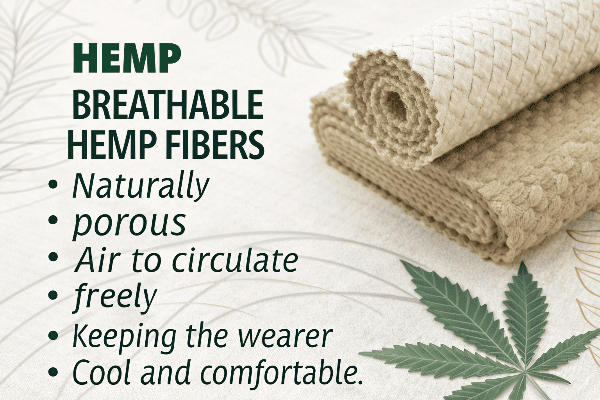
Unlike polyester or nylon, which trap heat, hemp lets the skin breathe. Here's what I've learned from testing various fabrics:
| Fabric | Airflow (Breathability) | Moisture-wicking | Feel in Hot Weather |
|---|---|---|---|
| Hemp | Excellent | Excellent | Cool and dry |
| Cotton | Good | Moderate | Soft but holds moisture |
| Polyester | Low | Moderate | Can feel sticky |
This is why I often recommend hemp for hot weather apparel and sustainable activewear.
How does hemp handle sweat and moisture?
A breathable fabric should also manage moisture—and hemp does both.
Hemp is naturally moisture-wicking. It absorbs sweat quickly and releases it into the air, helping the body stay dry.
I wore a hemp blend shirt to a warehouse inspection last summer. It was over 35°C. My back stayed dry while others were soaked. That’s when I truly appreciated hemp’s breathability.
How hemp stays dry:
- Absorbs moisture fast
- Dries faster than cotton
- Doesn’t trap odors like synthetics
This property makes hemp ideal for socks and undergarments.
Is hemp more breathable than cotton?
Yes, especially in humid or hot weather.
Hemp is more breathable than cotton because of its hollow fiber structure. It allows better airflow and dries faster, making it more effective at keeping the body cool.
Cotton is comfortable, but it tends to soak and hold sweat. Hemp handles moisture better and doesn’t feel heavy when wet.
I've compared both in product testing. Hemp always performs better in ventilation and drying speed.
Does hemp clothing trap heat?
No—and that’s one of its best traits.
Hemp clothing releases heat rather than trapping it. Its breathable nature helps regulate body temperature, which is ideal for summer or active use.
Some clients think hemp might be thick and warm. But once they wear a sample, they feel the airflow instantly.
Temperature regulation advantage
Unlike polyester, which creates a greenhouse effect, hemp helps the skin breathe. That’s why I often suggest hemp for:
- Summer streetwear
- Outdoor travel clothes
- Hot-weather uniforms
Check this guide to eco-friendly fabrics for travel.
Is hemp suitable for layering in all seasons?
Yes—it’s not just for summer.
Hemp’s breathability makes it great in hot climates, but its temperature-regulating qualities also make it suitable for layering in cool weather.
I wear hemp-cotton blend hoodies in fall. They don’t trap heat but keep me warm when layered with a base tee.
| Season | Layering Suggestion |
|---|---|
| Summer | Single-layer hemp tee/shirt |
| Spring/Fall | Hemp long-sleeve or hoodie |
| Winter | Hemp base layer + outer shell |
Hemp is surprisingly versatile.
Does hemp fabric stiffen breathability when blended?
It depends on the blend.
Hemp blended with cotton, bamboo, or modal still breathes well. In fact, these blends often improve softness without reducing airflow.
I’ve made blends like:
- 55% hemp + 45% organic cotton
- 60% hemp + 40% bamboo viscose
They stay cool, breathable, and are even gentler on the skin.
Hemp-cotton blends are now common in sustainable basics.
Conclusion
Yes, hemp clothing breathes. It allows airflow, manages moisture, and keeps you cool and comfortable in all seasons—especially summer. Whether worn alone or layered, hemp offers comfort that performs naturally and sustainably.
- Healthline. Benefits of Hemp Fabric. Retrieved from https://www.healthline.com/health/hemp-fabric-benefits
- The Good Trade. 13 Sustainable Activewear Brands. Retrieved from https://www.thegoodtrade.com/features/sustainable-activewear-brands/
- Washington Post. Why Sustainable Brands Are Turning to Hemp Underwear. Retrieved from https://www.washingtonpost.com/climate-solutions/2022/07/18/hemp-underwear-sustainable-fashion/
- Green Global Travel. A Guide to Eco-Friendly Clothing Fabrics. Retrieved from https://www.greenglobaltravel.com/sustainable-fabrics-eco-friendly-clothing/
- Wearth London. Hemp Clothing Collection. Retrieved from https://www.wearthlondon.com/hemp-clothing