
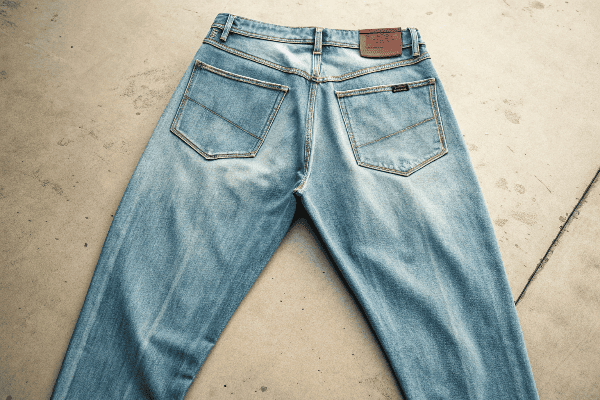
Baggy jeans have become one of the most talked-about trends in recent years. They are everywhere, from streetwear brands to luxury runways. They feel comfortable and relaxed. But as much as people love them, I often hear complaints from clients, customers, and even friends about the challenges of wearing baggy jeans. Like every style, they come with downsides that are easy to miss when you first buy them.
The disadvantages of baggy jeans include bulkiness, less definition of body shape, difficulty in pairing with some shoes, more fabric that can catch dirt, and limited occasions where they look appropriate. These issues make them less versatile than regular or slim jeans.
I remember one of my clients in London ordered 3,000 baggy jeans for their new line. After the first season, they told me many customers liked the style but complained that they could not wear them to work or formal events. That showed me baggy jeans are not for everyone.
Table of Contents
- Why do baggy jeans feel heavy and bulky?
- Do baggy jeans hide body shape?
- Are baggy jeans harder to style with shoes?
- Can baggy jeans get dirty more easily?
- Are baggy jeans less versatile for different occasions?
- Do baggy jeans make people look shorter?
- Are baggy jeans more expensive to produce?
- Conclusion
Why do baggy jeans feel heavy and bulky?
Baggy jeans use more fabric than slim or regular jeans. This extra material adds weight.
Baggy jeans feel heavy because of the extra fabric. This makes them less ideal for people who want light, easy-to-move clothing.
Why fabric weight matters
In my factory, we measure denim weight using GSM. A typical pair of slim jeans may use 10–15% less fabric than a baggy one. That extra fabric creates:
- Extra weight when walking long distances
- A loose fit that moves around the legs
- Heat retention in warmer weather
Real experience
Once I wore baggy jeans on a summer day in Guangzhou. After two hours outside, I felt the weight and heat much more than when I wear slim jeans. That day I promised myself to choose lighter fabrics for summer orders.
| Fit Type | Average Fabric Use | Bulk |
|---|---|---|
| Skinny | Low | Tight |
| Regular | Medium | Balanced |
| Baggy | High | Bulky |
For a detailed explanation of denim fabric weights, see Textile School’s guide on denim.
Do baggy jeans hide body shape?
Yes, and this can be a problem for people who like their outfits to show their figure.
Baggy jeans make the legs look wider and less defined. They can shorten the appearance of the body and hide natural proportions.
Style effect
- Slim jeans: Show the natural shape of legs
- Baggy jeans: Add volume and make the body look less sharp
For some people, this is a choice—they want a loose silhouette. For others, it makes them look heavier than they are.
I have seen this problem during photo shoots. Even tall models sometimes look shorter in very loose jeans if the top and shoes are not balanced.
Are baggy jeans harder to style with shoes?
This is one of the most common complaints from customers.
Baggy jeans are harder to style because they do not match well with every type of shoe. Wide hems can cover small shoes and drag on the ground.
Shoe pairing issues
- Small sneakers can look “swallowed” by the wide fabric.
- Slim dress shoes clash with the casual wide look.
- Long hems can drag on the floor if not tailored.
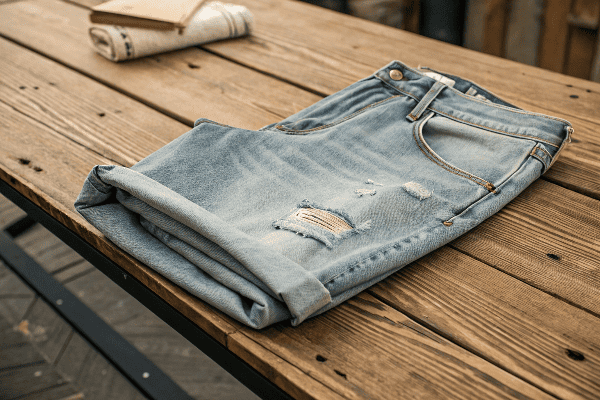
I have seen many customers complain that their jeans ruin their sneakers by rubbing against them. This happens when the hem is too long.
Best shoes for baggy jeans
- Chunky sneakers
- Boots
- Wide skate shoes
For more styling advice, check GQ’s guide to wearing baggy jeans.
Can baggy jeans get dirty more easily?
Yes. Extra fabric means more surface to touch the ground and pick up dirt.
Baggy jeans catch dirt faster because the wide legs sometimes drag, especially if they are too long.
Practical issues
- Rainy days: The bottom of baggy jeans absorbs water.
- Dusty streets: Wide hems collect dust.
- Travel: They take up more space in luggage.
This is one of the reasons why buyers often ask me to make cropped baggy jeans for rainy places.
Are baggy jeans less versatile for different occasions?
Absolutely. Baggy jeans work for casual settings, but they are not suited for all situations.
Baggy jeans are less versatile because they do not fit formal or semi-formal dress codes. They work best for casual wear.
Limited use
- Great for: Streetwear, casual outings, concerts, skateboarding
- Not ideal for: Offices, business meetings, formal dinners
Do baggy jeans make people look shorter?
Sometimes they do, especially if the styling is not balanced.
Baggy jeans can make legs look shorter because the extra width hides natural lines.
Proportion problems
For someone with a short height:
- Wide jeans with no shape can make the body look square.
- Very long baggy jeans can cover the ankles, making legs look even shorter.
Are baggy jeans more expensive to produce?
Yes, even though the cost difference is small, it exists.
Baggy jeans need more fabric and sometimes stronger sewing. This increases the production cost slightly.
Factory point of view
- More fabric = higher material cost
- Longer hems = more sewing time
- Bulk shipping = more space
I see this in bulk orders. When a client switches from slim to baggy, we use around 15% more fabric. Over thousands of pieces, this adds up.
Conclusion
Baggy jeans are stylish and comfortable, but they come with clear disadvantages. They feel heavy, hide body shape, are harder to style with shoes, collect more dirt, and work for fewer occasions. Choosing them means balancing style and practicality.
- Textile School – Denim: Fabric Types and Weights
- GQ – How to Style Baggy Jeans