
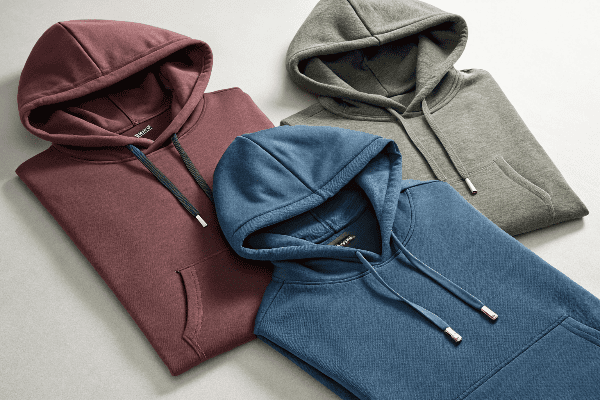
When I started designing custom hoodies, one of the first things I realized was that the fabric choice makes all the difference. The fabric affects everything—comfort, durability, look, and even the printing method. Whether you’re designing for a sports team, a fashion line, or simply creating your own unique hoodie, choosing the right fabric is crucial.
There are several fabric options available for custom hoodies, including cotton, polyester, fleece, and cotton-poly blends. Each fabric type offers different benefits depending on the intended use, climate, and style preferences.
I remember the first time I worked with a fleece-lined hoodie. The softness and warmth felt incredible, and the fabric was perfect for custom printing. Let’s dive into the different fabric options for custom hoodies and what makes each one unique.
Table of Contents
- Cotton: The Classic Fabric for Hoodies
- Polyester: Durable and Functional
- Fleece: Warmth and Softness
- Cotton-Polyester Blends: The Best of Both Worlds
- French Terry: A Lightweight Option
- Organic Fabrics: Eco-Friendly and Comfortable
- Bamboo Fabric: Sustainable and Breathable
- Hemp Fabric: Strong and Natural
- Conclusion
Cotton: The Classic Fabric for Hoodies
Cotton is a timeless fabric known for its softness, breathability, and comfort. It’s one of the most popular choices for custom hoodies.
Cotton hoodies are soft, breathable, and comfortable, making them perfect for casual wear. While they may not offer the same level of warmth as some other fabrics, they’re perfect for layering.
Key features of cotton hoodies
- Softness
Cotton is gentle on the skin, making it ideal for comfortable, all-day wear. - Breathability
Cotton allows air to pass through, keeping you cool in warm weather. - Durability
Cotton can withstand regular washing, but may shrink over time.
For more on cotton fabrics, check out Vogue’s fabric selection guide[^1].
Polyester: Durable and Functional
Polyester is a synthetic fabric known for its durability and moisture-wicking properties. It is commonly used for athletic and performance wear.
Polyester is highly durable, resistant to shrinking and stretching, and dries quickly, making it a great choice for custom hoodies meant for active wear.
Key features of polyester hoodies
- Durability
Polyester is strong and resistant to wear and tear, making it great for long-lasting hoodies. - Quick-drying
Polyester dries faster than cotton, making it ideal for performance wear. - Moisture-wicking
This fabric helps wick away sweat, keeping you dry during physical activity.
For more on polyester fabrics, check Textile School’s fabric guide[^2].
Fleece: Warmth and Softness
Fleece is a fabric that’s widely used for sweatshirts and hoodies because of its warmth and comfort.
Fleece-lined hoodies provide an extra layer of warmth, making them perfect for colder weather. The fabric is soft, insulating, and cozy.
Key features of fleece hoodies
- Soft and cozy
Fleece is known for its softness, giving the hoodie a plush, warm feel. - Warmth
Fleece is ideal for providing warmth in chilly weather, making it a top choice for winter. - Lightweight
Despite its warmth, fleece is relatively lightweight, ensuring comfort without bulk.
For fleece fabric options, see REI’s guide to fleece jackets and hoodies[^3].
Cotton-Polyester Blends: The Best of Both Worlds
Cotton-polyester blends combine the comfort of cotton with the durability and performance of polyester. This fabric type is widely used in casual and athletic wear.
Cotton-polyester blends offer a balance of comfort, durability, and functionality, making them ideal for custom hoodies that need to withstand wear and tear while remaining comfortable.
Key features of cotton-polyester blends
- Comfort and durability
The blend of cotton’s softness and polyester’s durability makes these hoodies long-lasting and cozy. - Wrinkle resistance
The polyester content helps the hoodie resist wrinkles, keeping it looking fresh. - Breathability and moisture-wicking
These fabrics combine cotton’s breathability with polyester’s moisture-wicking properties.
For fabric selection tips, check Dec Garment’s hoodie fabric guide[^4].
French Terry: A Lightweight Option
French terry is a unique fabric often used for lightweight hoodies. It has a soft looped texture on the inside, providing comfort without too much weight.
French terry fabric is perfect for light sweatshirts or hoodies that are comfortable but not too warm, making them great for transitional weather.
Key features of French terry hoodies
- Lightweight
French terry is perfect for warmer weather or for layering under jackets. - Soft texture
The looped texture on the inside provides a comfortable feel against the skin. - Moisture-wicking
French terry has moisture-wicking properties, making it great for light physical activities.
For more on French terry fabrics, visit Fabric.com’s French Terry options[^5].
Organic Fabrics: Eco-Friendly and Comfortable
Organic fabrics are made from natural fibers grown without pesticides or synthetic fertilizers. These fabrics are a great choice for customers who prioritize sustainability.
Organic cotton and other eco-friendly fabrics offer the same comfort as regular cotton but with the added benefit of being environmentally responsible.
Key features of organic fabric hoodies
- Eco-friendly
Organic fabrics are grown in a way that is kinder to the environment, reducing exposure to harmful chemicals. - Soft and breathable
Just like regular cotton, organic fabrics are soft, breathable, and comfortable. - Sustainable
Choosing organic fabrics supports eco-friendly farming practices.
For more on organic fabrics, see Organic Cotton Plus[^6].
Bamboo Fabric: Sustainable and Breathable
Bamboo fabric is a soft, breathable, and sustainable option that is becoming more popular for custom hoodies. It is made from bamboo pulp and is naturally antibacterial.
Bamboo fabric is smooth, moisture-wicking, and ideal for customers looking for a soft, eco-friendly hoodie option.
Key features of bamboo fabric hoodies
- Sustainable
Bamboo grows quickly and doesn’t require pesticides, making it a great eco-friendly choice. - Breathable and moisture-wicking
Bamboo fabric is naturally breathable and excellent at wicking away moisture. - Soft and silky feel
Bamboo fabric feels soft and smooth against the skin.
For more on bamboo fabric, see Bamboo Clothing’s guide[^7].
Hemp Fabric: Strong and Natural
Hemp fabric is one of the oldest natural fibers used for textiles. It is strong, durable, and eco-friendly, making it an excellent option for custom hoodies.
Hemp fabric is durable and naturally breathable, offering a unique look and feel compared to traditional fabrics.
Key features of hemp fabric hoodies
- Durability
Hemp is incredibly strong, making it long-lasting and resistant to wear and tear. - Breathability
The natural fiber allows air to pass through, making it a good choice for warm-weather hoodies. - Eco-friendly
Hemp is a sustainable fabric that requires fewer chemicals to grow compared to cotton.
For more on hemp fabric, see Hemp Foundation’s sustainability guide[^8].
Conclusion
When designing custom hoodies, the fabric you choose will affect everything from comfort to style. Whether you go for cotton, polyester, fleece, or eco-friendly options like hemp or bamboo, each fabric offers something unique. Understanding the benefits of each will help you make the best choice for your custom hoodie needs.
[^1]: Vogue – Fabric Selection Guide
[^2]: Textile School – Polyester Fabric Guide
[^3]: REI – Fleece Jackets and Hoodies
[^4]: Dec Garment – Fabric Selection for Hoodies
[^5]: Fabric.com – French Terry Options
[^6]: Organic Cotton Plus – Organic Fabric Choices
[^7]: Bamboo Clothing – Bamboo Fabric Benefits
[^8]: Hemp Foundation – Hemp Fabric Sustainability