
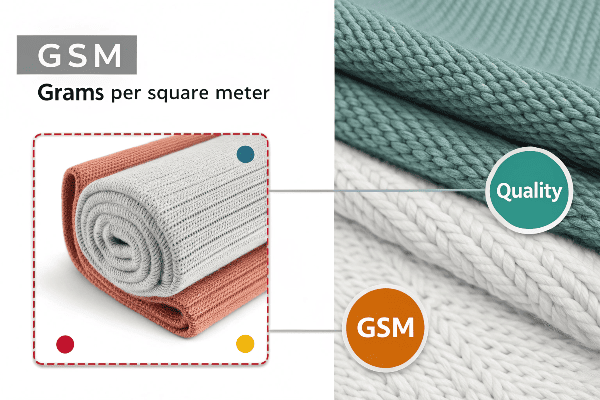
When I started working with knitted fabrics, one of the first things I learned was how the GSM (grams per square meter) affects the fabric’s quality. The right GSM ensures that the fabric is durable, breathable, and comfortable, but choosing the wrong GSM can lead to fabric that is either too heavy or too light for its intended purpose.
The perfect GSM for knitted fabric depends on the intended use. For good quality, a GSM between 160 to 240 is ideal for most knitwear, such as T-shirts, sweatshirts, and casual wear. Lighter fabrics with lower GSM (160-180) are perfect for summer wear, while heavier fabrics (200-240) offer warmth and durability for colder months.
I still remember the first time I worked with a lightweight T-shirt fabric, and the difference in feel and comfort was remarkable. Let’s dive deeper into how GSM affects fabric quality and how to choose the best GSM for your needs.
Table of Contents
- What is GSM in fabric and why does it matter?
- What GSM is best for T-shirts and casual wear?
- What is the ideal GSM for sweatshirts and hoodies?
- How does GSM affect fabric durability and feel?
- What are the pros and cons of low GSM vs high GSM?
- Conclusion
What is GSM in fabric and why does it matter?
GSM stands for grams per square meter, and it is a key factor in determining the weight, texture, and strength of a fabric. The GSM tells you how dense the fabric is. The higher the GSM, the heavier and thicker the fabric, while lower GSM fabrics tend to be lighter and more breathable.
GSM affects how a fabric feels and performs. For example, a fabric with a high GSM is thicker and more durable, making it better for colder weather, while lower GSM fabrics are better for warm-weather clothing due to their lightweight and breathable nature.
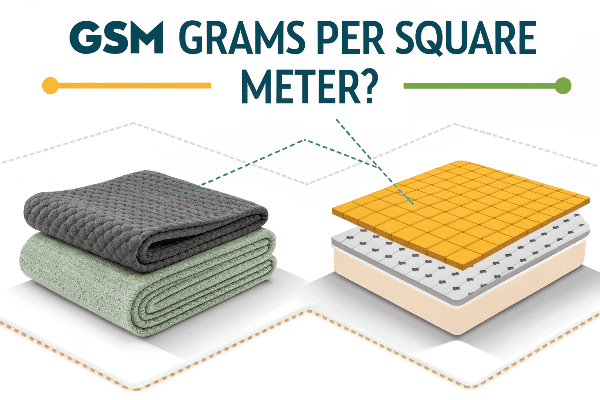
The importance of GSM in fabric selection
- Lightweight fabrics
These are ideal for warm weather because they are breathable and comfortable. - Heavyweight fabrics
These are perfect for outerwear or when warmth is needed during cooler seasons. - Quality balance
A medium GSM fabric strikes a balance between durability and comfort, making it versatile for various types of clothing.
GSM ranges for different types of fabric
| Fabric Type | Ideal GSM Range |
|---|---|
| T-Shirts (light) | 160-180 GSM |
| T-Shirts (heavy) | 180-220 GSM |
| Sweatshirts & Hoodies | 200-240 GSM |
| Winter Knits | 250+ GSM |
For more on fabric quality, you can read this detailed guide on GSM and fabric choices[^1].
What GSM is best for T-shirts and casual wear?
When choosing fabric for T-shirts, comfort is key. Too light, and the fabric may feel too thin; too heavy, and it can feel stiff.
For T-shirts, a GSM between 160 and 200 is ideal. Lighter fabrics are great for warm weather, while medium-weight fabrics offer a more premium feel and are suitable for year-round wear.
Choosing GSM for T-shirts
- 160-180 GSM
This range is perfect for lightweight summer T-shirts. They are breathable and soft, making them perfect for casual wear. - 180-200 GSM
A medium GSM fabric provides a more durable and structured feel, making it ideal for those who prefer a slightly heavier T-shirt.
Explore more about fabric types for T-shirts on Rei’s T-shirt fabric guide[^2].
What is the ideal GSM for sweatshirts and hoodies?
Sweatshirts and hoodies are typically made from heavier fabrics, as they need to provide warmth and comfort. I remember trying on different weight fabrics for hoodies and realizing how the GSM affects the softness and thickness of the garment.
The ideal GSM for sweatshirts and hoodies is between 200 and 240. Heavier fabrics in this range provide insulation and softness, making them perfect for colder weather.
Heavyweight fabric for warmth
- 200-220 GSM
This GSM range is perfect for sweatshirts that provide a good balance between warmth and breathability. - 220-240 GSM
Fabric in this range is thick and durable, providing maximum warmth, which is great for hoodies and outerwear.
For more about hoodie fabric choices, check out Nike’s hoodie fabric guide[^3].
Fabric comparison
| Fabric Type | Ideal GSM Range | Use Case |
|---|---|---|
| Lightweight T-shirts | 160-180 GSM | Summer wear, casual shirts |
| Medium-weight T-shirts | 180-200 GSM | Year-round wear, premium feel |
| Sweatshirts & Hoodies | 200-240 GSM | Winter wear, cozy comfort |
How does GSM affect fabric durability and feel?
The GSM not only affects the weight of the fabric but also its durability and overall feel. A higher GSM fabric is generally more durable, but this can come at the cost of flexibility.
High GSM fabrics tend to last longer and provide a more luxurious feel. However, they may be too stiff for some applications. On the other hand, lower GSM fabrics offer more flexibility but may wear out faster.
Durability vs. Flexibility
- High GSM
These fabrics are great for durable, long-lasting garments that can withstand frequent washing. - Low GSM
These fabrics are more flexible and comfortable but may show signs of wear and tear more quickly.
Learn more about fabric longevity at Dec Garment – Custom Apparel Manufacturer[^4].
What are the pros and cons of low GSM vs high GSM?
Low GSM fabrics are lighter, which makes them breathable and comfortable for hot weather. However, they tend to wear out faster and may feel flimsy for some types of clothing.
High GSM fabrics, while thicker and more durable, may be too heavy or stiff for certain applications, especially in warmer climates.
Pros and cons
| GSM Range | Pros | Cons |
|---|---|---|
| Low GSM | Light, breathable, comfortable | Less durable, may feel flimsy |
| High GSM | Durable, premium feel, warmth | Can be too heavy, less breathable |
Conclusion
The perfect GSM for knitted fabric largely depends on what you need the fabric for. T-shirts generally do well between 160 and 200 GSM, while sweatshirts and hoodies need a higher GSM to provide warmth and durability. The right GSM ensures a balance between comfort, durability, and style.
[^1]: Fabric.com – GSM and Fabric Choices Guide
[^2]: REI – T-shirt Fabric Selection Guide
[^3]: Nike – Hoodie Fabric Guide
[^4]: Dec Garment – Custom Apparel Manufacturer