
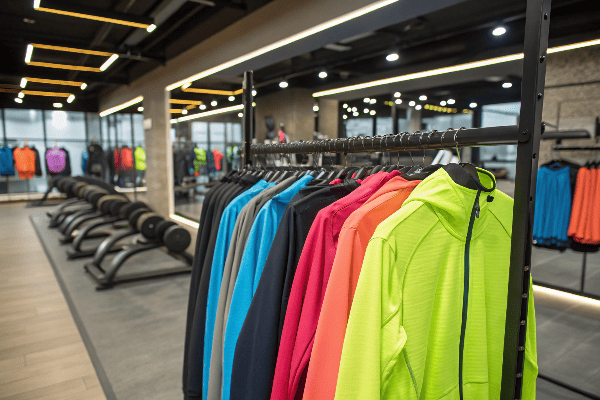
When I first started producing gym clothes, I noticed that some polyester gym clothes, especially the thin ones, could be much more expensive than others. Many customers asked me: “Why are thin polyester gym clothes so expensive?” After years of manufacturing, I realized that there are several factors that contribute to the higher cost of these garments.
Thin polyester gym clothes are expensive due to the advanced manufacturing process, quality of the fabric, performance features, and design details. These clothes are engineered to provide moisture-wicking, breathability, and durability, making them more costly than basic gym wear.
I remember the first batch of thin polyester gym clothes we made for a fitness brand. The fabric felt light and comfortable, but the cost per shirt was higher than expected. After investigating, I discovered it was all due to the quality and performance features of the material.
Table of Contents
- Why does thin polyester fabric cost more?
- How does performance technology increase the cost?
- Why is the manufacturing process so expensive?
- How does the fabric's durability impact the price?
- How does brand influence the price of thin polyester gym clothes?
- How does the fabric’s stretch and comfort affect the price?
- Why is thinner polyester more expensive than thicker polyester?
- Conclusion
Why does thin polyester fabric cost more?
Thin polyester fabrics are designed with performance in mind.
Polyester fabrics—especially high-quality thin versions—are engineered for moisture-wicking, breathability, and flexibility. These advanced manufacturing processes contribute to the higher cost.
- Moisture-wicking properties: Keeps sweat away from the body
- Breathability: Allows air to circulate, keeping you cool
- Durability: Resistant to wear and tear, even when thin
I remember feeling the difference between basic polyester and performance polyester—it’s like the fabric is designed to enhance your workout experience.
How does performance technology increase the cost?
Performance features often come at a premium price.
Thin polyester gym clothes are usually designed with advanced features such as UV protection, anti-odor treatment, and enhanced flexibility. These features add to the production cost.
- UV protection: Protects from sun damage
- Anti-odor treatment: Reduces smell during exercise
- Four-way stretch: Offers maximum movement
I’ve seen many brands incorporate these features, and each addition increases the cost of the fabric and garment.
Why is the manufacturing process so expensive?
The production process for thin polyester gym clothes is more complex.
Thin polyester fabrics often require high-tech weaving and finishing techniques to ensure the fabric is lightweight, breathable, and flexible. The weaving, dyeing, and finishing processes require precision, increasing costs.
- Weaving techniques: Used for breathability and stretch
- Dyeing and printing: High-quality dyes that last without fading
- Finishing treatments: Adding moisture-wicking and anti-microbial properties
For each order, the manufacturing process is more labor-intensive, especially for thinner, performance fabrics.
How does the fabric's durability impact the price?
Durability is a major factor in the cost.
Thin polyester fabrics are often designed to be long-lasting, which increases their cost. High-quality polyester fabrics are resistant to fading, shrinking, and pilling, making them ideal for frequent washing and intense workouts.
- Resistant to fading: Stays vibrant after repeated washes
- Stretch retention: Maintains shape and elasticity over time
- Non-pilling: Doesn’t develop fabric balls, even after long use
I often tell my clients that while the initial cost of performance polyester is higher, the durability ensures better value over time.
How does brand influence the price of thin polyester gym clothes?
The brand's reputation also plays a big role.
Well-known activewear brands with a reputation for quality and performance often charge a premium for their thin polyester gym wear. These brands invest heavily in research, development, and high-quality manufacturing, all of which contribute to a higher price point.
- Reputation: Premium pricing due to brand name
- Research and innovation: Higher costs for developing superior fabrics
- Marketing: Advertising and positioning in the premium category
I’ve worked with brands that charge significantly more for their polyester gym clothes just because of their strong market presence.
How does the fabric’s stretch and comfort affect the price?
Stretch and comfort are key selling points for polyester gym clothes.
Thin polyester fabrics with added spandex or elastane offer flexibility and comfort, which increases their cost. Fabrics with higher stretch provide a better fit and improve movement during workouts.
- Added spandex/elastane: Increases flexibility and fit
- Comfortable feel: Soft against the skin, reducing irritation
- Improved performance: Facilitates high-intensity workouts
For a high-performance polyester gym T-shirt, a small amount of spandex is added to improve the overall fit and comfort, which increases the cost.
Why is thinner polyester more expensive than thicker polyester?
Thin polyester fabrics are more advanced in construction.
Thinner polyester fabrics are engineered to be lightweight and breathable without compromising strength. This requires advanced techniques and materials that cost more than thicker polyester fabrics.
- Lightweight design: Provides comfort without sacrificing strength
- Breathability: Allows moisture to evaporate quickly
- Advanced construction: Requires precision manufacturing
The thinner the fabric, the more care needs to go into the manufacturing process, which is why it’s more expensive than regular polyester.
Conclusion
Thin polyester gym clothes are expensive because of the advanced materials, performance features, and manufacturing processes involved. The fabric is engineered for comfort, durability, breathability, and flexibility, making it a premium choice for high-performance activewear.