Yoga clothing has become much more than just gear for a workout. Over the past few years, it has transformed into a major part of athleisure fashion and is now worn not only for yoga but also as a stylish, comfortable option for casual wear. Many of my clients in the fashion and apparel industries have asked me, “How big is the yoga clothing market?” The growth of this market is impressive, and understanding its current and future trends is essential for anyone interested in entering this space.
As of 2024, the global yoga clothing market is valued at approximately USD 29.69 billion and is projected to grow to USD 55.65 billion by 2032. This growth is driven by increasing awareness of fitness, growing numbers of yoga practitioners, and the rising popularity of athleisure.
When I think back to my first experiences sourcing for activewear, I remember how the market seemed so focused on high-end gym gear. But over time, as more people embraced wellness and self-care, yoga clothing started to appeal to a much wider audience. Now, it's a booming industry, and the figures reflect this shift.
Table of Contents
- What Is Driving Growth in the Yoga Clothing Market?
- What Are the Market Figures for Yoga Clothing?
- What Types of Products Are Included in the Yoga Clothing Market?
- Who Are the Key Consumers of Yoga Clothing?
- How Does E-Commerce Impact the Yoga Clothing Market?
- What Are the Future Trends in the Yoga Clothing Market?
- Conclusion
What Is Driving Growth in the Yoga Clothing Market?
The growth of the yoga clothing market is largely due to changes in consumer behavior and trends in fitness culture.
Key drivers include the rise of fitness awareness, the growing popularity of yoga, and the rise of athleisure as a mainstream fashion trend. The COVID-19 pandemic also played a role in accelerating interest in home workouts, which, in turn, increased the demand for comfortable, flexible clothing like yoga pants and tops.
- Yoga’s global reach: The increasing popularity of yoga across the globe has boosted the demand for yoga-specific apparel.
- Health-conscious living: More people are embracing healthier lifestyles, which fuels demand for activewear.
- Athleisure: Clothing that is functional for exercise but stylish enough to wear casually is on the rise. Yoga clothing fits this trend perfectly.
When I first noticed yoga apparel becoming more integrated into everyday fashion, I thought it would be a passing trend. But now, it's clear that it's here to stay.
What Are the Market Figures for Yoga Clothing?
As of 2024, the global yoga clothing market is valued at USD 29.69 billion and is expected to reach USD 55.65 billion by 2032, with a CAGR of 8.26% from 2025 to 2032. This strong growth reflects the global demand for yoga-related apparel and activewear.
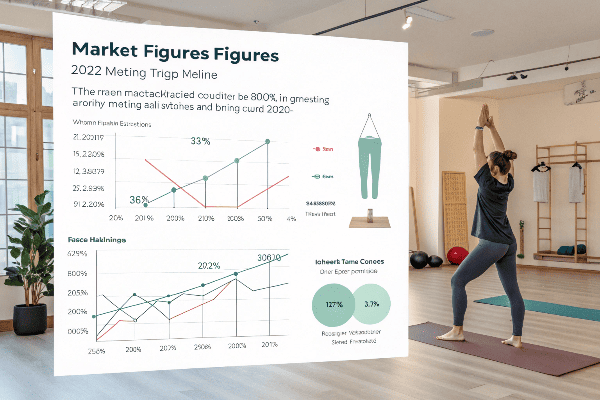
- North America holds a significant portion of the market, with a share of around 33.14% in 2024.
- Asia Pacific is projected to grow the fastest during the forecast period, driven by countries like India and China, where yoga is part of the culture, and more people are embracing the fitness lifestyle.
For example, when I visited the U.S. last year, I saw so many yoga clothing brands in major retail stores. It’s no longer just a niche—it’s a dominant category in fitness and casual fashion.
What Types of Products Are Included in the Yoga Clothing Market?
Yoga clothing encompasses a wide range of apparel designed to support yoga practice, comfort, and style.
Popular products in the market include leggings, yoga pants, sports bras, tank tops, and specialized gear such as yoga mats and accessories. In addition to functional apparel, there has also been an increased focus on the aesthetic and fashion aspects of yoga wear.
- Bottom Wear: Leggings, yoga pants, capris, and shorts.
- Top Wear: Sports bras, tank tops, long-sleeve tops, and sweatshirts.
- Accessories: Yoga mats, blocks, straps, and bags.
- Outerwear: Jackets and zip-up hoodies designed for layering over workout wear.
As I’ve seen firsthand, customers now want yoga clothes that not only perform well during practice but also look good outside the gym. The rise of athleisure has created a demand for stylish yoga apparel that can be worn as part of a casual outfit.
Who Are the Key Consumers of Yoga Clothing?
Yoga clothing appeals to a wide demographic. While traditionally associated with women, there is a growing market for men's yoga apparel as well.
Women’s yoga clothing continues to dominate the market, accounting for more than 50% of the total market share. However, men's and children's yoga apparel are also showing significant growth, with a rising number of men adopting yoga and other fitness practices.
- Women: The largest consumer group, driven by interest in fitness, wellness, and athleisure trends.
- Men: Increasing participation in yoga and mindfulness practices.
- Kids: Yoga clothing for children is becoming popular, particularly in the form of comfortable leggings and tops.
I’ve noticed that brands are increasingly offering men’s and kids' yoga wear. The growing focus on wellness for all ages and genders is expanding the market beyond its original target.
How Does E-Commerce Impact the Yoga Clothing Market?
The rise of online shopping has significantly influenced the yoga clothing market.
E-commerce sales of yoga clothing have surged, driven by the convenience of online shopping, direct-to-consumer brands, and the ability to showcase products through social media. Online platforms make it easier for consumers to compare products, check reviews, and find their perfect fit.
- Mobile shopping: The rise of smartphones has led to more people buying yoga clothing online.
- Social media: Platforms like Instagram and TikTok are key for marketing yoga brands.
- Subscription models: Some yoga brands are moving toward subscription-based clothing services for ongoing delivery of new apparel.
I’ve seen that many yoga brands use Instagram to market their new collections. It's become a platform not just for showing off products but for creating communities of like-minded fitness enthusiasts.
What Are the Future Trends in the Yoga Clothing Market?
The yoga clothing market is constantly evolving, with several trends shaping the future.
Key trends include sustainability, innovative fabric technology, and the integration of yoga clothing into mainstream fashion.
- Sustainability: More brands are focusing on eco-friendly fabrics like organic cotton, recycled polyester, and biodegradable materials.
- Performance fabrics: Advances in moisture-wicking, anti-odor, and temperature-regulating fabrics will continue to improve comfort.
- Inclusivity: Brands are expanding size ranges and offering clothing for all body types, which is a growing trend in the activewear industry.
I’ve noticed brands that focus on sustainability are receiving positive attention from consumers who want eco-friendly options. These innovations are shaping the future of the yoga apparel market.
Conclusion
The yoga clothing market continues to experience strong growth, driven by increasing participation in yoga, rising interest in wellness, and the demand for stylish athleisure. With a market size of USD 29.69 billion in 2024, and expected to grow to USD 55.65 billion by 2032, it offers ample opportunities for brands and entrepreneurs. As trends evolve, sustainability and innovation will continue to shape the market’s future.
[^1]: Statista – Yoga Clothing Market Value
[^2]: GlobalData – Yoga Clothing Market Insights