
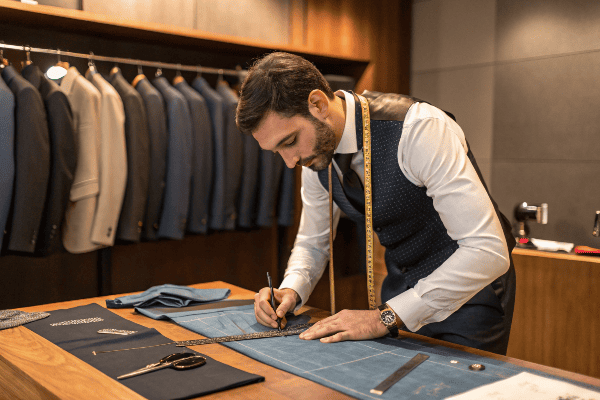
Every time someone asks me about making clothes, there is always confusion. People use “custom” and “bespoke” as if they mean the same thing. I have heard this many times in my factory and from clients. These two words sound similar, but in fashion they are not the same. So what is the difference between custom and bespoke clothing?
Custom clothing allows you to choose from existing patterns and adjust them to your size, fabric, and details. Bespoke clothing is made from scratch for you. It starts with a personal pattern built around your body and your preferences.
I remember one client from London. He thought custom and bespoke meant the same. After we made his first bespoke jacket, he told me he finally understood the difference. It was like night and day.
Table of Contents
- What does custom clothing mean?
- What does bespoke clothing mean?
- How do custom and bespoke differ in quality?
- Which one should you choose?
- Does bespoke always take longer?
- Can factories make both custom and bespoke?
- Conclusion
What does custom clothing mean?
When I talk about custom clothing, I think of something halfway between standard and personal.
Custom clothing means a garment made from a standard base pattern with options to change fabric, size, color, and some details. It gives some personal touch but still starts from a ready template.
- Fit: Adjustments to chest, waist, sleeve length, or overall size.
- Fabric choice: You can pick materials from a catalog.
- Design changes: Add a logo, change the collar, or select buttons.
- Production: Factories make it faster because the base pattern is already set.
I often make custom hoodies for brand buyers. They choose their fabric weight, colors, and logo position. The base pattern is ready, so production is smooth.
(For a broader look at garment customization, see FashionBeans on custom tailoring)[^1]
What does bespoke clothing mean?
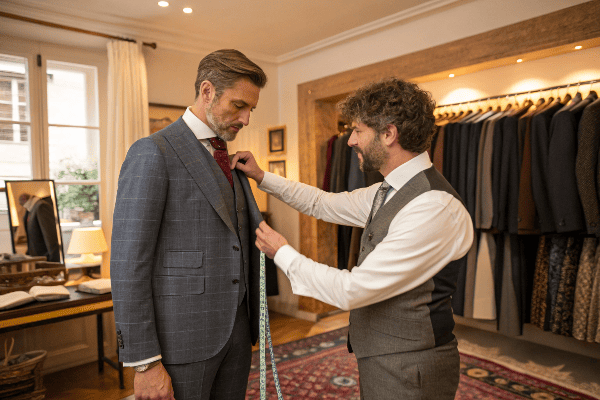
Bespoke clothing is a different experience. It is personal from the start.
Bespoke clothing means a garment designed and built from the ground up for one person. Every detail—from the pattern to the final stitch—is made to match your exact body and style.
- Consultation: A designer or tailor talks about your style and needs.
- Measurements: Detailed body measurements are taken.
- Pattern making: A unique paper pattern is created only for you.
- Fitting sessions: Several fittings adjust the garment until it fits perfectly.
- Final garment: After changes, the piece is finished by skilled hands.
I remember a woman who came to my workshop for a bespoke coat. She came for three fittings. The last one was so perfect that she said it felt like a second skin.
(More on bespoke processes at Savile Row tailors)[^2]
How do custom and bespoke differ in quality?
Many people ask me if bespoke is always better. In most cases, yes, but it depends on what you need.
Bespoke clothing usually has better quality because it involves more hand work, personal measurements, and fitting sessions. Custom clothing is good quality too, but it is made faster with fewer steps.
| Feature | Custom Clothing | Bespoke Clothing |
|---|---|---|
| Base Pattern | Uses an existing pattern | Unique pattern from scratch |
| Fit | Adjusted sizes | Perfect, built around your body |
| Options | Limited to catalog options | Unlimited, fully personal |
| Time | Faster, fewer fittings | Longer, multiple fittings |
| Cost | More affordable | Expensive due to personal work |
Once, a client tried both. He told me, “Custom feels like a good shoe that fits. Bespoke feels like a shoe made for my foot alone.”
Which one should you choose?
I tell my clients to think about their budget, timing, and purpose.
Choose custom clothing if you need good fit with some personal options and a quicker process. Choose bespoke clothing if you want something unique, perfect, and timeless, and you are ready to wait.
- Custom: Good for teams, uniforms, events, or starting a new clothing line.
- Bespoke: Ideal for one-time luxury pieces like suits, coats, wedding dresses.
I have seen new fashion brands start with custom designs first. When they grow bigger, they start offering bespoke for VIP clients.
(See GQ's guide on custom vs bespoke)[^3]
Does bespoke always take longer?
Yes, and there is a reason for that.
Bespoke clothing takes longer because every step is done by hand and needs fittings. A custom garment can take a few weeks. A bespoke garment can take months.
- The tailor tests the fit many times.
- Adjustments are made after each fitting.
- Fine fabrics and details need careful handling.
I worked on a bespoke suit that took almost three months from start to finish. When it was done, the client said it was worth the wait.
Can factories make both custom and bespoke?
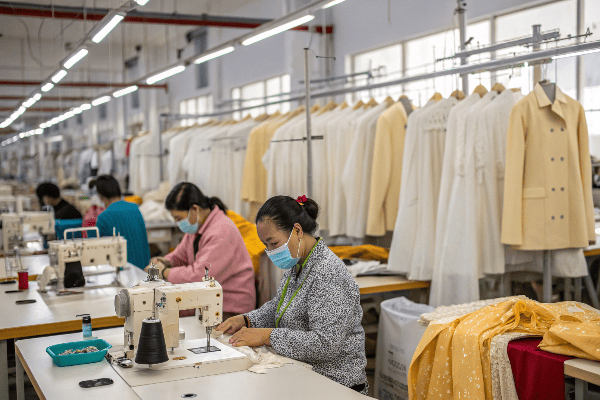
This is a question I often hear from buyers.
Some factories make both, but many factories focus on custom clothing because bespoke requires more skilled work and personal service.
I run a factory that makes custom orders every week. For bespoke, we usually work with smaller quantities or very specific clients because of the time it takes.
- Custom orders use factory lines and patterns.
- Bespoke work is more like an art studio process.
Conclusion
Custom clothing uses standard patterns with personal touches. Bespoke clothing is fully handmade, from the first sketch to the last stitch, for one person. Both have their place, and the choice depends on what you value more: speed or uniqueness.
[^1]: FashionBeans – What does custom tailoring mean?
[^2]: Savile Row – Understanding bespoke tailoring
[^3]: GQ – Custom vs bespoke clothing guide