
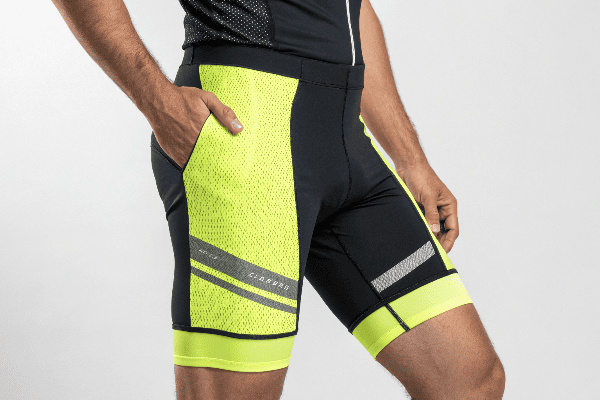
If you’ve ever wondered why some cycling shorts feel amazing while others chafe or sag, the answer often lies in one thing: fabric. So what material makes the best cycling shorts?
The best material for cycling shorts is a high-quality blend of nylon (polyamide) and elastane (spandex), typically in a 4-way stretch knit. Nylon offers durability and moisture-wicking, while elastane ensures compression and flexibility.
I’ve worked with activewear factories sourcing materials for both elite cyclists and casual riders. The difference in ride quality often starts with the fabric blend and how it’s constructed.
Table of Contents
- Why is nylon (polyamide) used in most cycling shorts?
- What does elastane (spandex) add to cycling shorts?
- Are polyester blends good for cycling?
- What fabric weight is ideal?
- Should cycling shorts have multiple fabric zones?
- Conclusion
Why is nylon (polyamide) used in most cycling shorts?
Because it’s tough, lightweight, and dries quickly.
Nylon is stronger and more abrasion-resistant than polyester. It also feels smoother on the skin, making it ideal for high-friction zones like the inner thighs and seat area.
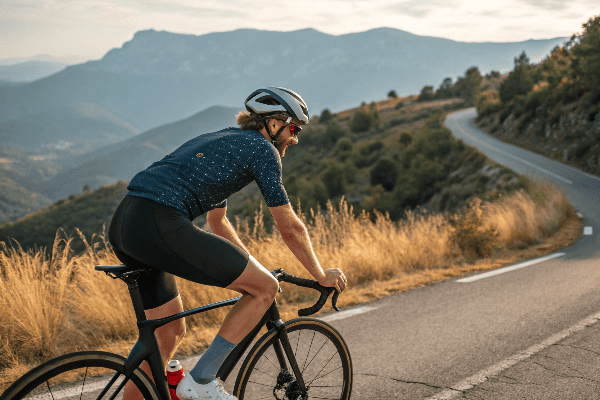
Benefits of nylon in cycling shorts
| Benefit | Why It Matters |
|---|---|
| High durability | Withstands saddle friction and wear |
| Smooth hand feel | Reduces chafing during long rides |
| Fast drying | Wicks sweat and reduces odor buildup |
| Lightweight | Doesn’t weigh you down on climbs |
| Holds dye well | Colors stay vivid after many washes |
Premium shorts often use polyamide 6.6, which is softer and stronger than regular nylon[^1].
Learn more: Nylon 6.6 vs Nylon 6 – DuPont
What does elastane (spandex) add to cycling shorts?
It gives them stretch—and keeps them in place.
Elastane allows cycling shorts to stretch and recover, providing compression that improves muscle support and keeps the chamois (pad) stable during rides.
What elastane does
- Enhances range of motion without restriction
- Prevents sagging or shifting while pedaling
- Keeps leg grippers snug to reduce ride-up
- Enables ergonomic, body-hugging fit
Most cycling shorts contain 10–25% elastane, depending on how much compression is desired[^2].
Reference: Spandex properties and applications – ScienceDirect
Are polyester blends good for cycling?
They work—but not as well as nylon blends.
Polyester is cheaper and more UV-resistant than nylon, but it’s slightly rougher on the skin and less durable in abrasion-prone areas. That’s why entry-level shorts often use polyester blends.
| Material Type | Pros | Cons |
|---|---|---|
| Nylon/elastane | Durable, smooth, breathable | Higher cost |
| Polyester/elastane | Cheaper, more UV-resistant | Less soft, less durable |
For serious or long-distance riders, nylon blends are worth the upgrade[^3].
Related: Cycling Shorts Guide – REI Co-op
What fabric weight is ideal?
It depends on the season and use.
Most high-performance cycling shorts use medium-weight (200–250gsm) fabric with dense knit structure for durability and compression. Summer shorts may use lighter weights or mesh panels for airflow.
| Fabric Weight | Best For |
|---|---|
| 150–180gsm | Hot climates, casual rides |
| 200–250gsm | Road cycling, racing, gym workouts |
| 250–300gsm+ | Compression, support, winter training |
Also check for moisture-wicking, antibacterial coatings, and UV protection, which are added during fabric finishing[^4].
Material science: Technical fabrics in activewear – Textile World
Should cycling shorts have multiple fabric zones?
Yes—if you want better performance.
Premium cycling shorts use paneling with different fabrics in different zones: higher compression on quads, breathable mesh on the back, and reinforced abrasion areas in the seat.
Look for these terms:
- Anatomical panels
- Zoned compression
- Laser-cut leg grippers
- Seamless front panels
The more technical the short, the more fabric innovation you’ll find.
Conclusion
The best material for cycling shorts is a nylon-elastane blend that balances comfort, stretch, durability, and moisture control. While polyester can work for casual use, serious riders should invest in high-grade nylon blends with strategic paneling and 4-way stretch for the best performance on the road.
[^1]: DuPont explains the enhanced durability and dye retention of polyamide 6.6 used in advanced performance fabrics.
[^2]: ScienceDirect details spandex's contribution to stretch and compression in athletic wear.
[^3]: REI provides a breakdown of fabric performance in cycling clothing for different rider levels.
[^4]: Textile World covers how technical finishes like antibacterial coatings are added to cycling fabrics.